LPG Carriers Safely Cross Strait of Hormuz, India Boosts Energy Security Measures

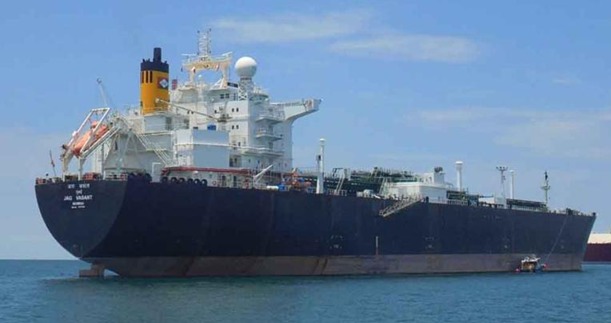
New Delhi, March 2026 : The government on Tuesday confirmed that two Indian-flagged LPG carriers—Pine Gas and Jag Vasant—have safely navigated the strategically critical Strait of Hormuz and are now en route to India, bringing relief amid ongoing tensions in West Asia.
Addressing an inter-ministerial briefing, Rajesh Kumar Sinha, Special Secretary in the Ministry of Ports, Shipping and Waterways, said the vessels are expected to reach Indian ports later this week. The Jag Vasant, carrying 47,600 metric tonnes of LPG, is scheduled to arrive at Kandla Port on March 26, while Pine Gas, with a cargo of 45,000 metric tonnes, will dock at New Mangalore Port on March 27.
Sinha also noted that around 20 Indian-flagged vessels remain positioned to the west of the Strait, awaiting further movement depending on the evolving situation. According to ship-tracking data, both vessels had earlier been stranded in the region due to heightened geopolitical tensions but were recently granted safe passage. A typical transit through the Strait takes approximately 14 hours.
The Strait of Hormuz, a narrow maritime corridor, is one of the world’s most crucial routes for oil and gas shipments, handling nearly a fifth of global fossil fuel flows. However, recent military escalations involving the United States and Israel have significantly disrupted shipping activity in the region, raising concerns over global energy supplies.
The Jag Vasant had loaded LPG from Kuwait, while Pine Gas sourced its cargo from Ruwais in the United Arab Emirates. Earlier this month, two other Indian LPG carriers had also successfully completed similar voyages through the Strait, indicating cautious resumption of maritime movement.
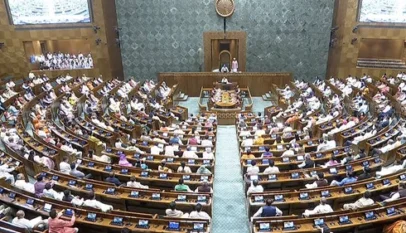
Meanwhile, Narendra Modi reiterated the government’s commitment to safeguarding India from global energy disruptions. Speaking in the Rajya Sabha, he emphasised the importance of maintaining stable supply chains and strengthening domestic capabilities.
Highlighting India’s dependence on foreign shipping, the Prime Minister noted that nearly 90 per cent of the country’s trade is carried on overseas vessels. He stressed that such reliance can pose risks during global conflicts and underlined the need for self-reliance.
“Atmanirbharta is the only solution to shield the nation from global shocks,” he said, adding that the government is working towards building a strong domestic shipping ecosystem.
As part of this vision, India plans to invest around Rs 70,000 crore to develop a fleet of ‘Made in India’ ships, aimed at enhancing maritime security and reducing vulnerability to international crises.





Chandrababu Naidu Reviews Preparations for PM Modi’s August 1 Inauguration of Bhogapuram International Airport
Amaravati, July 2026 : Andhra Pradesh Chief Minister N. Chandrababu Naidu on Monday conduc…

Chandrababu Naidu Reviews Preparations for PM Modi’s August 1 Inauguration of Bhogapuram International Airport
Amaravati, July 2026 : Andhra Pradesh Chief Minister N. Chandrababu Naidu on Monday conducted …