US Army Chief Randy George Removed Amid Pentagon Shake-Up and Middle East Build-Up

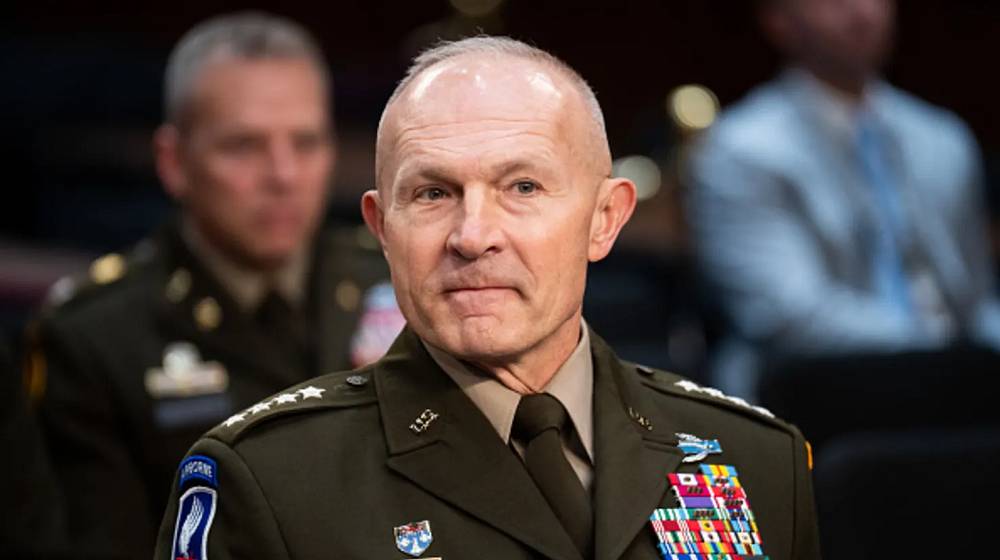
Washington, April 2026 : In a significant and largely unprecedented move, US Defence Secretary Pete Hegseth has removed Randy George from his position as Chief of Staff of the US Army, marking the latest in a series of high-level changes within the Pentagon. The decision, confirmed by defence officials, comes without any official explanation and at a time when the United States is intensifying its military presence in the Middle East.
The Pentagon announced that General Randy George, who still had more than a year remaining in his tenure, would “retire effective immediately” from his role as the 41st Chief of Staff of the Army. While the department expressed gratitude for his decades of service, the sudden nature of his removal has raised questions, particularly as such dismissals during periods of active military operations are extremely rare.
According to multiple defence officials, the shake-up extended beyond George. David Hodne, who headed the Army’s Transformation and Training Command, and William Green were also removed from their posts. These actions signal a broader restructuring effort within the Army’s senior leadership under Hegseth, a former media personality who has been rapidly reshaping the Defence Department since assuming office.
The timing of these decisions is particularly notable. The United States is currently expanding its military footprint in the Middle East amid heightened tensions with Iran. While most direct operations in the region are being carried out by the Navy and Air Force, the Army has deployed personnel for air defence roles. Additionally, thousands of troops from the elite 82nd Airborne Division have begun arriving in the region, indicating preparations for possible ground operations.
Despite the strategic importance of the moment, there had been no visible public friction between Hegseth and George. In fact, George had been a central figure in shaping Army policy since his confirmation in 2023. An experienced infantry officer with combat service in Iraq and Afghanistan, he previously served as vice chief of staff and as a senior military adviser to former Defence Secretary Lloyd Austin.
Sources indicated that General Christopher LaNeve, currently the Army’s vice chief of staff and a former aide to Hegseth, is expected to take over the role in an acting capacity. Notably, senior Army leadership reportedly learned about George’s removal at the same time as the public announcement, underscoring the abruptness of the decision.
George was also known for his close working relationship with Army Secretary Dan Driscoll. Together, they had pushed for reforms aimed at accelerating weapons development and reducing costs by challenging major defence contractors.
The dismissal adds to a broader pattern of upheaval at the Pentagon. Over the past year, several top officials, including former Joint Chiefs Chairman C Q Brown and senior leaders in the Navy and Air Force, have also been replaced. These moves have drawn attention to a sweeping reorganisation of the US military’s leadership structure.
Adding to the intrigue, recent controversial decisions by Hegseth—such as dismissing the Army’s top lawyer and reversing an investigation into Army pilots linked to an incident near musician Kid Rock’s residence—have highlighted his assertive approach to leadership.
While the Pentagon has maintained that these changes are part of broader administrative decisions, the absence of a clear reason for George’s removal continues to fuel speculation. With the US military engaged in sensitive operations abroad, the leadership transition comes at a critical juncture, raising concerns about continuity and strategic direction within the Army.
(The content of this article is sourced from a news agency and has not been edited by the Mavericknews30 team.)




Shivakumar Says Congress United, Assures Women Will Get Cabinet Berth
Bengaluru, Aug 2026 : Karnataka Chief Minister D.K. Shivakumar on Monday sought to dismiss…
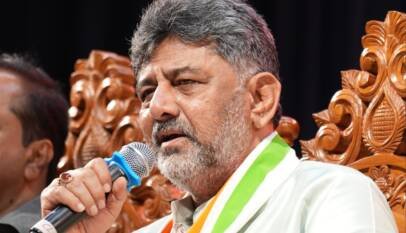
Shivakumar Says Congress United, Assures Women Will Get Cabinet Berth
Bengaluru, Aug 2026 : Karnataka Chief Minister D.K. Shivakumar on Monday sought to dismiss …