Wild Buffalo to Return to Kanha: Historic Translocation from Kaziranga Begins

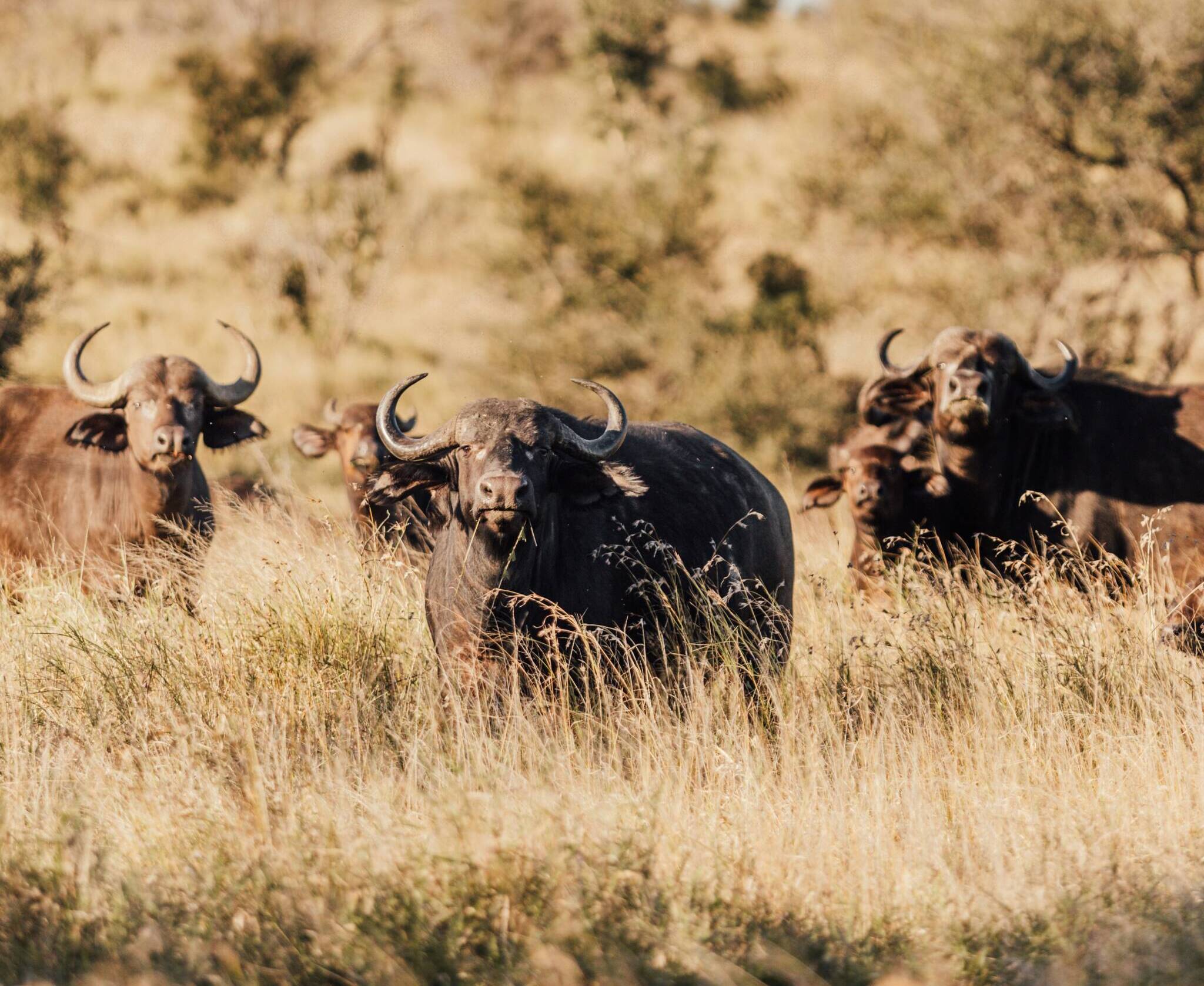
Chief Minister Dr. Mohan Yadav has stated that, following the historic success of the cheetah reintroduction, the return of wild buffalo will add a new dimension to the state’s biodiversity. The long-planned strategy to reintroduce the wild buffalo—locally extinct in Madhya Pradesh for over a century—is now becoming a reality.
Chief Minister Dr. Yadav will inaugurate the wild buffalo reintroduction programme on April 28 at Supkhar and Topla in Balaghat district. During the programme at Supkhar, he will release four wild buffaloes into their new natural habitat, including three females and one male. The district in-charge minister, Shri Uday Pratap Singh, officials, public representatives, and local citizens will also be present on the occasion. This initiative will not only help conserve the species but also strengthen the state’s forest ecosystem.
From Kaziranga to Kanha: A Historic Translocation
Under this ambitious project, wild buffalo are being brought from Kaziranga (Assam) to Kanha Tiger Reserve. In the first phase, a group of four buffalo has already begun its journey. A total of 50 animals are planned to be introduced as a ‘Founder Population’, with eight buffalo scheduled for translocation in this season. The entire process is being carried out scientifically under the supervision of senior officials and experienced veterinarians from both Kaziranga and Kanha.
Expanding MP–Assam Wildlife and Biodiversity Cooperation
This project also marks a new phase of wildlife exchange and cooperation between Madhya Pradesh and Assam. Two pairs of rhinos will be brought from Assam to Madhya Pradesh and housed at Van Vihar National Park in Bhopal. In return, Madhya Pradesh will translocate three tigers and six crocodiles to Assam, as per their requirement. This exchange was agreed upon during a meeting between Chief Minister Dr. Mohan Yadav and Assam Chief Minister Shri Himanta Biswa Sarma in Guwahati.
‘ Now Buffalo Followed by Project Cheetah’: Another Step Towards Enriching Biodiversity
Chief Minister Dr. Mohan Yadav stated that after the successful reintroduction of cheetahs, the return of wild buffalo will further enrich the state’s biodiversity. This initiative is not only about conserving a species but also about strengthening the forest ecosystem. Madhya Pradesh has already established itself as the ‘Tiger State’ and ‘Leopard State’, and the reintroduction of wild buffalo will further reinforce this distinction.
This Reintroduction Matters
The wild buffalo population in Madhya Pradesh became extinct nearly 100 years ago. The last sighting in the Supkhar region of Kanha dates back to around 1979. Excessive hunting, human interference, habitat degradation, and the loss of grasslands were the main reasons for their disappearance. Currently, the species’ natural population is largely confined to Assam, with very limited numbers in Chhattisgarh.
Kanha: The Most Suitable Habitat
A study conducted by the Wildlife Institute of India (Dehradun) identified Kanha Tiger Reserve as the most suitable site for reintroducing wild buffalo. The region offers extensive grasslands, adequate water sources, and minimal human disturbance-ideal conditions for the species.
A Decisive Step Towards Ecological Balance
With the release of wild buffalo at Supkhar, this “wild-to-wild” reintroduction project will enter a new phase. Experts believe it will strengthen Kanha’s grassland ecosystem and restore ecological balance. This initiative led by Chief Minister Dr. Yadav and implemented by the Madhya Pradesh Forest Department, is a landmark conservation effort that is poised to serve as a model for the country in the years ahead.




Netherlands To Host Special Tribunal For Russia’s Crime Of Aggression Against Ukraine.
Amsterdam/Kyiv; July 2026: Ukrainian President Volodymyr Zelensky has announced today (Sat…
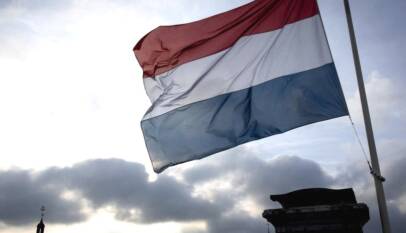
Netherlands To Host Special Tribunal For Russia’s Crime Of Aggression Against Ukraine.
Amsterdam/Kyiv; July 2026: Ukrainian President Volodymyr Zelensky has announced today (Saturday – 04th July …