HAL Set to Increase TEJAS MK-1A Production to 30 Jets Annually as GE Commits Higher Engine Deliveries

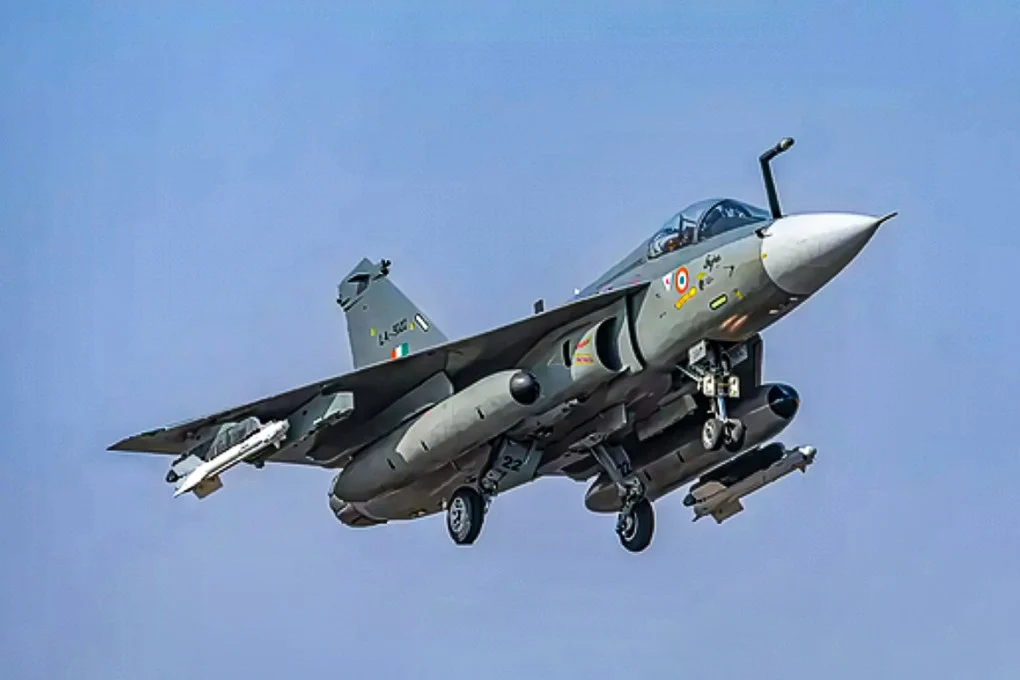
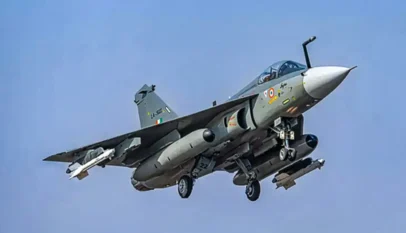
New Delhi, July 2026 : Hindustan Aeronautics Limited (HAL) is preparing to significantly ramp up production of the indigenous TEJAS MK-1A light combat aircraft, with plans to increase annual output to 30 fighter jets. The expansion comes after GE Aerospace assured HAL of a steady supply of 20 to 22 F404 engines every year, a development expected to resolve one of the biggest bottlenecks that had slowed deliveries to the Indian Air Force (IAF).
According to The Week, HAL Chairman and Managing Director Ravi Kota said the company has substantially expanded its manufacturing capabilities by setting up multiple production lines dedicated to the TEJAS programme. Speaking in an interview with Zone Victor Aerospace & Defence, Kota explained that increasing production capacity was a strategic necessity to meet the growing operational requirements of the IAF.
HAL has already operationalised its Nashik production facility, which has become a key component of the company’s manufacturing network. In October, Defence Minister Rajnath Singh inaugurated the third production line for the TEJAS MK-1A and the second production line for the HTT-40 basic trainer aircraft at the Nashik complex, further strengthening India’s indigenous aerospace manufacturing infrastructure.
Kota said the multiple production lines have already enabled HAL to achieve an annual manufacturing capacity of 24 TEJAS aircraft. In addition, another production line has been established in collaboration with private industry partners, where complete aircraft structures are being manufactured before final assembly at HAL facilities. This partnership is expected to play a crucial role in achieving the company’s target of producing 30 aircraft annually.
One of the major challenges faced by HAL over the past few years has been the delayed supply of engines from GE Aerospace. The shortage of F404 engines prevented the company from delivering completed aircraft despite having airframes ready for assembly. According to Kota, GE had encountered supply chain disruptions involving critical components, which affected production schedules.
However, the situation has now improved significantly. GE Aerospace has informed HAL that the component-related issues have been addressed and has committed to delivering between 20 and 22 engines during the current year. This assurance is expected to enable HAL to complete aircraft that have remained grounded due to the absence of powerplants.
HAL currently has more than 20 TEJAS MK-1A airframes ready for final integration. Once the engines are received, the aircraft will undergo installation, testing and certification before being delivered to the Indian Air Force. Faster deliveries are expected to provide a much-needed boost to the IAF, which has been awaiting the induction of new indigenous fighters.
The production increase assumes added significance as the Indian Air Force continues to grapple with a declining squadron strength. The force currently operates around 31 fighter squadrons, considerably below its sanctioned strength of 42 squadrons. The timely induction of TEJAS MK-1A fighters is regarded as critical to addressing this capability gap while replacing ageing aircraft.
Kota acknowledged that indigenous defence programmes often encounter technological and logistical challenges during development and production. However, he said HAL has consistently overcome these hurdles and successfully delivered advanced platforms through sustained innovation and engineering expertise. He described the challenges as opportunities that have ultimately strengthened the company’s capabilities.
The planned production expansion, combined with improved engine availability from GE Aerospace, marks an important milestone for India’s flagship fighter aircraft programme. It is expected to accelerate deliveries to the Indian Air Force, strengthen the country’s combat aviation capabilities and reinforce the government’s vision of achieving greater self-reliance in defence manufacturing under the “Aatmanirbhar Bharat” initiative.
(The content of this article is sourced from a news agency and has not been edited by the Mavericknews30 team.)




Opposition Vows to Intensify NEET Paper Leak Protest, Demands Education Minister’s Resignation and Parliamentary Debate
New Delhi, July 2026 : Opposition parties on Wednesday stepped up pressure on the Centre o…
HAL Set to Increase TEJAS MK-1A Production to 30 Jets Annually as GE Commits Higher Engine Deliveries
New Delhi, July 2026 : Hindustan Aeronautics Limited (HAL) is preparing to significantly ramp …