
Since the last 50 years, CITES engaged in Protecting Wildlife from Trade-Driven Extinction.

The Convention on International Trade in Endangered Species of Wild Fauna and Flora (CITES) marked its 50 years on Tuesday -02nd. July since it was institutionalised. Celebrating five decades of protecting endangered wildlife from overexploitation through international trade; The urgency of CITES’ mission is clear: international wildlife trade is now worth billions of dollars, and unregulated trade – alongside habitat loss and overexploitation – continues to drive vulnerable species towards extinction. Because such trade span borders, international cooperation is critical.
Originally conceived in 1963 at a meeting of the International Union for Conservation of Nature, the Convention entered into force in 1975, as the first global agreement of its kind. It continues to serve as a vital tool to help prevent the rapid decline of species.
“CITES is not a static agreement or self-sustaining”, said Ivonne Higuero, Secretary-General of CITES, marking the anniversary. “It is a living promise to invest in nature – a commitment to the future, to each other and to the millions of species with whom we share this planet”.
With 185 parties – States or regional economic organizations – where the Convention has entered into force, CITES regulates trade for over 40,000 plant and animal, covering live animals, timber and herbal products.
CITES Secretary-General Higuero called on the international community to remain committed to the cause. “Let the next 50 years be marked by deeper unity, sharper focus and bolder action. We must continue aiming high and build a world where wild animals and plants thrive in their natural habitats, where trade supports – not threatens – biodiversity, and where people and planet prosper in harmony”.
CITES has established itself as one of the most effective multilateral environmental agreements by developing consensus-based governance and implementation tools such as the CITES Trade Database – the world’s most comprehensive source of global wildlife trade data – and guidelines for legal acquisition, permitting and enforcement.
Thanks to the Convention, international collaboration has brought critically endangered species from the brink, like African elephants, pangolin and crocodiles.
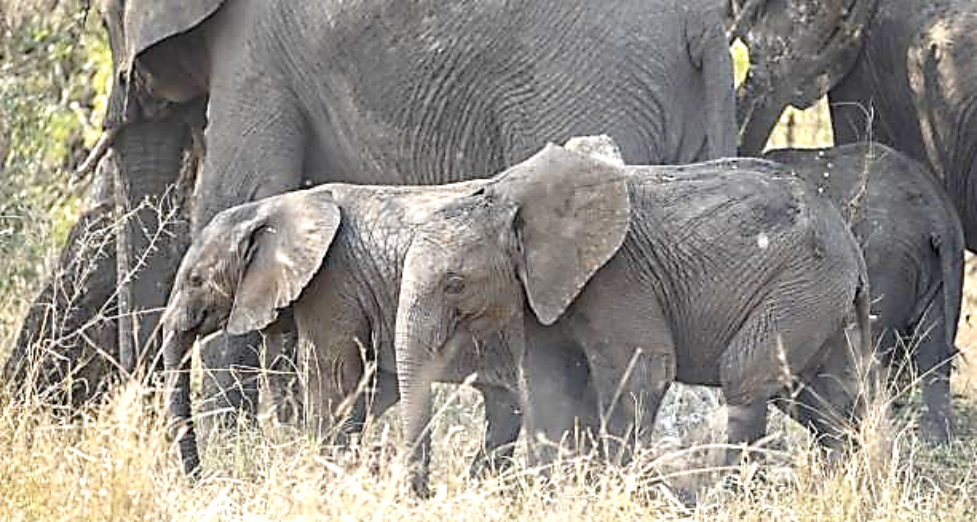
A key initiative, the Monitoring the Illegal Killing of Elephants (MIKE) Programme, operates at over 70 sites across Africa and Asia, covering roughly half of the pachyderm population. MIKE data has contributed to a downward trend in illegal killings, especially in Africa.
Team Maverick








Argentina vs England World Cup Semifinal Declared Highest-Risk Match as Security Tightens in Atlanta
July 16: The FIFA World Cup 2026 has entered its most dramatic stage, but ahead of the blo…

Argentina vs England World Cup Semifinal Declared Highest-Risk Match as Security Tightens in Atlanta
July 16: The FIFA World Cup 2026 has entered its most dramatic stage, but …