KARGIL AIR WAR: IAF’s Strategic Edge in the Summer of 1999

How India’s Air Power Broke Pakistan’s Covert Infiltration and Reasserted Control Over Kargil Heights
Introduction: An Unconventional War on the Roof of the World
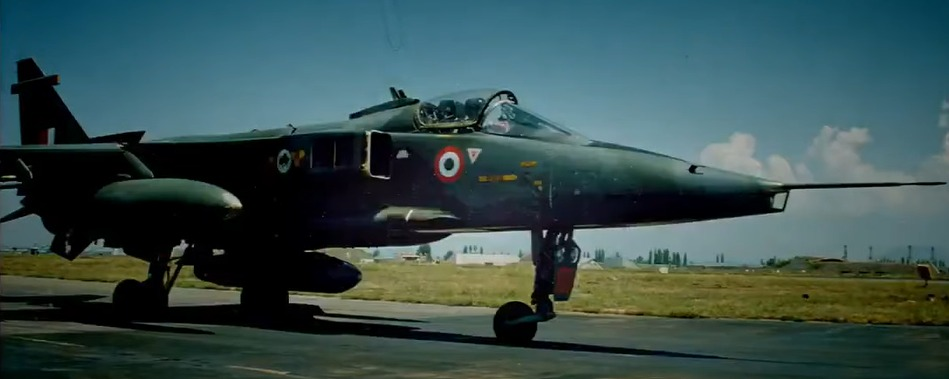
The summer of 1999 witnessed an extraordinary conflict in the icy heights of Kargil, a region nestled in the Indian-administered Ladakh. While wars are traditionally fought by armies on the ground, the Kargil War proved to be a theatre where the Indian Air Force (IAF) decisively shifted the tide with precision strikes and audacious high-altitude operations. Though the ground troops of the Indian Army were at the forefront of reclaiming peaks and ridgelines, the support provided by the IAF under the operation codenamed Operation Safed Sagar played a pivotal role in India’s victory.
The conflict, which lasted from May to July 1999, was marked not only by Pakistan’s covert aggression using irregulars and disguised soldiers from the Northern Light Infantry (NLI), but also by the exceptional challenges faced by Indian air assets operating at such extreme altitudes. This article delves deep into how air power was used innovatively, boldly, and decisively by India, and why Pakistan failed to match the same.
Historical Context: Pakistan’s Legacy of Covert Warfare
Pakistan has historically pursued a strategy of covert action, particularly when it comes to territorial disputes with India. This doctrine was first visible during the tribal invasion of Kashmir in 1947, when Pakistan employed irregular tribal forces supported by its military to occupy territory in Jammu and Kashmir. A similar tactic was used in 1965 when Pakistan’s Operation Gibraltar aimed to infiltrate Jammu and Kashmir with mujahideen, anticipating a local uprising against India.
By 1999, this pattern of using proxy actors had become deeply entrenched in Pakistan’s military thinking. Kargil was an audacious iteration of the same strategy. However, unlike previous incursions, this time the Indian response, particularly in the aerial domain, was not only swift but devastatingly effective.
Operation Safed Sagar: Launching India’s Aerial Offensive
The Indian Air Force formally launched Operation Safed Sagar on May 26, 1999, after initial assessments revealed the scale and depth of Pakistani intrusions. The IAF was tasked with three critical missions:
- Interdicting enemy supply lines and logistics supporting the infiltrators entrenched in fortified positions along mountain ridgelines.
- Conducting precision strikes on enemy bunkers, ammunition dumps, and forward positions.
- Providing close air support to the advancing Indian Army formations in the Dras, Kargil, and Batalik sectors.
However, executing these missions was anything but straightforward.
The Operational Challenges of High-Altitude Warfare
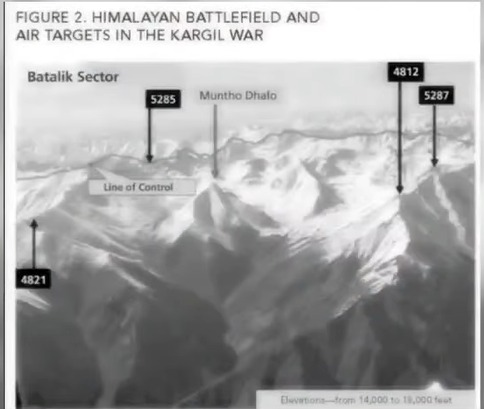
Kargil posed a set of unique operational challenges. The terrain comprised steep mountains with peaks rising to over 18,000 feet. Such altitudes severely affected the lift capacity of aircraft and helicopters, altered weapon trajectories, and complicated targeting due to the lack of radar visibility behind ridgelines.
Moreover, the IAF had to operate under severe rules of engagement. India had declared a no-crossing policy for the Line of Control (LoC), while Pakistan took advantage of this limitation by firing from well-fortified positions just meters behind the LoC. IAF fighters had to strike with utmost accuracy, all while staying within Indian airspace and avoiding escalation into a full-scale war.
Despite these limitations, the IAF displayed extraordinary adaptability and innovation.
The IAF’s Arsenal: Jets, Choppers, and Precision Munitions
Several platforms were deployed during Operation Safed Sagar:
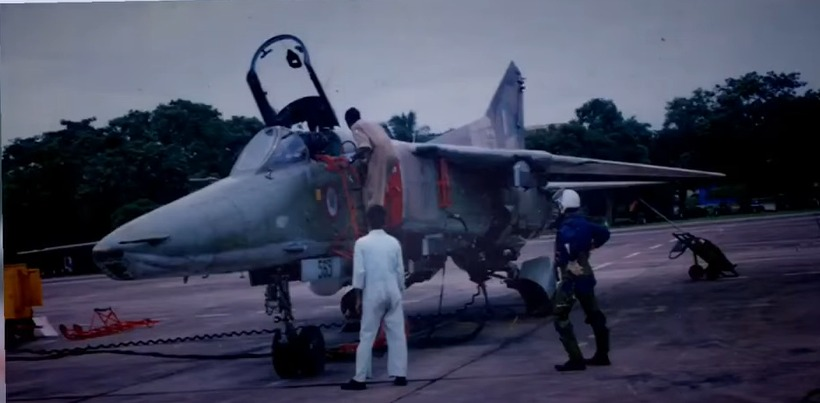
- MIG-21s and MIG-27s were used for conventional bombing and strafing runs.
- Mirage-2000s, the game-changers of the operation, were outfitted with laser-guided bombs and GPS-targeting systems. These aircraft were instrumental in executing precision strikes from altitudes above 30,000 feet.
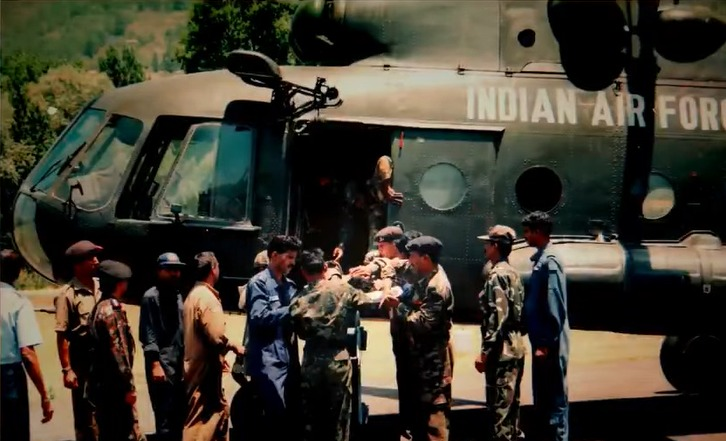
- Mi-17 helicopters, initially used for attack roles, had to be reassigned after one was lost to a Stinger missile. Nevertheless, they remained essential for transporting troops and conducting casualty evacuation (CASEVAC) under fire.
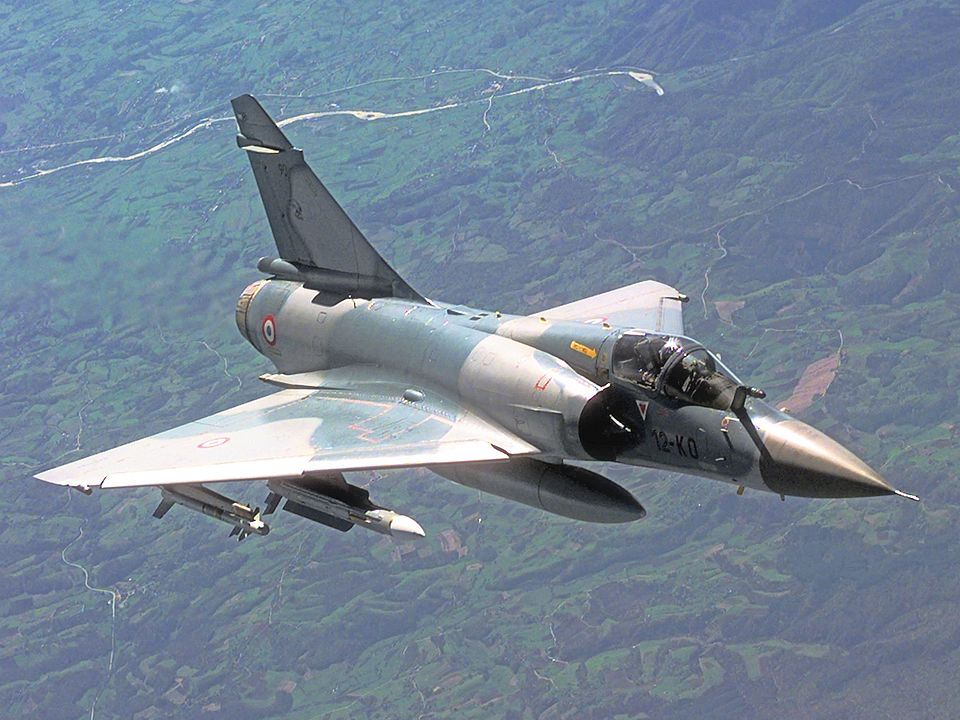
The Mirage-2000 emerged as the star performer. With the ability to drop laser-guided bombs with pinpoint accuracy, these jets destroyed key enemy bunkers on Tiger Hill, Muntho Dalo, and other peaks. Their success redefined India’s approach to air warfare and convinced policymakers of the need to invest in precision-guided munitions.
Notable Strikes and Tactical Triumphs
Some of the most significant airstrikes carried out by the IAF include:
- Muntho Dalo Ammunition Dump: The IAF strike on this forward logistics point caused massive secondary explosions, halting enemy reinforcements in the Batalik sector.
- Tiger Hill Assault: The IAF’s precision strikes softened enemy bunkers on the peak, allowing Indian infantry units to scale and recapture it.
- Tololing and Point 5140: These strategic heights were neutralized with support from Mirage-2000 strikes, paving the way for ground forces to take control.
Each of these victories was a combined success of intelligence coordination, air-ground synergy, and meticulous planning.
Pakistan Air Force’s Silence: A Strategic Gamble or a Missed Opportunity?
While the Indian Air Force executed its missions with increasing effectiveness, the Pakistan Air Force (PAF) remained curiously absent from the skies. Despite Indian jets operating aggressively in the Kargil sector, PAF refrained from engaging, even defensively.
There are multiple possible explanations for this strategic silence:
- Deniability: The entire operation was based on the premise that the intrusions were carried out by Kashmiri militants. Involving the PAF would have exposed the direct involvement of the Pakistan military, blowing the cover of plausible deniability.
- Fear of Escalation: Pakistan may have feared that engaging IAF aircraft could escalate the conflict into a full-blown war, drawing international criticism and possibly invoking India’s superior air response.
- Geographical Disadvantage: Pakistani air bases were located further from the theatre of operations, while Indian bases in Srinagar, Udhampur, and Avantipur allowed quick turnarounds and constant patrols.
This non-engagement allowed India to retain complete air superiority throughout the conflict.
Innovation, Intelligence, and Inter-Services Coordination
The Kargil conflict marked one of the first instances of effective joint warfare by India. Real-time intelligence gathered by the Research and Analysis Wing (RAW) and Defence Intelligence Agency (DIA) was shared with IAF strike teams. The ground forces, air force, and intelligence agencies worked in unison—correcting years of institutional silos.
The conflict also led to new Standard Operating Procedures (SOPs) for high-altitude air warfare. The use of high-resolution aerial imagery, drone surveillance, and satellite tracking began to play an increasingly important role.
Casualties and Lessons Learnt
The IAF lost four aircraft—two MiG-21s, one MiG-27, and one Mi-17 helicopter—mostly due to enemy shoulder-fired missiles. Yet, these losses did not deter its tempo or spirit.
The most important lessons learned were:
- The need for precision-guided munitions and night-vision capabilities.
- The importance of pilot training for high-altitude operations.
- The criticality of joint command structures between air and ground forces.
- The necessity of integrated intelligence and surveillance.
Post-Kargil, India embarked on a rapid modernization drive. Procurement of more Mirage-2000s, Su-30MKIs, and UAVs began in earnest.
International Reactions and Strategic Outcomes
The use of air power also played a strategic role in shaping global perceptions. India’s restraint in not crossing the LoC and still achieving tactical superiority garnered support from key powers like the United States and the United Kingdom.
On the other hand, Pakistan’s narrative fell apart when the bodies of NLI soldiers were discovered and identified. The absence of air support from PAF further confirmed that the operation was not a mujahideen-only mission but a regular army operation gone rogue.
Conclusion: A New Doctrine for Indian Air Power
The Kargil War changed the way India viewed air warfare. Operation Safed Sagar proved that air power could be used surgically, effectively, and within restricted parameters to influence battlefield outcomes decisively.
The Indian Air Force emerged from the war as a modern strategic force—no longer confined to air defense or support roles but as a front-line element in national security strategy. It underlined a clear shift in doctrine: From reaction to proactive deterrence.
More than two decades later, the legacy of Kargil remains etched in the doctrine of Indian military planning. It was a war fought on icy peaks, but it was air power that carried the day and helped India reclaim its territory—inch by inch, peak by peak.
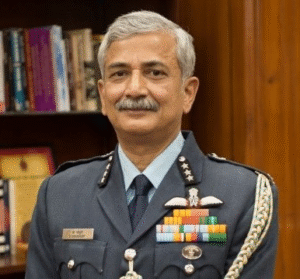
Air Marshal (Dr) Diptendu Choudhury
About the Author
Air Marshal (Dr) Diptendu Choudhury, PVSM, AVSM, VM, VSM (Retd) is a distinguished fighter pilot and strategic thinker, with extensive experience in commanding combat units and shaping air operations at tactical, operational, and strategic levels. An alumnus of the Royal College of Defence Studies, UK, he holds a Master’s degree from King’s College, London. During his service in the Indian Air Force, he played a key role in policy formulation and led the IAF in international exercises with the USA, France, and the UAE. Prior to retirement, he served as the Commandant of the National Defence College, New Delhi. A noted scholar, author, and speaker on air power and strategic affairs, he is the author of Indian Air Power: Contemporary and Future Dynamics.






Top 10 Monsoon Destinations in India That Come Alive During the Rainy Season
Hyderabad, July 2026 : The arrival of the southwest monsoon transforms India into a specta…

Top 10 Monsoon Destinations in India That Come Alive During the Rainy Season
Hyderabad, July 2026 : The arrival of the southwest monsoon transforms India into a …