Ganeshotsav: From Tilak’s Inspiration to Becoming a State Festival

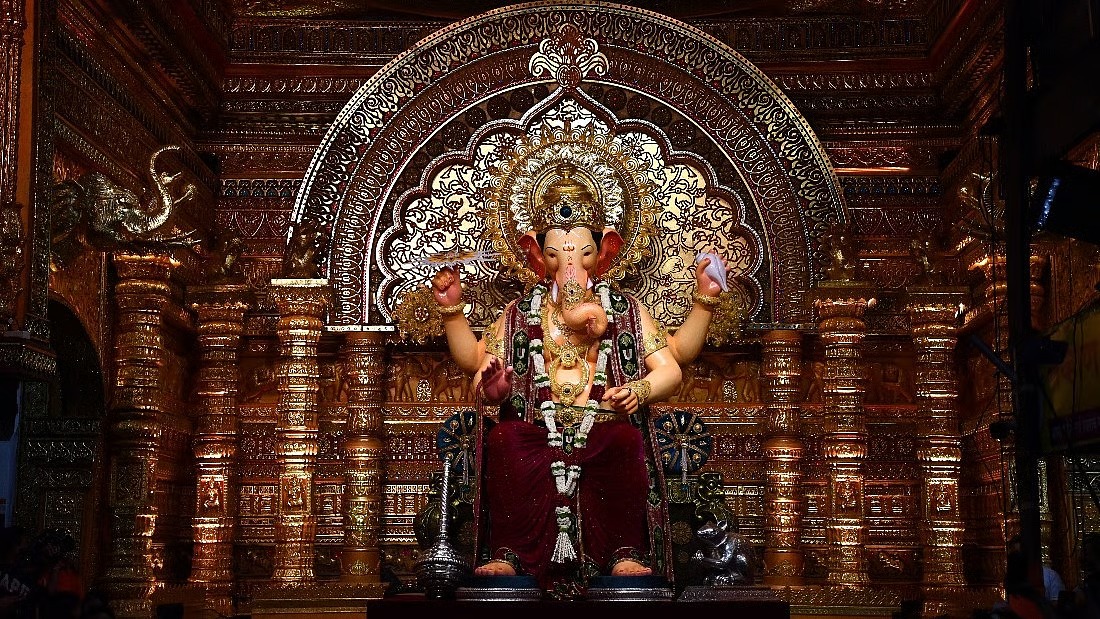
One of the most popular festivals in Indian culture is Ganeshotsav. In every corner of Maharashtra, this festival is celebrated with joy, devotion, and a sense of community. It is loved by every household and all sections of society. The history of this festival is not just religious; it also has social, cultural, political, and economic dimensions. Lokmanya Tilak started the tradition of celebrating Ganeshotsav publicly to awaken people and unite them against oppressive British rule. His aim was to use this platform for social unity, organizational movements, and cultural activities. Taking this legacy forward, the Maharashtra government has now recognized Ganeshotsav as a State Festival. Therefore, this year, Ganeshotsav is being celebrated across the state in a grand manner.
Tilak’s Visionary Decision
In 1893, Lokmanya Bal Gangadhar Tilak gave Ganeshotsav a public form. At that time, under British rule, Indian society could not rise freely. Collective gatherings were suppressed. But Tilak brought the household celebration of Ganeshotsav out into the open and gave it a public platform. This decision was not only religious but also promoted social unity and political awakening. What was once confined to temples or homes gradually became a unifying celebration for people across castes and communities.
Regional Forms of Ganeshotsav
- Konkan: Families return to their villages to celebrate together. The festival highlights nature, beaches, traditional worship, and cultural preservation.
- Vidarbha & Marathwada: The festival is marked by plays, poetry meets, cultural events, exhibitions, and grand immersion processions in Nagpur, Amravati, Chandrapur, etc.
- Pune: Home to historic Ganpati mandals with traditions over 100 years old. Cultural competitions, dramas, devotional programs, and classical music festivals are prominent. Artists from across India and abroad perform during this time.
- Mumbai: Known as the ocean of Ganeshotsav, beginning from Girgaon, it is now an integral identity of the metropolis. With migrant workers returning home, booming markets, and patronage from the film and theatre industry, Mumbai’s Ganeshotsav holds immense economic and cultural importance.
From Religious Ritual to Annual Celebration
The uniqueness of Ganeshotsav is that there is no restriction of caste or religion. Anyone can participate. Hence, it goes beyond religion and becomes a collective annual festival of joy. Celebrated for different durations—1.5 days, 2.5 days, 5 days, 10 days—it inspires children’s Ganesh mandals and shapes skills like leadership, organization, and art. Hundreds of renowned artists in Maharashtra first got their platform here.
Platform for Art, Leadership, and Social Awareness
Over the past century, Ganeshotsav has given a stage to thousands of artists, poets, directors, sculptors, and performers. Plays on social issues, educational messages, and eco-friendly idols have raised awareness. It has become a school of leadership, teaching youth organization, financial planning, and management.
Maharashtra Government’s Decision: State Festival Status
Ganeshotsav is now an integral part of Maharashtra’s cultural identity. From 2025, the government has declared it a State Festival. The Department of Cultural Affairs, Pu. La. Deshpande Maharashtra Kala Academy, Dadasaheb Phalke Film City, and District Collectors have been given responsibilities to organize it. Awards will be given to the best public Ganesh mandals at the taluka, district, and state level.
Emphasis on Eco-Friendliness
The State Festival has given importance to eco-friendly practices: noise-free, pollution-free celebrations, “One Village, One Ganpati” initiatives, clay idols, artificial ponds for immersion, and green celebrations. Cultural grants, promotion of Ganesh festivals internationally, and support for local artists are also part of the plan. Committees at taluka and district levels ensure wider participation.
Beyond Maharashtra
Once confined to Maharashtra, the festival has now spread across India and abroad—to Karnataka, Goa, Gujarat, Madhya Pradesh, Delhi, and many countries. Migrants from Mumbai and Pune take this tradition back home, making Ganeshotsav a national symbol of unity.
In 1893, Tilak showed society a bold path of unity by starting the public Ganeshotsav. That small beginning has now completed 150 years. By giving it the status of a State Festival, the Maharashtra government has made it a matter of pride for Ganesh devotees. Today, Ganeshotsav is no longer just a matter of religious faith—it is a celebration of art, culture, social awakening, leadership, and economic vitality. Tilak’s legacy has now become a festival of pride for the state.
Ganpati Bappa Morya!


Delivery Of Second Indigenous Diving Support Vessel – ‘Nipun’
‘Nipun’ the second Diving Support Vessel (DSV), built by Hindustan Shipyard Limited&n…
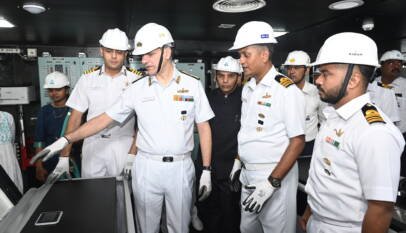
Delivery Of Second Indigenous Diving Support Vessel – ‘Nipun’
‘Nipun’ the second Diving Support Vessel (DSV), built by Hindustan Shipyard Limited was delivered to the …