Grand Exhibition on New Criminal Laws: Live Demo of the “Crime to Justice” Process in 10 Models

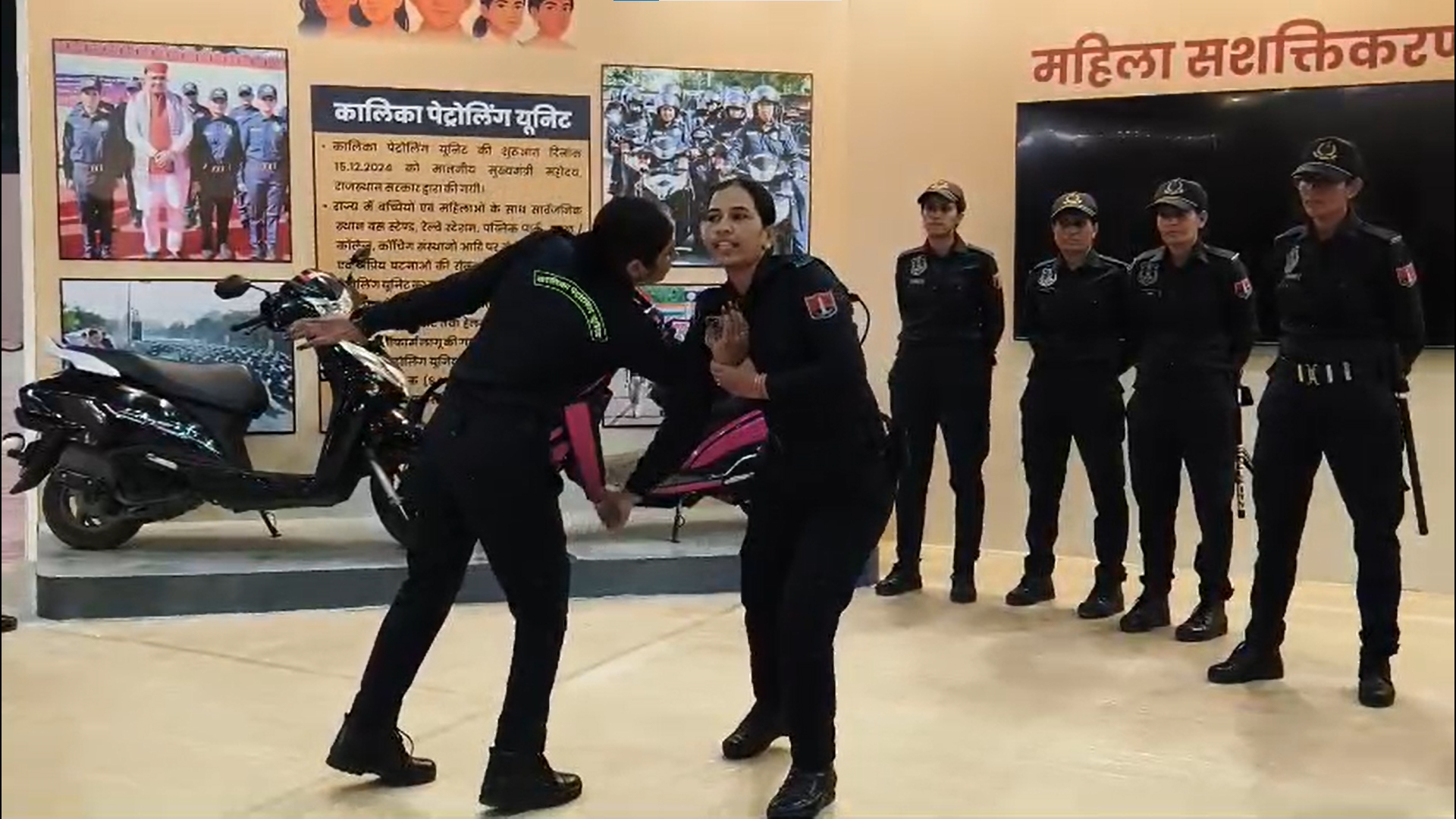
Jaipur, Oct 2025 : A grand exhibition celebrating the successful implementation of new criminal laws is set to become a major attraction for the general public, women, and students. The exhibition is divided into 10 different zones or models, where visitors can witness a live demonstration of the entire journey from reporting a crime to the final judicial decision. The layout is designed around the principle of “Justice First”, simplifying and making the judicial process accessible.
Highlights of the Exhibition: Live Journey Across 10 Models
The exhibition has been designed in a way that even students can easily understand how each government department functions under the new laws.
Stage 1 — Complaint and Investigation Initiation
Model 1: Control Room
This model demonstrates how emergency calls (like Dial 112) are received and how police respond immediately, showcasing police readiness and communication systems.
Model 2: Scene of Crime (SoC)
A replica of a crime scene was created, showing forensic teams collecting evidence live, emphasizing the mandatory use of videography.
Model 3: Police Station
This zone illustrates the process of filing e-FIRs and zero FIRs, helping citizens understand how easy and transparent filing a complaint has become.
Stage 2 — Scientific and Legal Verification
Model 4: Hospital
Focuses on collection of medical evidence. It demonstrates the medical examination of victims and preparation of legal post-mortem reports, which are now time-bound and digitized under the new laws.
Model 5: Forensic Science Laboratory (FSL)
A key part of the exhibition, this model explains the analysis of scientific evidence and how mandatory FSL tests increase conviction rates based on scientific proof.
Model 6: Public Prosecution Office
After receiving the FSL report, this model shows how the prosecution reviews evidence and prepares the charge sheet for court presentation.
Stage 3 — Justice and Reform
Model 7: District Court
Demonstrates a court proceeding, highlighting time-bound trials and presentation of electronic evidence, essential for ensuring speedy justice.
Model 8: Prison
Focuses on prison reforms, showing digital management of prisons and rehabilitation programs, emphasizing reform over punishment.
Model 9: High Court
Depicts the process of judicial appeals and reviews, representing the final stage of a case.
Model 10: Summary of New Criminal Laws
The final zone explains the key provisions of the three new laws, such as e-FIRs, community service, and trials of absconding offenders, in simple language, along with a comparison of old and new laws.
Benefits for the Public
The exhibition is particularly useful for students, women, lawyers, judicial officers, and civil society organizations, providing a rare opportunity to see the full journey from crime to justice firsthand.
Direct Benefits to Citizens:
- Simple Understanding of Laws — Citizens can see how easy it has become to file complaints via e-FIRs and zero FIRs, and understand the functioning of police and courts.
- Transparency and Trust — By witnessing mandatory videography and forensic investigation live, the public gains confidence that investigations are now evidence-based rather than arbitrary, enhancing trust in the justice system.
- Assurance of Speedy Justice — The exhibition emphasizes strict time limits for case resolution, assuring citizens they will no longer wait years for justice, as the system is designed for timely delivery of justice.
In summary: Visitors will understand that India’s justice system has become citizen-centric, transparent, and modern, ensuring access to fair and efficient justice for all.





Israel Rejects Gaza Disarmament Plan, Says IDF Will Stay Until Hamas Fully Disarmed
Jerusalem, July 2026 : Israel has reiterated its strong opposition to the US-backed plan f…

Israel Rejects Gaza Disarmament Plan, Says IDF Will Stay Until Hamas Fully Disarmed
Jerusalem, July 2026 : Israel has reiterated its strong opposition to the US-backed plan …