Minamata due to the Proliferation of Mercury.

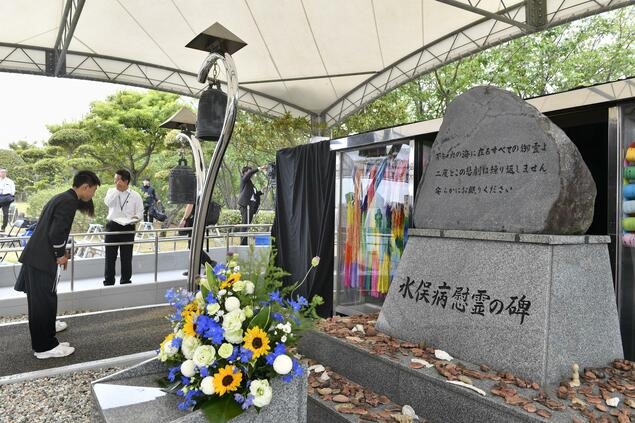
The Minamata Convention, adopted in 2013 in Kumamoto, the capital city of the prefecture by the same name, aims to protect human health and the environment from industrial emissions and releases of mercury globally. Parties to the pact meet every two years. In the 1950s, many residents of the coastal city suffered a neurological disorder caused by mercury poisoning after eating fish contaminated by discharges from a nearby chemical plant.
Yesterday, on 07th November, 2025, countries discussing tougher mercury regulations decided to ban the use, import and export of mercury-containing dental amalgams worldwide by 2034. The decision was reached at a meeting on the Minamata Convention on Mercury held in Geneva. The pact is named after a seaside city in southwestern Japan where many people were poisoned by mercury in the 1950s.
Japan, which paid an enormous human cost at the time due to what it calls Minamata disease, has already been reducing the use of mercury amalgams over the past decade, driven by public health concerns. “This is a major step forward for the convention“, said conference President Osvaldo Alvarez of Chile as he announced the consensus among participants.
While countries such as the United States and many African states pushed for an earlier phaseout date of 2030, resistance from Britain, India and Iran, among others, pushed it to 2034. Those favouring a longer timeframe pointed out the need to consider the cost and durability of alternatives to mercury-based dental amalgams. The European Union has prohibited mercury fillings since January. In Japan, health insurance covers mercury-free alternatives, such as gallium alloy, for dental restoration.
Delegates to the latest meeting failed to reach agreement on whether mercury-free alternatives are economically and technically viable. Those discussions are set to continue in the coming months.
However earlier on 25th May, 2025, an online Japanese Tutorial Class had publicly apologised for inaccurately describing the Minamata mercury-poisoning disease as hereditary in its online study material, a description that drew strong public criticism. The false claim appeared in a video lesson for junior high school students from the firm’s “Try IT” online service, which explained cases of infants developing the disease via mercury exposure through the placenta but wrongly called the condition “inherited”.
Trygroup Inc., the operator of the nationwide home tutoring service Try, said in a statement available on its website, “We apologise for the inaccurate phrasing and have corrected it“, adding the lesson video has already been taken offline. Following the revelation of the misinformation, a group comprising patients and victims of Minamata disease, as well as the Environment Ministry, urged the company to make corrections.
Minamata disease is a neurological disorder caused by mercury poisoning. It affected thousands of people who unknowingly consumed seafood contaminated with mercury in areas around Minamata Bay in Kumamoto Prefecture on the southwestern main island of Kyushu.
In 1968, the Japanese government recognised that mercury in wastewater from a local chemical plant was responsible for the illness.
Team Maverick





Maharashtra Shuts Schools Across Several Districts as Heavy Rain Alert Triggers Safety Measures
Mumbai, July 2026: Authorities across several districts in Maharashtra have declared a hol…
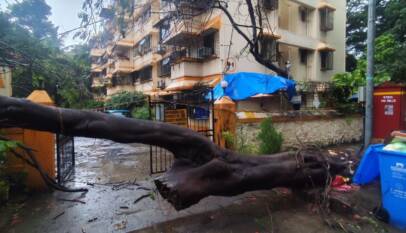
Maharashtra Shuts Schools Across Several Districts as Heavy Rain Alert Triggers Safety Measures
Mumbai, July 2026: Authorities across several districts in Maharashtra have declared a holiday for …