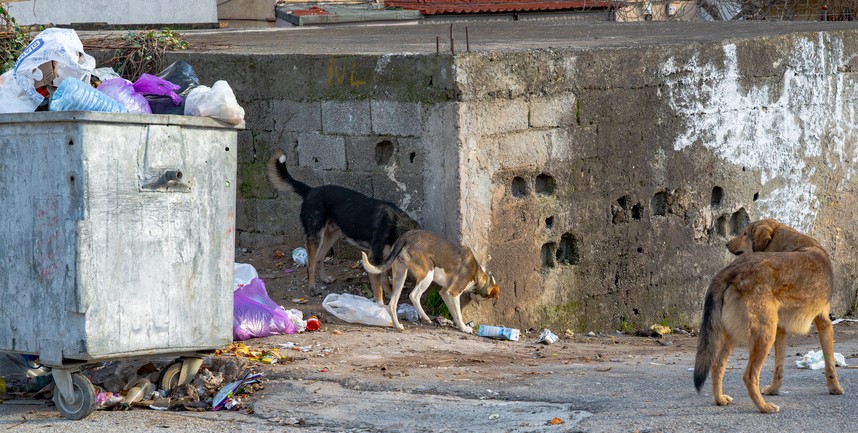
Why Sterilisation is Core to the Stray Dog Management.

A new study by Esya Centre, a Delhi-based policy research think tank, shows that when sterilisation and vaccination programmes are implemented well, they can reduce both dog population growth and rabies risks. The findings cut through a confusing narrative shaped by rising bite numbers, patchy municipal responses and fragmented data.
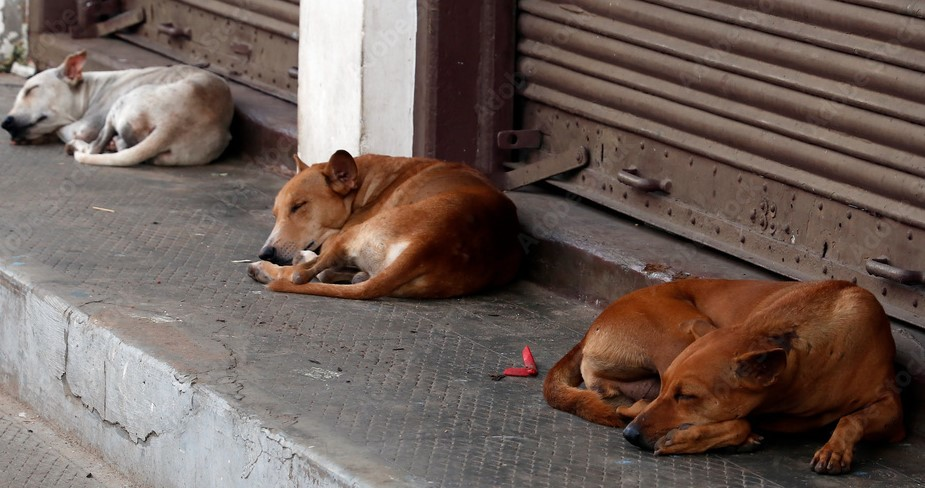
But the study also found large differences between cities in bite incidence, feeding practices and the quality of municipal efforts. It stresses the need for better, disaggregated bite data including whether injuries involve pet dogs or stray ones.
ESYA’s report, have surveyed over 1,000 respondents across 10 cities. The majority of participants described ‘free-ranging’ dogs (those that move freely in public spaces, regardless of ownership and may include community dogs cared for by neighbourhoods, pets allowed to roam, partially dependent dogs fed by shops or temples, completely independent street dogs, and strays that are lost or abandoned) as friendly, and believed they offered neighbourhood benefits.
The Animal Welfare Board of India’s Revised Module for Street Dog Population Management, Animal Birth Control (ABC) works only at scale, which means sterilising at least 70% of the dog population in each area. This must be paired with vaccination and release back into the same territory, preventing unsterilised dogs from moving in. This 70% threshold underpins national policy.
Peer-reviewed studies and field evaluations show the benefits of well-run ABC programmes: fewer puppies, healthier dog populations, and reduced nuisance behaviour. Municipal assessments from Bengaluru, Kozhikode, and Jamshedpur report declines in pup numbers and improved vaccination coverage where sterilisation was carried out consistently rather than through short-term drives. A 2025 PLOS study of Indian CNVR sites also found measurable improvements when high coverage was maintained.
However, several cities continue to struggle. In Kolkata, only about 10% of the 84,000 dogs targeted under the ABC/ARV programme were sterilised after three years. In Bhubaneswar, more than half the estimated stray-dog population remained unvaccinated. The Animal Welfare Board of India has also criticised some municipal bodies for weak monitoring and poor contract oversight. ESYA’s analysis highlights these uneven responses, pointing to inconsistent capacity and unreliable data systems.
Goa offers a mixed picture. The state is implementing a Supreme Court directive to remove dogs from sensitive public spaces and has identified land for shelters. It also has a strong record of rabies control, with high vaccination coverage and zero human rabies deaths in recent years. But shifting from a vaccination-led approach to one centered on relocation has raised concerns, with experts warning that large-scale sheltering could disrupt existing ABC gains and create new population pressures.
ESYA’s brief explains why stronger data matters. Estimates for Delhi–NCR’s dog population range widely from 300,000 to 1 million, making it difficult to plan sterilisation or shelter capacity. A national census meant to address this has been stalled for three years. Bite data, officially at 3.7 million cases in 2024, is also too limited because hospitals do not differentiate between pet and stray free-ranging dog bites, leading to misdirected responses. Yet 78% of survey respondents still support sterilisation as the most humane and effective approach.
Taken together, the findings suggest that cities see the most progress where ABC programmes are continuous, data systems are strong and municipal practices are standardised. These long-term investments, the report notes, remain central to balancing public safety with animal welfare.
Team Maverick








France Likely to Respond by Mid-August on India’s Mega 114-Rafale Fighter Jet Proposal
New Delhi, July 2026 : France is expected to submit its official response by mid-August to…

France Likely to Respond by Mid-August on India’s Mega 114-Rafale Fighter Jet Proposal
New Delhi, July 2026 : France is expected to submit its official response by …