BJP Bars Relatives of Sitting Leaders from Local Poll Tickets in Maharashtra, Signals Anti-Dynasty Push

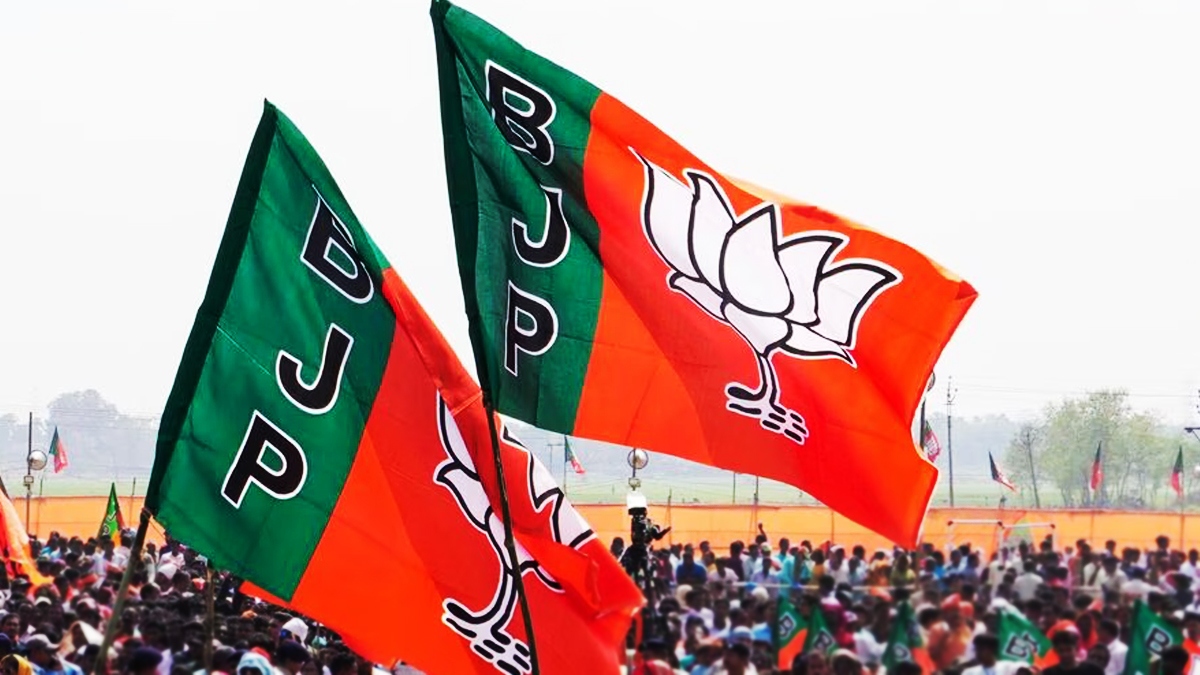
Mumbai, December 2025 : In a decisive move ahead of the upcoming Maharashtra local body elections, the Bharatiya Janata Party (BJP) on Monday announced a sweeping policy change that bars the immediate relatives of its sitting Ministers, Members of Parliament (MPs), and Members of the Legislative Assembly (MLAs) from contesting civic polls on party tickets. The decision marks a significant strategic shift aimed at countering allegations of dynasty politics and reinforcing the party’s commitment to grassroots leadership.
The new directive, confirmed by BJP MP Dhananjay Mahadik at a press conference, is intended to prioritise long-serving party workers over family members of established leaders. Mahadik said the policy was finalised during a high-level party meeting and would be implemented uniformly across the state.
“As disciplined soldiers of the party, we accept this decision wholeheartedly. The leadership has taken this step to strengthen internal transparency and give genuine workers their due,” Mahadik said, underlining that the move reflects the party’s broader ideological stand against “parivarvad”.
The impact of the decision was swift and visible. Several high-profile aspirants withdrew from the race soon after the announcement. In Kolhapur, Krishnaraj Mahadik, son of MP Dhananjay Mahadik, withdrew his nomination in compliance with the party’s directive. Similar developments unfolded in Nashik, where the son of BJP MLA Devayani Farande and the daughter of MLA Seema Hire stepped back from contesting the elections.
The timing of the announcement is particularly significant, coming just a day before the December 30 deadline for filing nominations for municipal corporation elections. Party insiders say the move sends a strong signal to both voters and party cadres that the BJP is serious about internal reform, even if it causes short-term discomfort.
However, the policy has not been without exceptions or controversy. Observers noted that the party has allotted tickets to the brother and sister-in-law of Maharashtra Legislative Assembly Speaker Rahul Narwekar. While the BJP has not officially clarified this apparent deviation, party sources suggest that the definition of “immediate relatives” and local organisational considerations may have influenced the decision.
This “new BJP pattern” represents a sharp departure from earlier local elections, when multiple members of the same family were, in some cases, fielded simultaneously. As the party began releasing its list of candidates for civic polls, the leadership’s firm adherence to the new policy became evident, triggering withdrawals by politically prominent families across districts.
The decision has also caused unease among some aspirants and local office-bearers. Acknowledging this, Mahadik admitted that seat-sharing arrangements within the ruling Mahayuti alliance had added to the disappointment of certain party workers.
“There are bound to be grievances in such a large organisational exercise. We will personally speak to those who are upset and resolve issues within the next two days,” he said. Mahadik also revealed that several Congress aspirants had reached out to the BJP, though he emphasised that the party’s candidate list was now finalised. He added that he plans to meet leaders such as Dhanshree Todkar to address concerns directly.
By enforcing this policy, the BJP is attempting to project an image of internal meritocracy and discipline ahead of crucial civic elections. Strategists believe the move will help the party counter opposition attacks on dynastic politics while strengthening its narrative of providing opportunities to hardworking cadres rather than political heirs.
The leadership also expects the decision to reduce the risk of rebellion by disgruntled independents, as loyal workers are likely to feel more valued within the organisation. More broadly, the policy is being viewed as an effort to present a “pro-worker” and reform-oriented image to voters in high-stakes local body elections, where grassroots connect often determines electoral outcomes.
(The content of this article is sourced from a news agency and has not been edited by the Mavericknews30 team.)


FIFA World Cup 2026: Portugal Edge Croatia 2-1 in Dramatic Finish, Set Up Blockbuster Last-16 Clash with Spain
Toronto, July 2026 : Portugal staged a spirited comeback to defeat Croatia 2-1 in a dramat…
The Founding of YouTube A Short History
YouTube is one of the most influential platforms in modern media, but its origin story …