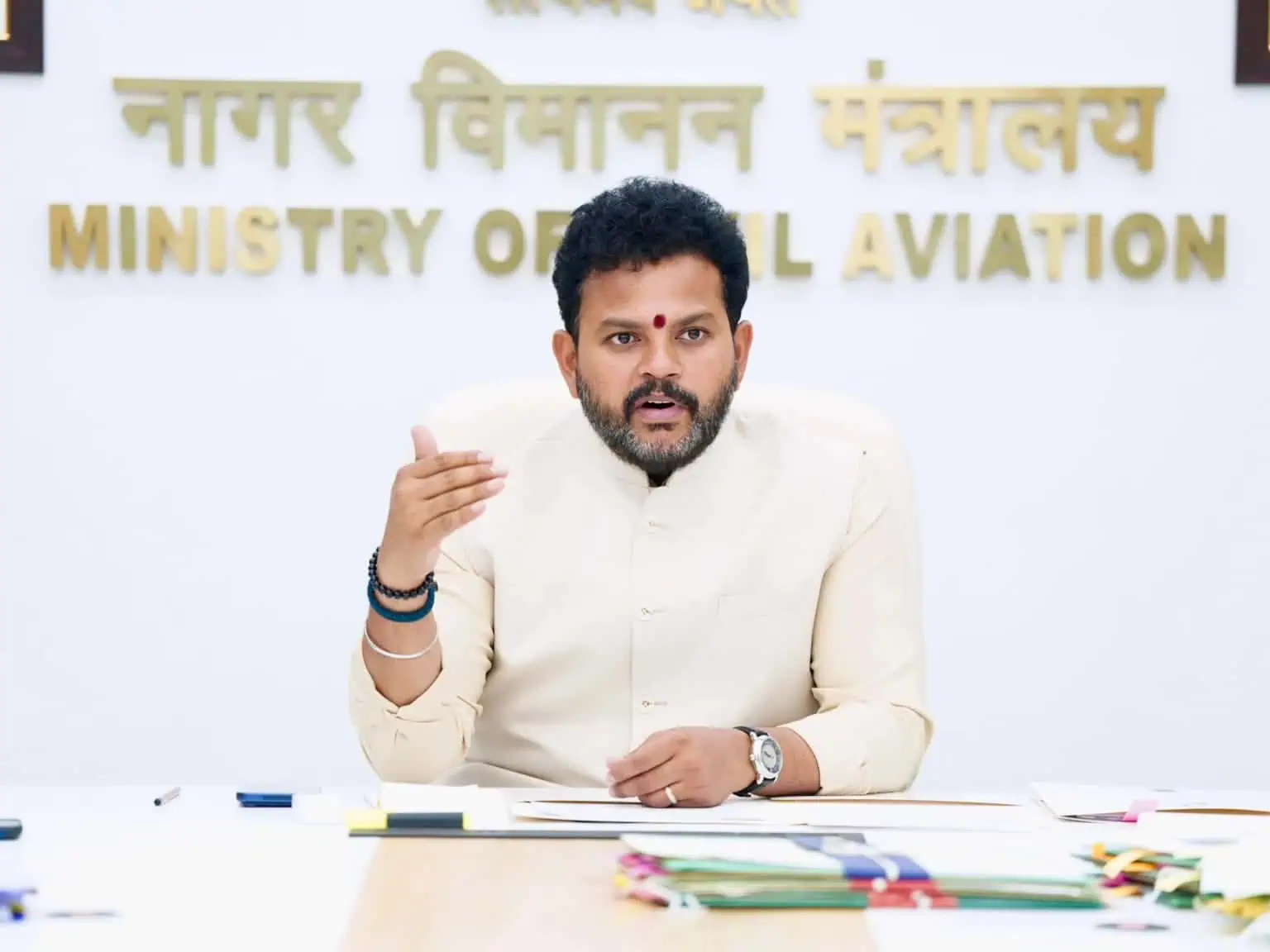
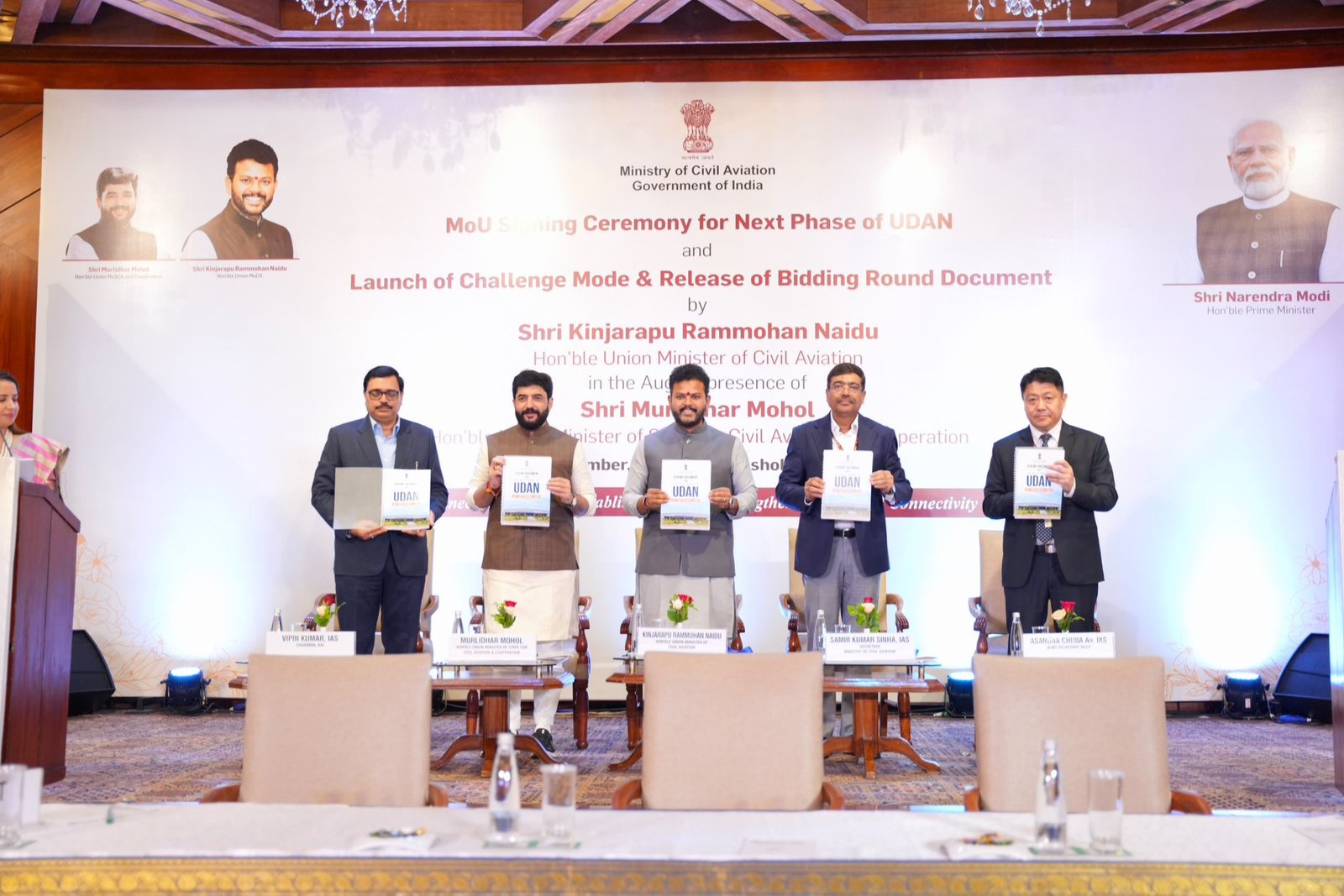
New Delhi, September 2026 : As many as 21 states and Union Territories have signed Memoranda of Understanding (MoUs) with the Civil Aviation Ministry for the next phase of the regional connectivity scheme UDAN (Ude Desh ka Aam Naagrik), Civil Aviation Minister Rammohan Naidu said on Tuesday.
Speaking at the MoU signing ceremony, Naidu described UDAN as one of the country’s most significant aviation initiatives, saying the scheme had played an important role in expanding regional air connectivity and making air travel accessible to people in smaller cities and towns.
The minister said the government’s decision to extend UDAN for another 10 years would provide a long-term framework for strengthening the country’s aviation infrastructure. Under the extended programme, the government aims to develop 100 new airports and 200 modern helipads across the country.
The next phase is also targeted at facilitating air travel for around four crore UDAN passengers, Naidu said, adding that the government was seeking greater participation from states and other stakeholders to expand the regional aviation network.
Highlighting the progress made under the scheme, Naidu said more than 80 airports had been developed over the past decade under the modified UDAN framework. These facilities, he said, had helped extend the benefits of affordable air travel to nearly 1.54 crore passengers.
The event also marked the launch of the Challenge Mode under the next phase of UDAN and the release of documents for the bidding process. Under the new approach, airport projects will be prioritised and fast-tracked with the objective of reducing construction timelines to around 18 months, compared with the earlier average of two to three years.
Naidu said the expansion of the aviation sector would also generate significant employment opportunities. India’s aviation industry currently supports more than seven million jobs, he said, and the figure is expected to cross 20 million by 2040.
The minister also announced changes to the Viability Gap Funding (VGF) mechanism. VGF support will be provided in a tapered manner, while the period for such assistance will be extended from three years to five years.
Naidu stressed the importance of ensuring that government partnerships remain sustainable and are structured in a manner that allows projects and initiatives to continue successfully over the long term.
He also called for the creation and expansion of more airlines in India, particularly regional and smaller carriers. The minister urged state governments to engage more actively with smaller airlines and explore ways of supporting their expansion.
“Smaller airlines want to grow rapidly; they want a nudge,” Naidu said, adding that states could help bring different groups together to facilitate the creation of new airlines.
He said state governments could also explore smaller, region-specific models to support regional carriers and improve connectivity.
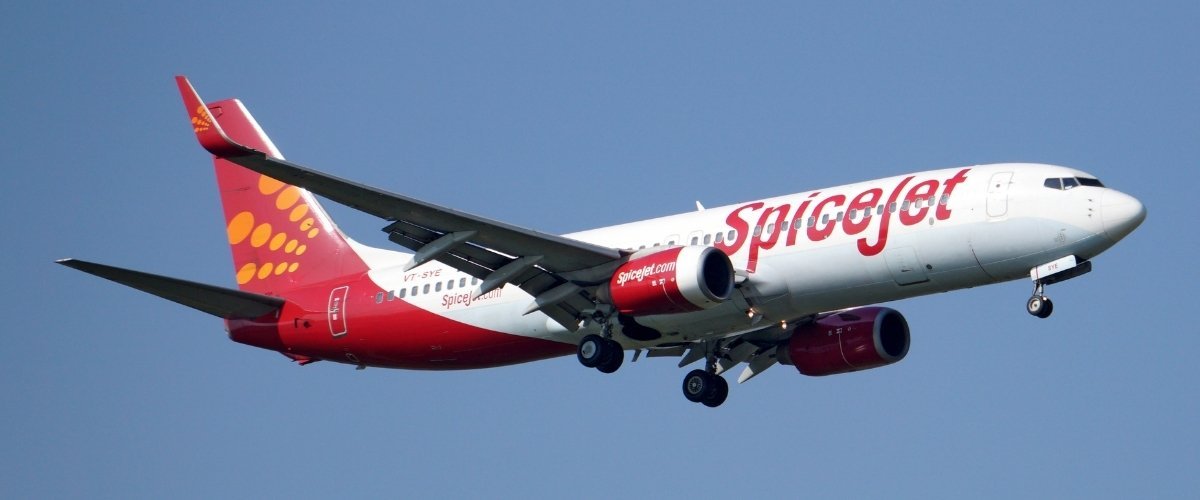
On the financial health of airlines, Naidu said the Directorate General of Civil Aviation (DGCA) was maintaining close scrutiny of the operations and finances of low-cost carrier SpiceJet to ensure that safety standards were not compromised.
He said the Centre had earlier provided support to the aviation industry through the Emergency Credit Line Guarantee Scheme (ECLGS) during difficult market conditions, including challenges arising from the West Asia crisis. Under the scheme, Rs 150 crore had been disbursed to SpiceJet, he added.
The minister said the government’s broader objective was to combine infrastructure expansion, regional connectivity, airline growth and safety oversight to strengthen India’s aviation ecosystem.