Tokyo, August 2026: Japan's Defence Ministry plans to seek a record budget of 8.9 trillion yen for fiscal 2027, according to a press notification issued by the Japanese Defence Ministry, as Tokyo accelerates its defence buildup in response to growing regional security threats and what officials describe as “new forms of warfare”.
The proposal will be submitted to the Finance Ministry by the end of August. The actual budget is expected to increase further because the proposal includes numerous items without specified amounts that will be finalised during year-end budget negotiations, sources said.
The final fiscal 2027 budget will also reflect the results of an ongoing review of Japan's three key national security documents, with a senior government official saying defence spending could ultimately reach around 10 trillion yen.
The upcoming budget for the year starting next April will focus on preparing the Self-Defence Forces (SDF) for new forms of warfare involving drones and artificial intelligence, as seen in Russia's war in Ukraine.
The use of interceptor drones is being viewed as a cheaper alternative to surface-to-air missiles for countering enemy drones used in one-way attacks. Japan also aims to use AI to support command-and-control operations, sources said.
The proposed budget includes funding for longer-range missiles with counterstrike capabilities, cloud infrastructure for classified data and organisational reforms aimed at strengthening defence cooperation with foreign partners and Japan's domestic defence industry.
Japan also plans to expand research into high-powered laser and microwave weapons to build a more cost-effective air-defence network.
The new budget proposal is based on Japan's five-year defence buildup programme, which allocates a combined 43 trillion yen in defence spending between fiscal 2023 and 2027. Japan has steadily increased defence spending since adopting a new national security strategy in 2022, citing growing military threats from China, North Korea and Russia.
Japan's move to strengthen its defence capabilities could fuel a regional arms race in East Asia, analysts have warned. China has criticised the government under Prime Minister Sanae Takaichi over what it describes as Tokyo's push towards “neo-militarism”.
Under Takaichi, Japan brought forward by two years its goal of raising defence-related spending to 2 per cent of gross domestic product (GDP), targeting fiscal 2025.
For fiscal 2026-27, the Defence Ministry had proposed about 8.8 trillion yen, while the budget enacted in April amounted to roughly 9 trillion yen, including costs related to the realignment of US forces in Japan.
The Defence Ministry described the latest figure as the first time Japan's defence budget had crossed the 9 trillion yen threshold. Defence Minister Shinjiro Koizumi said the amount represented the minimum required for Japan to fulfil its defence obligations amid what he called the country's most severe and complex security environment in the post-war period.
The budget proposal is the fourth instalment of a five-year spending plan of around 43 trillion yen. It follows Takaichi's decision to bring forward by two years the 2027 target of spending 2 per cent of GDP on defence.
The Defence Minister has also said that a supplementary budget approved by Parliament earlier this month would push defence spending beyond the 2 per cent benchmark. The move is among Takaichi's key pledges, which also include an early revision of Japan's three key security documents by the end of next year.
A 100 billion yen plan to build a multilayered coastal defence system covering air, sea and land and incorporating unmanned assets and strengthened standoff defence capabilities was also included. The allocation was lower than the earlier 128.7 billion yen initial proposal from the Defence Ministry in August.
The system, known as Synchronised, Hybrid, Integrated and Enhanced Littoral Defence (SHIELD), will employ large numbers of relatively inexpensive unmanned aerial, surface and underwater vehicles for reconnaissance and attack missions. The system is scheduled to be operational by the end of fiscal 2027.
“This system will enable Japan to adopt new warfare methods, firmly protect the lives of personnel and halt enemy invasions of islands at the coastline,” Koizumi said on August 7.
Japanese defence officials have highlighted the extensive use of drones in recent conflicts, particularly the Ukraine war, and have described their rapid introduction as an urgent priority.
Japan's counterstrike capabilities are also expected to receive a major boost, with a total of 977 billion yen proposed for standoff weapons. This includes 177 billion yen for an improved, longer-range version of the domestically developed Type 12 ground-launched anti-ship missile. Deployments of these weapons are planned to begin before the current fiscal year ends in March 2027.
More than 30 billion yen is being proposed for the acquisition of hypersonic missiles capable of travelling at least five times the speed of sound, while another 73 billion yen is proposed for weapons development.
These capabilities could theoretically enable Japan to strike distant enemy bases and other targets, although the government has emphasised their deterrent role.
Both drone systems and standoff missiles are considered particularly important for deterring threats and defending Okinawa Prefecture's remote southwestern islands, including those close to Taiwan.
Japanese officials have described drones as “game-changers”, reflecting the growing importance of unmanned systems in modern warfare. Tokyo is therefore seeking to give such platforms a larger role in the SDF as quickly as possible.
Unmanned systems are also being viewed as a potential response to Japan's declining population and recruitment difficulties within the SDF.
Total expenditure on drones is expected to exceed 277 billion yen this year, with Japan aiming to spend around 1 trillion yen on procurement and research and development by 2027 under its 2022 Defence Buildup Programme.
In the near term, Japan is pursuing a quantity-over-quality approach to drone procurement amid what it describes as an increasingly challenging regional security environment. To rapidly introduce air, surface and underwater drones into the SDF, Tokyo is considering purchases from Turkey, Australia, the United States and other countries.
The proposal also includes bringing forward a planned overhaul of the SDF personnel pay structure to fiscal 2027, a year earlier than scheduled. Other measures are aimed at improving living conditions and infrastructure as part of efforts to address chronic staffing shortages.
Chinese military activity around Japan remains a major factor behind Tokyo's defence buildup. Earlier this month, Chinese military fighter jets twice directed radar at Air Self-Defence Force aircraft over international waters southeast of Okinawa Prefecture, in what Tokyo described as a dangerous incident.
The decision to publicly disclose the radar illumination came as Beijing continues to pressure Tokyo following Takaichi's remarks in November that the SDF could be deployed under the right of collective self-defence in a “worst-case” situation, such as a Chinese naval blockade of Taiwan.
In its defence white paper released in July 2026, Japan said the Chinese military was intensifying activities around Japan, including in the East China Sea near the Senkaku Islands, the Sea of Japan and the western Pacific beyond the first island chain.
China has also deployed both of its active aircraft carriers deep into the western Pacific and conducted multiple encounters involving Japanese aircraft, which Tokyo says could increase the risk of collisions.
In response, Japan's Defence Ministry plans to establish a new office focused on “Pacific defence initiatives” to examine surveillance and monitoring systems along the country's periphery and ways to strengthen cooperation with regional partners.
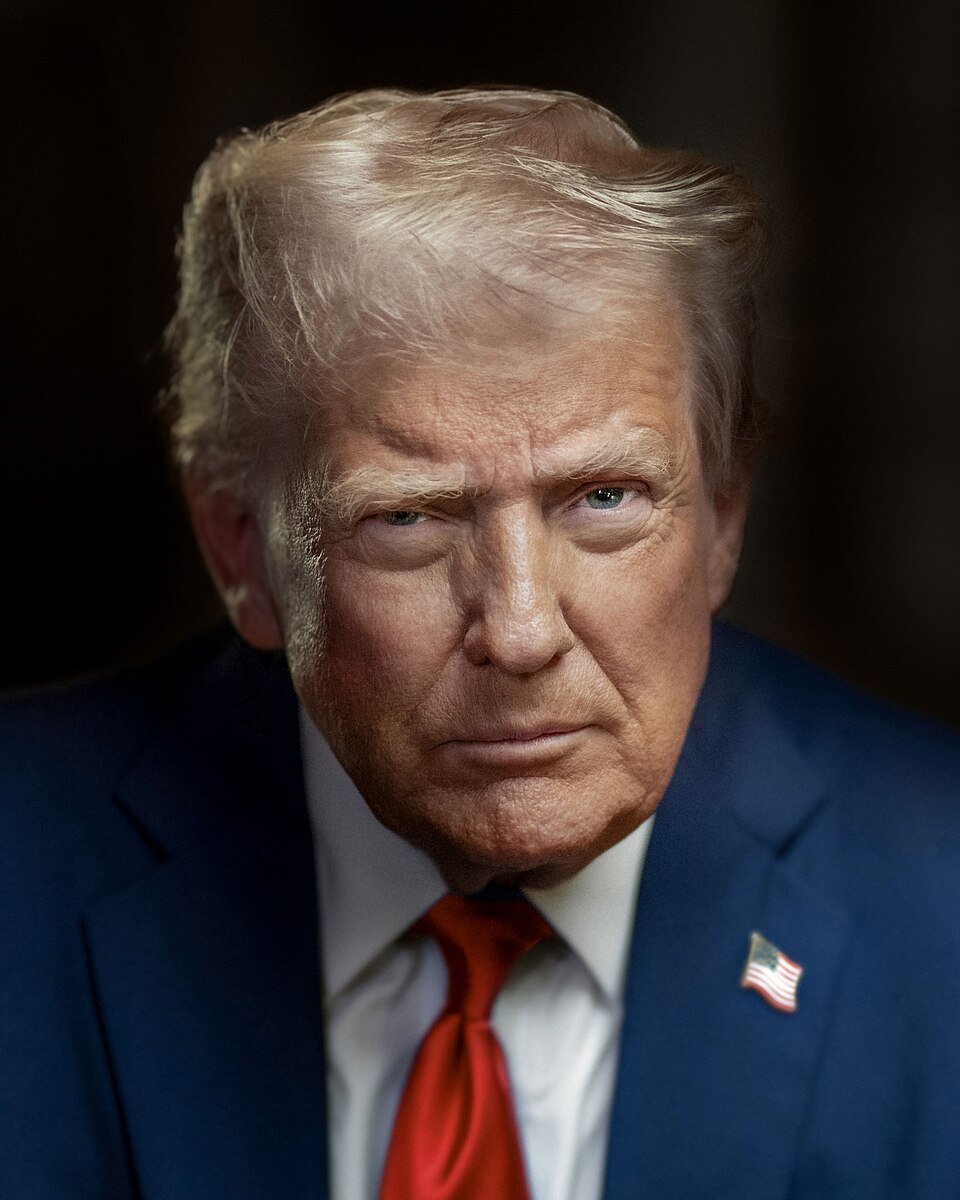
China, however, is not the only factor influencing Japan's defence expansion. US President Donald Trump's calls for allies to increase defence spending and uncertainty over Washington's Indo-Pacific policy have also contributed to Tokyo's calculations.
The Trump administration has promoted a global target of 3.5 per cent of GDP for defence spending among the United States' allies. Reaching that level could prove politically and economically difficult for Japan amid inflationary pressures and a weak yen.
Defence Minister Koizumi said the latest budget proposal demonstrates Japan's “unambiguous national resolve” both domestically and internationally. The issue is expected to remain an important topic in future discussions between Japanese and US defence officials.
Team Maverick