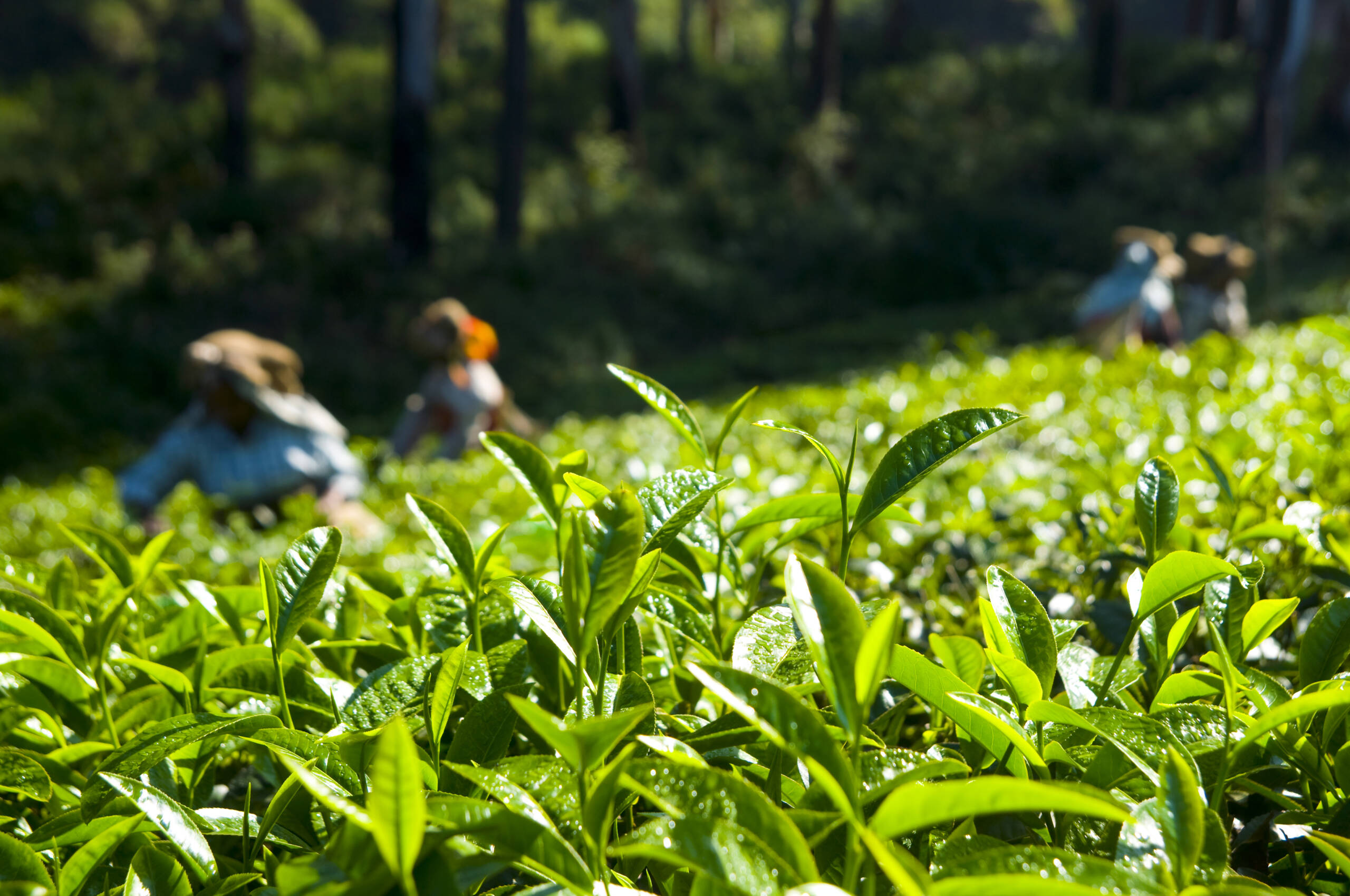
21st May – International Tea Day.

New York; May 2026: The origins of tea stretch back more than 5 000 years, but its contributions to health, culture and socioeconomic development are still as relevant today. Tea is currently grown in very localized areas, and supports over 13 million people, including smallholder farmers and their households, who depend on the tea sector for their livelihoods.
International Tea Day is an opportunity to celebrate the cultural heritage, health benefits and economic importance of tea, while working to make its production sustainable ‘from field to cup’ ensuring its benefits for people, cultures and the environment continue for generations.
The Food and Agriculture Organization of the United Nations (FAO) is celebrating the International Tea Day 2026 today (Thursday, 21st May 2026) at FAO headquarters. The event is being inaugurated by the FAO Director-General, QU Dongyu, who is highlighting tea’s contributions to livelihoods, cultural heritage, and sustainability of agrifood systems, while placing tea-growing communities at the centre of the observance. The inauguration is poised to feature a cultural performance by the Wuzhishan Rainforest Children’s Choir from Hainan Province, China, followed by an exclusive and varied tea tasting experience.
Recognising the long history and the cultural and economic significance of tea around the world, as well as the significant role it plays in rural development, poverty reduction and food security in developing countries, the United Nations General Assembly proclaimed 21st May as International Tea Day, calling on FAO to lead the observance.
Tea production and processing are a main source of livelihoods for millions of families. The celebration promotes the sustainable production, consumption, and trade of tea, and offers an opportunity for actors at global, regional and national levels to ensure that the tea sector continues to play a role in reducing extreme poverty, fighting hunger and safeguarding natural resources.
KEY MESSAGES –
- Tea production and processing represent a source of livelihoods for millions of families, including millions in the least developed countries.
- The tea sector is a multi-billion-dollar industry that supports economies and contributes to sustainable agrifood systems.
- Tea export earnings help to finance food import bills, supporting the economies of major tea-producing countries.
- The tea sector plays a vital role in socio-economic development, representing a major source of employment and income for millions of poor families worldwide.
- Tea production and processing empower individuals—especially women—by promoting economic inclusion and strengthening community resilience.
- Tea thrives in very specific agro-ecological conditions and environments, which are often impacted by climate variability.
- Smallholder tea producers, who play a central role in the sector, need our support to strengthen their business model and environment, and to overcome the challenges they face.
- Efficient, transparent, and sustainable value chains – from field to cup – are critical to ensuring benefits for both people and the environment.
INTERESTING FACTS ABOUT TEA –
- Tea is one of the world’s oldest beverages and is the most consumed drink in the world, after water.
- Tea holds deep cultural and social significance in many communities worldwide, representing not only a widely consumed beverage but also an important symbol of hospitality, tradition, and social connection.
- Tea is available in many varieties, which differ according to the applied oxidation and fermentation technique.
- Tea cultivation provides employment and income to millions of smallholder growers, who are supplementing or even replacing production of larger tea estates in many countries.
- While three quarters of tea produced is consumed domestically, tea is a widely traded commodity.
- Over the past decades, the global tea industry has seen rapid growth, with a rising number of consumers globally.
- Despite the increase of tea consumption in the major producing countries, per capita consumption remains relatively low, suggesting there is still considerable growth potential in these countries.
- Six tea cultivation sites have been designated by FAO as Globally Important Agricultural Heritage Systems (GIAHS), of which four are located in China, one in Japan, and one in the Republic of Korea.
Team Maverick.








33 out of the 37 State/UT Legislatures have signed MoUs for the implementation of the National e-Vidhan Application
33 out of the 37 State/UT Legislatures have signed Memoranda of Understanding (MoUs) for t…

33 out of the 37 State/UT Legislatures have signed MoUs for the implementation of the National e-Vidhan Application
33 out of the 37 State/UT Legislatures have signed Memoranda of Understanding (MoUs) for …