Trump Says Iran Targeted Him, Defends Strikes as NATO Summit Dominated by Security Concerns

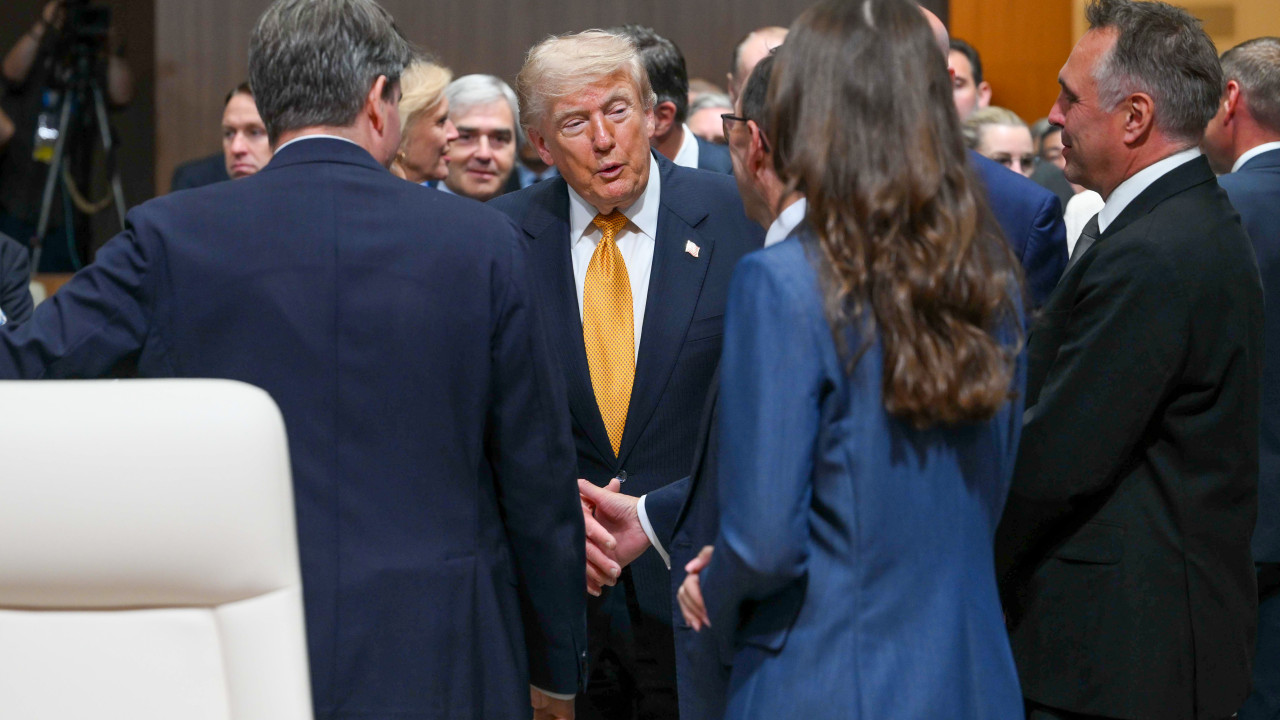
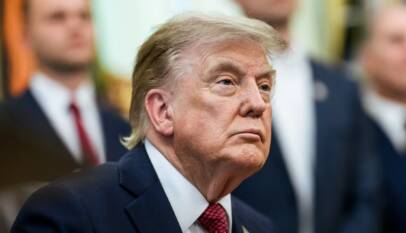
Ankara, July 2026 : US President Donald Trump on Wednesday claimed that he remains Iran’s primary assassination target but insisted that the threat would not deter him from pursuing policies aimed at preventing Tehran from acquiring nuclear weapons. Speaking after the NATO summit in Ankara, Trump defended recent US military action against Iran, declared the campaign a major success, and warned that Washington would respond with even greater force if Tehran launched fresh attacks.
Addressing reporters, Trump said he was fully aware of repeated threats allegedly issued by Iran against him but maintained that protecting US national security outweighed any personal risk.
“I’m number one on the kill list for Iran,” Trump said, adding that he was not concerned about the threats. “I’m doing my job. I’m doing what’s right for the country and for the world.”
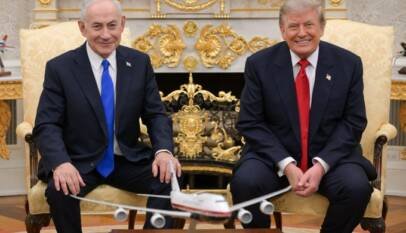
The President dismissed speculation that security concerns had prompted changes to his travel arrangements after the summit. Responding to reports that he was returning to Washington aboard a different aircraft because of possible Iranian threats, Trump clarified that the new presidential aircraft was instead flying to a US military base in Europe to allow American troops to view it.
“It’s flying to Europe to one of the big bases so the soldiers can see it because it’s truly magnificent,” he said.
Despite brushing aside questions over his personal safety, Trump acknowledged that serving as President carried enormous risks.
“The life of a President is very dangerous,” he remarked. “Maybe if I had known years ago, I wouldn’t have run.”
Throughout the summit, Trump repeatedly linked the alleged threats against him to his administration’s tough stance on Iran, particularly its efforts to dismantle Tehran’s nuclear programme.
“They will never have a nuclear weapon,” he declared, describing that objective as the central reason behind recent American military operations.
Trump asserted that the US campaign had severely weakened Iran’s military capabilities, claiming its armed forces had suffered devastating losses.
“The Iran war has been a tremendous military success,” he said. “We denuclearised Iran, and that’s happened.”
According to Trump, Iran’s air force, naval assets, radar systems and military infrastructure had been extensively damaged.
“They have no military left,” he claimed. “Their air force is gone. Their ships are gone. Their radars are gone. Everything’s gone.”
The President also alleged that several senior Iranian military leaders had been eliminated during the campaign.
“They had another set of leaders—they’re gone. Now they have another set of leaders. They may be gone. Who knows?” he remarked.
Trump further accused Iran of violating what he described as a temporary humanitarian understanding reached during funeral ceremonies for those killed in the conflict.
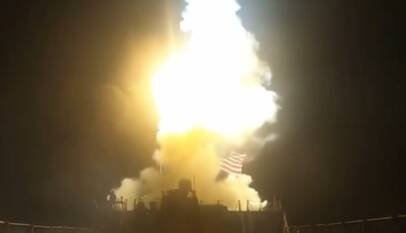
“They asked us not to attack during the funeral. We respected that,” he said. “Instead, they started shooting rockets at ships. So we hit them very hard.”
He warned that any future Iranian attacks would invite an even stronger American response.
“Every time they hit, we hit ten times harder,” Trump said. “We’re not looking for a long-term war, but they have to understand there are consequences.”
US Defence Secretary Pete Hegseth, who accompanied the President, said American forces had targeted Iranian military assets used to threaten international shipping in the Strait of Hormuz.
According to Hegseth, the strikes focused on underground missile and drone storage facilities, coastal defence installations, radar stations and surveillance systems supporting attacks on maritime traffic.
“If necessary, we are prepared to strike even more,” Hegseth said.
Trump also suggested that the United States could reimpose a maritime blockade targeting Iran if tensions escalated further.
“We may put the blockade back,” he said, stressing that any restrictions would apply specifically to Iran.
The President revealed that the United States was closely monitoring Iran’s nuclear facilities through satellite and space-based surveillance.
“We have cameras on the sites—that’s called Space Force,” Trump said. “If anybody goes there, they get blown up. Nobody’s going to touch those facilities.”
Although members of his administration remain engaged in diplomatic contacts with Tehran, Trump expressed little optimism about renewed negotiations.
“As far as I’m concerned, it’s over,” he said, accusing Iranian officials of negotiating in bad faith. “We make a deal, everyone agrees, then they go outside and say they never discussed it.”
However, he stopped short of ending diplomacy altogether, saying envoys Steve Witkoff and Jared Kushner remained free to continue discussions if circumstances warranted.
NATO Secretary General Mark Rutte publicly backed the US response, saying Iran’s nuclear and ballistic missile capabilities posed a serious threat and needed to be curtailed. He described the American action as a strong and necessary response.
The developments come amid heightened tensions across the Gulf, with the Strait of Hormuz remaining one of the world’s most critical energy corridors. Any escalation in the region has the potential to disrupt global oil supplies, raise shipping costs and intensify geopolitical uncertainty.
(The content of this article is sourced from a news agency and has not been edited by the Mavericknews30 team.)



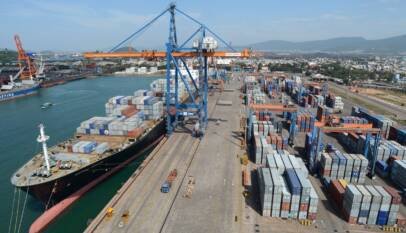
Delivery Of Second Indigenous Diving Support Vessel – ‘Nipun’
‘Nipun’ the second Diving Support Vessel (DSV), built by Hindustan Shipyard Limited&n…
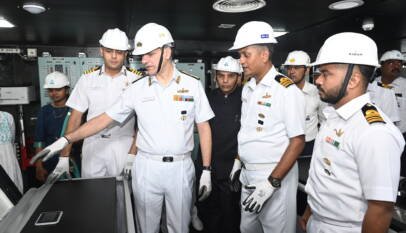
Delivery Of Second Indigenous Diving Support Vessel – ‘Nipun’
‘Nipun’ the second Diving Support Vessel (DSV), built by Hindustan Shipyard Limited was delivered to the …