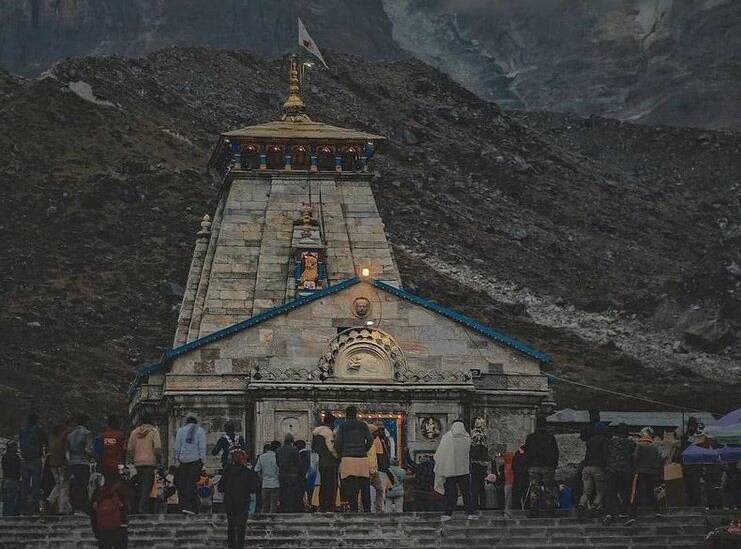
Mahashivratri Celebrated Across India With Devotion, Fasting, and Night-Long Worship

Feb 2026 : Mahashivratri, one of the most sacred festivals in the Hindu calendar, was celebrated with deep devotion, spiritual fervour, and traditional rituals across India as millions of devotees paid homage to Lord Shiva, the symbol of renunciation, cosmic energy, and transformation. Literally meaning “the Great Night of Shiva,” Mahashivratri holds immense religious and philosophical significance and is observed annually on the 14th night of the dark fortnight of the month of Phalguna, according to the Hindu lunar calendar.
From ancient temples and riverbanks to modern cities and rural hamlets, the night resonated with chants of “Om Namah Shivaya,” as devotees undertook fasting, meditation, and night-long vigils in honour of the deity revered as the destroyer of evil and the harbinger of renewal.
Spiritual Significance of Mahashivratri
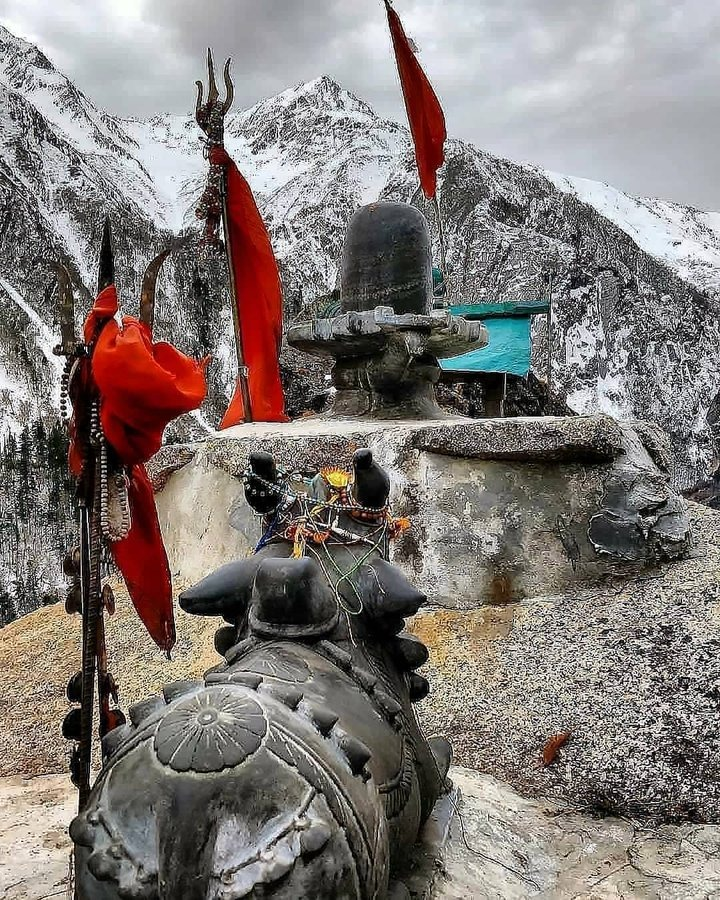
Mahashivratri is believed to mark several important events in Hindu mythology. Many devotees observe the festival as the divine wedding anniversary of Lord Shiva and Goddess Parvati, symbolising the union of consciousness and energy. Others associate the night with Shiva’s cosmic dance, the Tandava, which represents the cycle of creation, preservation, and dissolution. Another belief holds that Mahashivratri is the night when Lord Shiva manifested himself in the form of the Shivling, making it a spiritually powerful occasion for worship and self-realisation.
Spiritually, Mahashivratri is considered an auspicious time for inner awakening. It is believed that staying awake throughout the night in prayer and meditation helps devotees overcome ignorance, ego, and negative tendencies, leading them towards liberation and inner peace.
Auspicious Timing and Observance
The festival is observed on Chaturdashi Tithi, with special importance given to the Nishita Kaal, the most sacred period for Shiva worship during the night. Devotees perform puja in four phases, corresponding to the four quarters of the night, each accompanied by prayers, offerings, and recitation of sacred hymns.
Unlike many other Hindu festivals that are marked by celebration during the day, Mahashivratri is unique in its emphasis on nocturnal worship, symbolising vigilance, discipline, and spiritual focus.
Rituals and Traditional Practices
Devotees observe various forms of fasting on Mahashivratri, ranging from Nirjala Vrat (fasting without water) to fruit-based or milk-based fasts. The fast is broken the following morning after offering prayers to Lord Shiva.
Central to the rituals is the Abhishek of the Shivling, performed with sacred substances such as water, milk, curd, honey, ghee, and sugarcane juice. These offerings symbolise purification of the body, mind, and soul. The Shivling is also adorned with Bilva Patra (bel leaves), which hold special significance in Shiva worship, along with flowers, fruits, incense, and sacred ash (bhasma).
Throughout the night, temples echo with bhajans, kirtans, and recitation of Shiva mantras, while devotees engage in meditation and introspection.
Temple Celebrations and Pilgrimage Centres
Major Shiva temples across the country witnessed massive gatherings of devotees. Long queues were seen outside prominent temples from the early hours of the morning, with pilgrims patiently waiting to offer prayers. Special decorations, illuminated temple complexes, and elaborate aartis marked the celebrations.
At several Jyotirlinga temples, including those in north, south, east, and western India, authorities arranged special darshan facilities to manage the heavy footfall. The spiritual atmosphere was heightened by continuous chanting and ceremonial processions, reflecting centuries-old traditions.
Devotee Participation and Public Sentiment
Devotees from all walks of life—youth, elderly, families, saints, and ascetics—participated enthusiastically in the observances. Many shared that Mahashivratri offers a moment of pause in a fast-paced world, allowing them to reconnect with faith and self-discipline.
Priests and spiritual leaders highlighted that Lord Shiva represents simplicity, detachment, and compassion, urging people to imbibe these values in daily life. For many, the festival is not just a religious ritual but a reminder of moral balance, restraint, and spiritual awareness.
Administrative and Security Arrangements
Given the large turnout, state administrations and local authorities made extensive arrangements to ensure smooth conduct of the festival. Police personnel were deployed for crowd management, with barricading and regulated entry systems at major temples. Traffic diversions were implemented in temple towns to avoid congestion.
Health camps, drinking water facilities, sanitation services, and emergency response teams were set up to assist devotees. Surveillance through CCTV cameras and control rooms helped authorities monitor crowd movement, especially during peak night hours.
Holy Dips and Associated Fairs
In several regions, Mahashivratri was marked by ritual bathing in sacred rivers, which devotees believe purifies sins and grants spiritual merit. Riverbanks and ghats witnessed large gatherings, with pilgrims taking holy dips before proceeding to temples.
In some areas, traditional fairs and melas coincided with the festival, showcasing local culture, handicrafts, devotional music, and folk traditions, adding a cultural dimension to the religious observance.
Regional Variations in Celebration
Mahashivratri is celebrated with regional flavours across India. While some states emphasise temple rituals and pilgrimages, others integrate folk performances, community feasts, and cultural programmes. Despite variations in customs, the core essence of devotion to Lord Shiva remains common across regions.
Spiritual Message and Contemporary Relevance
Beyond rituals, Mahashivratri carries a timeless message. Lord Shiva’s life symbolises renunciation without withdrawal, destruction that leads to creation, and power balanced by compassion. In modern times, the festival encourages introspection, self-control, and harmony with nature.
Many spiritual leaders also highlighted the importance of eco-friendly practices, urging devotees to minimise waste, avoid plastic offerings, and respect the environment during celebrations.
Conclusion
As dawn broke after the sacred night, devotees concluded their fasts with prayers, carrying home a sense of spiritual fulfilment and renewed faith. Mahashivratri once again demonstrated the enduring strength of India’s cultural and spiritual traditions, uniting millions in devotion, discipline, and reflection.
The festival stood as a reminder that in the stillness of the night, amidst chants and flickering lamps, lies an opportunity for inner transformation—true to the spirit of the Great Night of Shiva.





FIFA Chief Infantino Hails Messi’s ‘Timeless Brilliance’ After Record-Equalling World Cup Feat
New Delhi, June 2026 : FIFA President Gianni Infantino has showered praise on Lionel Messi…

FIFA Chief Infantino Hails Messi’s ‘Timeless Brilliance’ After Record-Equalling World Cup Feat
New Delhi, June 2026 : FIFA President Gianni Infantino has showered praise on Lionel …