US Military Strikes on Iran Cost $5.6 Billion in First Two Days, Report Says

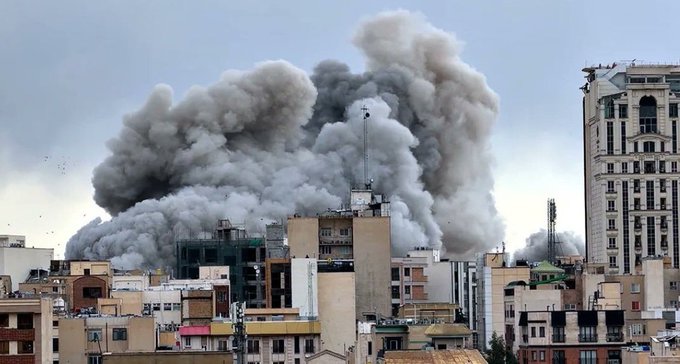
Washington, March 2026 :The opening phase of the United States’ military campaign against Iran has already cost an estimated $5.6 billion in munitions during the first two days of strikes, according to a report by The Washington Post. The figure highlights the enormous financial burden of the conflict even as Donald Trump has suggested the war could end sooner than expected.
The estimate, based on information reportedly shared with members of United States Congress, reflects the cost of advanced weapons deployed during the initial phase of the assault. It has also triggered a growing debate in Washington over how long the United States can sustain such an intense and expensive military campaign.
According to US officials cited in the report, the United States Department of Defense used approximately $5.6 billion worth of high-end munitions during the first wave of strikes. These weapons were part of a large-scale operation targeting military infrastructure across Iran.
However, the reported amount covers only the cost of the weapons used in the first two days of combat. It does not include the broader operational expenses associated with the campaign, such as deploying troops and equipment, operating aircraft and naval vessels, or maintaining military assets stationed across the region.
Officials informed lawmakers that the figure was presented to Congress as the administration prepares to request additional funding to sustain the military operation if it continues for an extended period.
The financial implications come amid reports that US forces have already conducted thousands of strikes across Iran since the campaign began. The high tempo of military activity has raised concerns among lawmakers and defence planners that American forces could rapidly deplete their reserves of advanced weaponry.
The issue is particularly sensitive because US stockpiles of certain high-end munitions have already been stretched by years of supporting Ukraine during the ongoing Russia–Ukraine War, while also maintaining strong military commitments in the Indo-Pacific.
In response to the demands of the new campaign, US defence planners have begun shifting some resources from other regions to support operations in the Middle East. According to the report, components of the Terminal High Altitude Area Defense system have been moved from South Korea to the region to strengthen missile defence capabilities.
The Pentagon has also deployed additional MIM-104 Patriot interceptors to counter potential Iranian drone and ballistic missile attacks targeting US forces and allied assets.
Defence analysts warn that diverting these systems could create strategic vulnerabilities elsewhere. Mark Cancian, who monitors American weapons inventories, cautioned that extensive use of missile defence systems in the Middle East could weaken US preparedness in other critical theatres.
“The more THAADs and Patriots you shoot, the more risk you assume in the Indo-Pacific and in Ukraine,” Cancian said, according to the report.
The conflict has also taken a human toll. According to US officials cited in media reports, seven American service members have died since the war began. Six were killed in an Iranian drone strike in Kuwait, while another soldier succumbed to injuries sustained in an attack in Saudi Arabia.
As the military campaign continues, the rising costs and strategic risks are likely to intensify scrutiny in Washington over the long-term sustainability of the conflict.
(The content of this article is sourced from a news agency and has not been edited by the Mavericknews30 team.)





Mumbai Indians Opt to Bat Against Sunrisers Hyderabad After Winning Toss in IPL 2026 Clash
Mumbai, April 2026 : Mumbai Indians won the toss and elected to bat first against Sunriser…

Mumbai Indians Opt to Bat Against Sunrisers Hyderabad After Winning Toss in IPL 2026 Clash
Mumbai, April 2026 : Mumbai Indians won the toss and elected to bat first …