Egypt Leads Diplomatic Push for De-escalation Amid Rising Middle East Tensions

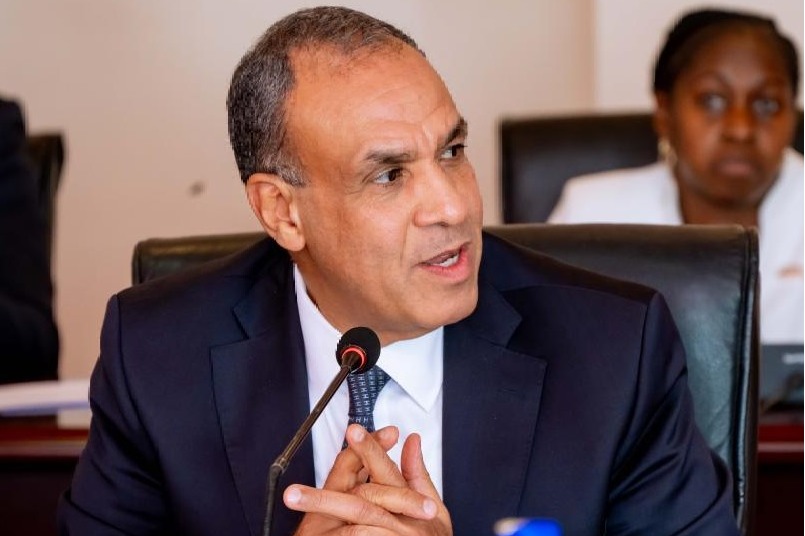
Cairo, March 29: Egypt has intensified diplomatic efforts to ease escalating tensions in the Middle East, with Foreign Minister Badr Abdelatty holding a series of high-level phone discussions with counterparts from Saudi Arabia, Jordan, and Germany, as well as officials from the European Commission. The consultations focused on coordinated steps to prevent further deterioration of the regional situation, according to an official statement from Egypt’s Foreign Ministry.
During the calls, all sides underscored the urgent need for “immediate de-escalation,” stressing that dialogue and diplomacy remain the only viable path to avoid a broader conflict. Officials warned that continued escalation could push the region toward widespread instability with unpredictable and potentially catastrophic consequences. The discussions highlighted a shared commitment to prioritising peaceful solutions over military confrontation.
A key aspect of the talks was Egypt’s ongoing role in facilitating negotiations between the United States and Iran. Abdelatty reviewed Cairo’s coordination with regional and international partners aimed at advancing dialogue between the two sides. These efforts are intended to defuse the current crisis and prevent repercussions that could extend beyond the Middle East and impact global stability.
Earlier in the day, Abdelatty departed for Islamabad to participate in a quadrilateral ministerial meeting alongside his counterparts from Pakistan, Saudi Arabia, and Turkey. The meeting is expected to focus on the ongoing military escalation and explore collective strategies to reduce tensions and restore stability in the region.
Meanwhile, Turkey also voiced strong concern over the situation. Turkish Foreign Minister Hakan Fidan, speaking at the International Strategic Communication Summit in Istanbul, called for maximum restraint from all parties involved. He cautioned that further escalation could result in long-term damage, not only physically but also socially and psychologically across the region.
Fidan warned that deepening conflict could intensify existing divisions and destabilise countries with interconnected histories. “This conflict could seriously deepen existing wounds and impact not only cities but also people’s hearts and minds,” he said, emphasising the far-reaching consequences of prolonged instability.
Reaffirming Turkey’s opposition to military escalation, he urged all sides to return to diplomatic engagement and avoid actions that could spiral into a wider regional crisis.
These diplomatic efforts come against the backdrop of heightened tensions following joint US-Israeli strikes on Iran beginning February 28, and subsequent retaliatory actions by Iran and its allies targeting US and Israeli interests. The situation remains fragile, with global and regional powers racing to contain the crisis through sustained diplomatic engagement.
(The content of this article is sourced from a news agency and has not been edited by the Mavericknews30 team.)




IDF Chief’s Warning On Israeli Military Collapse Will Boost Iran In Accelerating The Attacks.
Tehran; March 2026: : Iran’s Parliament Speaker Mohammad Baqer Ghalibaf on 28th Marc…
Egypt Leads Diplomatic Push for De-escalation Amid Rising Middle East Tensions
Cairo, March 29: Egypt has intensified diplomatic efforts to ease escalating tensions in the …