
Namami Gange Transforms Uttarakhand: 37 Projects Completed, 50 STPs Boost Capacity to 200 MLD

Dehradun/Lucknow/New Delhi, April 2026: The long-standing vision of ensuring a “clean and uninterrupted Ganga” in Uttarakhand is now clearly visible on the ground. Under the Namami Gange programme, not only have 37 projects been completed, but there has also been a historic tenfold increase in sewage treatment capacity. Before 2014, the capacity stood at just 18 MLD (million litres per day), which has now expanded to 200 MLD. The impact of this transformation is expected to be evident during the upcoming Ardh Kumbh, where devotees will take a holy dip in significantly cleaner waters of the Ganga.
The success of the programme in the state is reflected in the fact that out of 170 drains flowing into the river, 155 have already been tapped. Work is progressing rapidly on the remaining 15 drains, with 11 new sewage treatment plants (STPs) under construction.
A Unique Blend of Technology and Infrastructure
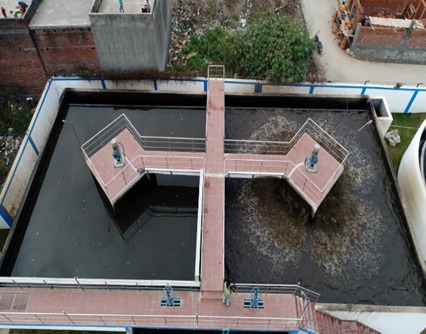
According to Nalin Kumar Srivastava, Deputy Director General of the National Mission for Clean Ganga (NMCG), a total of 37 projects have been completed in Uttarakhand under the initiative. As a result, 50 sewage treatment plants with a combined capacity of 200 MLD have been established across the state. This expansion has played a crucial role in preventing untreated wastewater from entering the river.
Beyond infrastructure, digital innovation has also been introduced through the ‘Ganga Pulse Portal’, which enables real-time monitoring of STP performance. Being available in the public domain, the portal ensures transparency and accountability in operations.
Digital Monitoring Strengthens Pollution Control
To enhance field-level monitoring, a tool called the ‘Drain Dashboard’ has proven highly effective. It tracks drains flowing into the river in real time, providing updates on their tapping status and diversion of sewage to treatment facilities. This system allows for quick identification of pollution risks and ensures timely intervention, thereby improving overall efficiency and transparency.
Strategic Approach for Hilly Terrain
Given Uttarakhand’s challenging mountainous geography, an ‘interception and diversion’ strategy has been adopted. Laying extensive underground sewer networks in such terrain is difficult, so wastewater from open drains is intercepted before reaching the river and diverted for treatment.
Experts believe this method is more effective than traditional underground systems, as it eliminates pollution at the source itself before it can enter the river.
Improving Health of the Ganga: CPCB Report
The Central Pollution Control Board’s (CPCB) Water Quality Report 2025 confirms the success of these efforts. According to the report, the Ganga in Uttarakhand now falls under the “unpolluted” category. The Biochemical Oxygen Demand (BOD) level is below 3 mg/litre, which meets the standard for a healthy river. Additionally, dissolved oxygen (DO) levels are suitable for aquatic life.
Biological assessments indicate that water quality ranges from “very good” to “good,” marking a significant improvement.
Revival of Ecology and Biodiversity
Efforts to clean the Ganga go beyond sewage management. Large-scale afforestation and restoration of aquatic biodiversity have also been undertaken. The increase in fish species in the river is a clear indicator of improving ecological health.
Experts believe that Uttarakhand’s model could serve as a benchmark for downstream plains in the coming years. Today, the Ganga in the state is not only a centre of faith but also meets global standards of cleanliness.
Key Highlights:
- Total completed projects: 37
- New STPs installed: 50
- Total treatment capacity: 200 MLD
- Drains tapped: 155 out of 170
- Monitoring tools: Ganga Pulse Portal and Drain Dashboard




Amarnath Yatra Crosses Four Lakh Pilgrims as Devotees Continue Sacred Journey
Srinagar, July 2026 : The annual Shri Amarnath Ji Yatra achieved a significant milestone o…
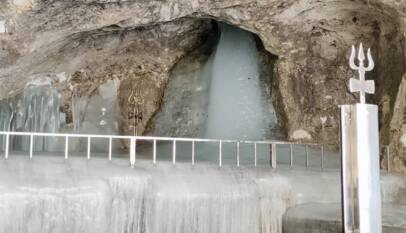
Amarnath Yatra Crosses Four Lakh Pilgrims as Devotees Continue Sacred Journey
Srinagar, July 2026 : The annual Shri Amarnath Ji Yatra achieved a significant milestone …