Leaders Reject Owaisi’s ‘Young PM’ Pitch, Say India’s Voters Decide the Nation’s Leadership

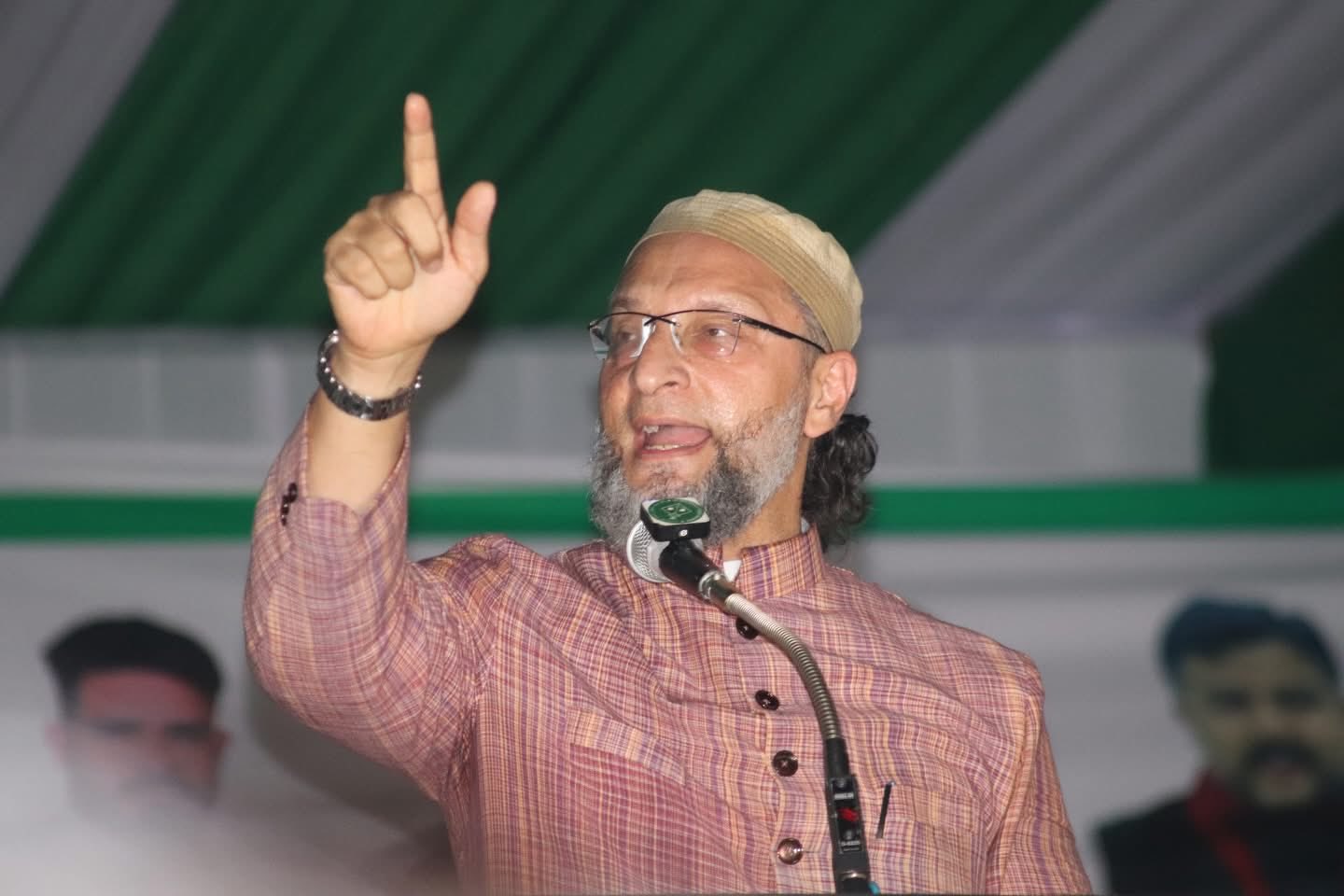
New Delhi, July 2026: A political debate over age and leadership gathered momentum on Sunday after AIMIM president Asaduddin Owaisi said that India should have a Prime Minister in his 40s rather than an 80-year-old leader following the 2029 Lok Sabha elections. His remarks triggered sharp reactions from leaders across the political spectrum, who stressed that in a democracy, the choice of Prime Minister ultimately rests with the people, not with any individual or political party.
Speaking at a public rally on Saturday, Owaisi highlighted India’s youthful demographic profile, noting that nearly 65 per cent of the population is below the age of 35, while around half the country is under 25 years old. He said his party would focus on fielding young candidates in the upcoming Uttar Pradesh Assembly elections to provide greater representation to the aspirations of the country’s youth. Owaisi added that his long-term goal was to see a leader aged 40 or 45 become Prime Minister after the 2029 general elections.
The statement drew an immediate response from the Bharatiya Janata Party (BJP). Party spokesperson Pratul Shah Deo questioned why age was being made a political issue, pointing out that several world leaders have continued to hold office effectively despite being in their later years. He accused Owaisi of attempting to create a political narrative based on identity politics and reiterated that under Prime Minister Narendra Modi’s leadership, India has emerged as one of the world’s fastest-growing major economies.
BJP leader R.P. Singh also criticised Owaisi’s remarks, alleging that opposition parties were trying to use the sentiments of young people for political gain. He maintained that the Modi government has consistently prioritised the welfare of students and youth through various initiatives and argued that leadership should be judged by performance rather than age.
Congress leader Rakesh Sinha offered a broader constitutional perspective, stating that India’s democratic system allows citizens of all eligible ages to contest elections. He emphasised that once elections are concluded, it is the elected representatives of the winning party who choose their leader, while the ultimate authority remains with the voters. According to him, neither age nor political rhetoric determines who becomes Prime Minister—only the democratic mandate does.
Congress MP Sukhdeo Bhagat also responded by saying that every citizen and political leader has the right to express personal opinions in a democracy. Referring to Leader of Opposition Rahul Gandhi, Bhagat described him as a visionary leader committed to nation-building and said every political party is entitled to present its own vision for the country’s future.
Owaisi’s remarks have added a new dimension to the political discourse ahead of the 2029 general elections, with parties debating whether generational change should become a central electoral issue. While the AIMIM chief has projected youth leadership as a priority, leaders from other parties have underlined that India’s democratic process—not age alone—will determine who occupies the country’s highest elected office.

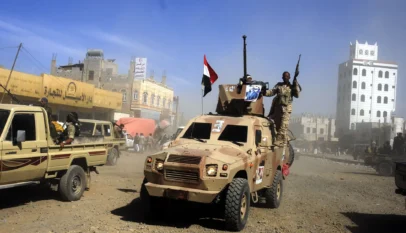
Houthis Claim Drone Shootdown as Red Sea Tensions Continue to Escalate
Sanaa, July 2026 : Yemen’s Houthi movement on Sunday claimed it had shot down a Saud…
Houthis Claim Drone Shootdown as Red Sea Tensions Continue to Escalate
Sanaa, July 2026 : Yemen’s Houthi movement on Sunday claimed it had shot down …