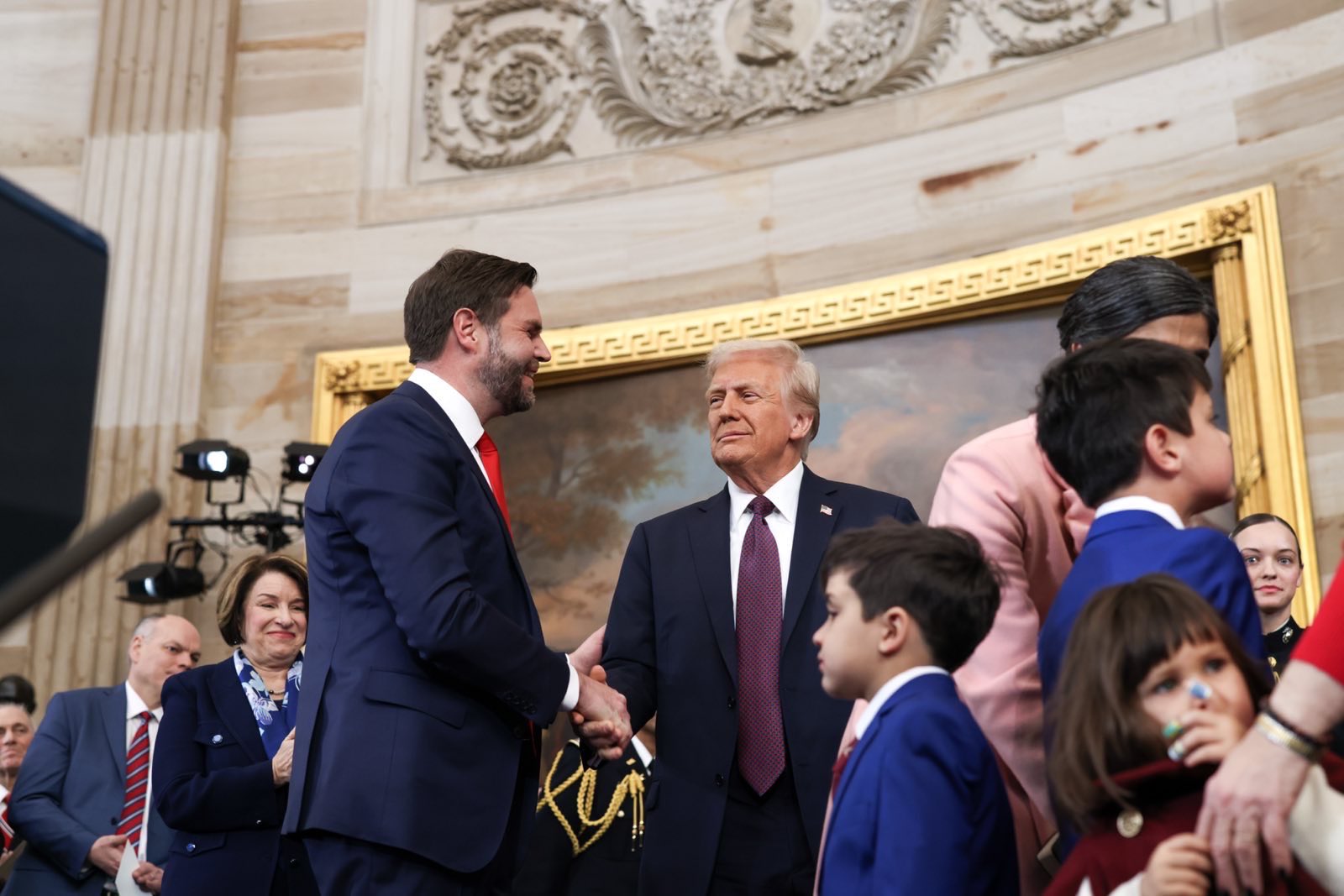
Fragile US-Iran Ceasefire Faces Early Strain, Says JD Vance

Washington, April 2026 : A newly brokered ceasefire between the United States and Iran is already showing signs of strain, with US Vice President JD Vance describing the agreement as a “fragile truce” vulnerable to internal divisions within Iran’s leadership.
Speaking at an event in Budapest, Vance cautioned that while the ceasefire marked a temporary halt in hostilities, its long-term stability remained uncertain. “That is the basis of this fragile truce that we have,” he said, noting that the agreement was only “eight to 12 hours old” at the time of his remarks.
The ceasefire followed a firm ultimatum issued by President Donald Trump, who demanded that Iran reopen key maritime routes and cease actions that had disrupted global trade. Central to the agreement was the reopening of the Strait of Hormuz, a critical passage for global oil shipments.
“He said, open up the straits… and we’ll engage in a ceasefire,” Vance explained, outlining the core condition that led to the truce. Under the arrangement, Iran agreed to restore navigation through the vital waterways, while the United States and its allies halted ongoing military strikes.
Despite this breakthrough, Vance warned that internal disagreements within Iran could jeopardize the deal. “You have, on the one hand, people within Iran who responded very favourably… and then you have some people who are basically lying about what we’ve accomplished,” he said. According to him, conflicting narratives emerging from Tehran about the nature of the agreement and the ceasefire terms are undermining trust.
“They’re lying about the nature of the agreement. They’re lying about the nature of the ceasefire,” Vance added, stressing that such contradictions make the truce inherently unstable.
The Vice President emphasized that while the United States is open to diplomacy, its patience is not unlimited. He said President Trump had instructed negotiators to engage constructively but made it clear that the US retains significant leverage.
“The President has told us to negotiate in good faith,” Vance said. “If they negotiate in good faith, we will be able to find a deal.” However, he issued a stern warning: “If they’re going to lie, if they’re going to cheat… then they’re not going to be happy.”
Vance highlighted the “clear military, diplomatic, and extraordinary economic leverage” available to Washington should the ceasefire collapse. He noted that the US had already achieved its primary military objectives before agreeing to the pause.
“What the President set out to do was decimate the Iranian military… and that objective has been achieved,” he said.
For now, the ceasefire represents a narrow diplomatic opening after a period of intense escalation. However, Vance stressed that the next phase depends entirely on Iran’s conduct at the negotiating table.
“Ultimately, it’s up to the Iranians how they negotiate,” he said. “I hope they make the right decisions.”
As global attention remains focused on the evolving situation, the fragile truce underscores both the possibility of de-escalation and the risks of renewed confrontation in a region critical to global stability.
(The content of this article is sourced from a news agency and has not been edited by the Mavericknews30 team.)



Lower Global Crude Prices Won’t Immediately Reduce Fuel Rates in India: Suresh Gopi
New Delhi, June 2026 : A fall in international crude oil prices does not automatically res…

Lower Global Crude Prices Won’t Immediately Reduce Fuel Rates in India: Suresh Gopi
New Delhi, June 2026 : A fall in international crude oil prices does not …