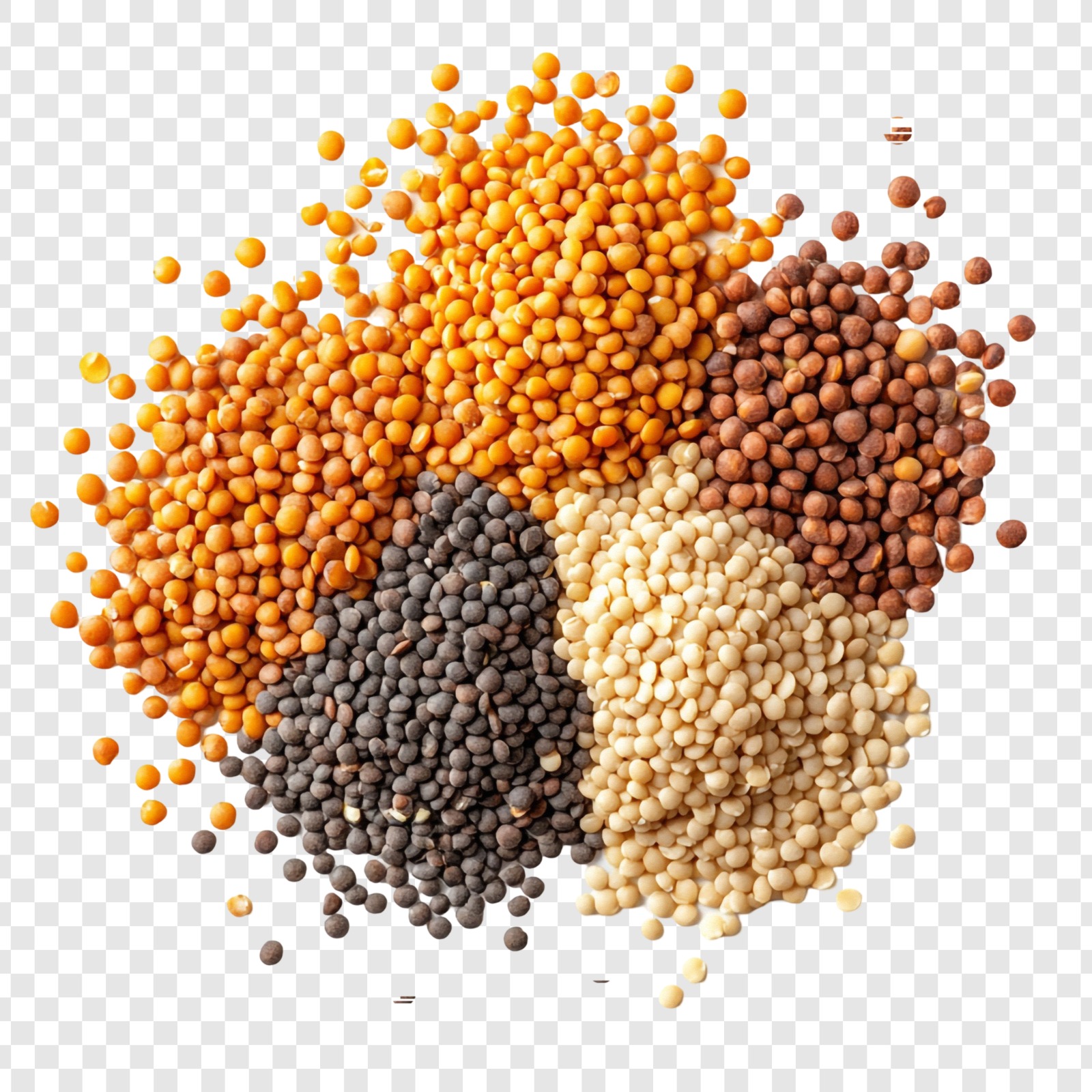
Centre Advises States to Align Bonus Policy with Pulses, Millets Push

The Central Government’s communication to States reflects a constructive & positive approach aimed at strengthening India’s long-term food and crop security
Recently, Chief Minister of Tamil Nadu, in a speech, has referred to a letter issued by Department of Expenditure, Ministry of Finance, with regard to the bonus provided by State Governments.
In this context, it is stated that the Secretary, Department of Expenditure, Ministry of Finance, had issued a D.O. letter dated 09.01.2026 to the Chief Secretaries of States to align their bonus policy to promote pulses, oilseeds and millets, in line with the national priorities for nutritional security, Aatmanirbharta (self-reliance) and sustainable agriculture. The letter was an advisory to states and was not directive.
The communication to States reflects a constructive & positive approach aimed at strengthening India’s long-term food and crop security:
- The Government of India announces the Minimum Support Price (MSP) for various crops to support farmers. However, in many states, especially in northern India, crop production remains heavily skewed toward wheat and paddy. When State Governments announce an additional bonus over and above MSP for these crops, it further encourages their cultivation, leading to reduced acreage under pulses, oilseeds, and millets, greater environmental stress due to water- and fertilizer-intensive farming, and higher import dependence for essential crops like pulses and edible oilseeds.
- Thus, the Government of India has taken a responsible and forward-looking position by encouraging greater crop diversification in the national interest. The larger objective is to discourage monoculture of wheat in certain parts of Northern India and Paddy in several states across India. By encouraging States to work towards sustainable agricultural practices that protect both farmers’ interests and national food security needs.
Expanding domestic production in pulses, edible oils, and oilseeds is essential not only for strategic and economic reasons, but also for farmer welfare. Domestic production of Pulses, oilseeds, and edible oil will reduce reliance on imports that are often exposed to international uncertainty, supply-chain disruptions, and price volatility, while strengthening nutritional security and promoting a more balanced and resilient crop pattern in the country.
- States and farmers across India have a long and rich tradition of cultivating pulses and oilseeds, and this letter aims to capitalize on this strength.
In a period when self-reliance in key food crops has become increasingly important, it is imperative that the States and the Centre work towards making India self-reliant in pulses and oilseeds.
- The Government of India has already taken several concrete steps to increase domestic production of pulses, oilseeds and edible oils. These include the Mission for Aatmanirbharta in Pulses, National Mission on Edible Oils–Oilseeds and National Mission on Edible Oils–Oil Palm.
The government has also consistently aligned MSP increases in favour of pulses and oilseeds to encourage farmers to shift away from over-concentration in a few crops. The Economic Survey 2025–26 also said imported edible oil dependence had fallen from 63.2% in 2015–16 to 56.25% in 2023–24, showing movement in the right direction. Between 2014–15 and 2024–25, the area under oilseeds increased by over 18 per cent, production by nearly 55 per cent, and productivity by about 31 per cent.
- The Government of India has taken various steps for the welfare of the farmers. Under PM-KISAN, monetary support of Rs 6,000/- is provided to over 9 crore farmers. Over 1.75 crore Soil Health Cards and 8,270+ testing labs ensure science-backed farming. PM Fasal Bima Yojana shields 4 crore farmers from weather risks. The Prime Minister Dhan-Dhaanya Krishi Yojana is transforming 100 low-performing Agri-districts by enhancing productivity, promoting crop diversification, augmenting post-harvest storage, improving irrigation, and facilitating agricultural credit, directly benefitting 1.7 crore farmers, ensuring that the most underserved farmers are reached first. Mega Food Parks have jumped from just 2 in 2014 to 41 in 2025 — 24 operational and 17 under implementation — strengthening post-harvest and processing infrastructure.
Thus, Government of India’s approach integrates research, improved seed dissemination, MSP-backed procurement support, processing infrastructure, and value-chain development to ensure farmer profitability. By promoting crop diversification, the profitability of farmers will further increase.
The letter was written with the intent for States to align their agricultural policies with broader national priorities and complement them. Alignment with such goals is not a burden on states; it is a shared responsibility that serves farmers, consumers and the country as a whole.
Any attempt to portray it as an imposition or to deliberately misread its purpose is a distortion of the record.




Maharashtra Shuts Schools Across Several Districts as Heavy Rain Alert Triggers Safety Measures
Mumbai, July 2026: Authorities across several districts in Maharashtra have declared a hol…

Maharashtra Shuts Schools Across Several Districts as Heavy Rain Alert Triggers Safety Measures
Mumbai, July 2026: Authorities across several districts in Maharashtra have declared a holiday for …