“Didi Ke Bakhri” Driving a New Revolution in Integrated Farming and Livelihoods in Kanker District

Raipur, April 2026 : A transformative rural initiative titled “Didi Ke Bakhri” is emerging as a powerful model for integrated farming and sustainable livelihoods in Chhattisgarh’s Kanker district. Combining activities such as vegetable cultivation, nutrition gardens, poultry farming, forest produce collection, and fish farming, the initiative is helping rural communities move towards prosperity, better health, and economic independence.
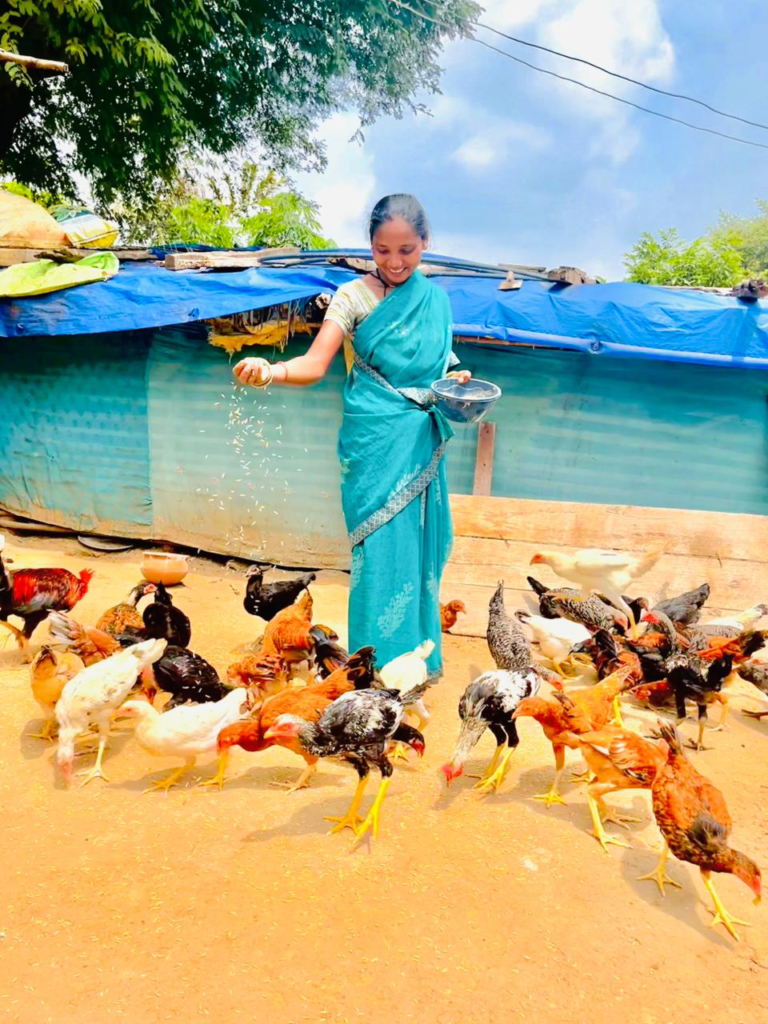
These integrated agricultural practices are becoming key pillars of rural development, providing families with fresh, nutritious vegetables and protein while also generating additional income. The initiative is particularly empowering women, inspiring many to adopt similar livelihood activities to improve their standard of living and boost household earnings.
Under the Bihan scheme in North Bastar Kanker district, extensive efforts are being made at various levels to enhance women’s livelihoods. A large number of women are actively engaged in income-generating activities, combining farming with allied sectors to double their earnings. By cultivating vegetables commercially in their household backyards (bakhri), and supplementing this with fish farming, poultry rearing, goat farming, and forest produce collection, women are steadily increasing their income.
The integrated farming model is currently being implemented across four development blocks—Narharpur, Kanker, Bhanupratappur, and Charama—covering four villages in each cluster. The primary goal of the scheme is to make women farmers financially self-reliant, with a target of raising their average monthly income to Rs 20,000–25,000.
The programme is being effectively implemented under the guidance of the Chief Executive Officer of the District Panchayat, North Bastar Kanker. Operating under the name “Didi Ke Bakhri,” the initiative currently involves 3,364 women farmers—1,200 in Narharpur, 790 in Kanker, 734 in Charama, and 640 in Bhanupratappur—who are engaged in diverse activities such as vegetable farming, nutrition gardens, poultry, forest produce collection, and fish farming.
For the financial year 2026–27, the district has set an ambitious target to include 10,780 more women in the programme, aiming to further enhance income opportunities. To support these activities, Livelihood Service Centres are being established at the cluster level, to be managed by the women themselves. These centres will provide essential inputs such as seeds, agricultural tools, and fertilizers.
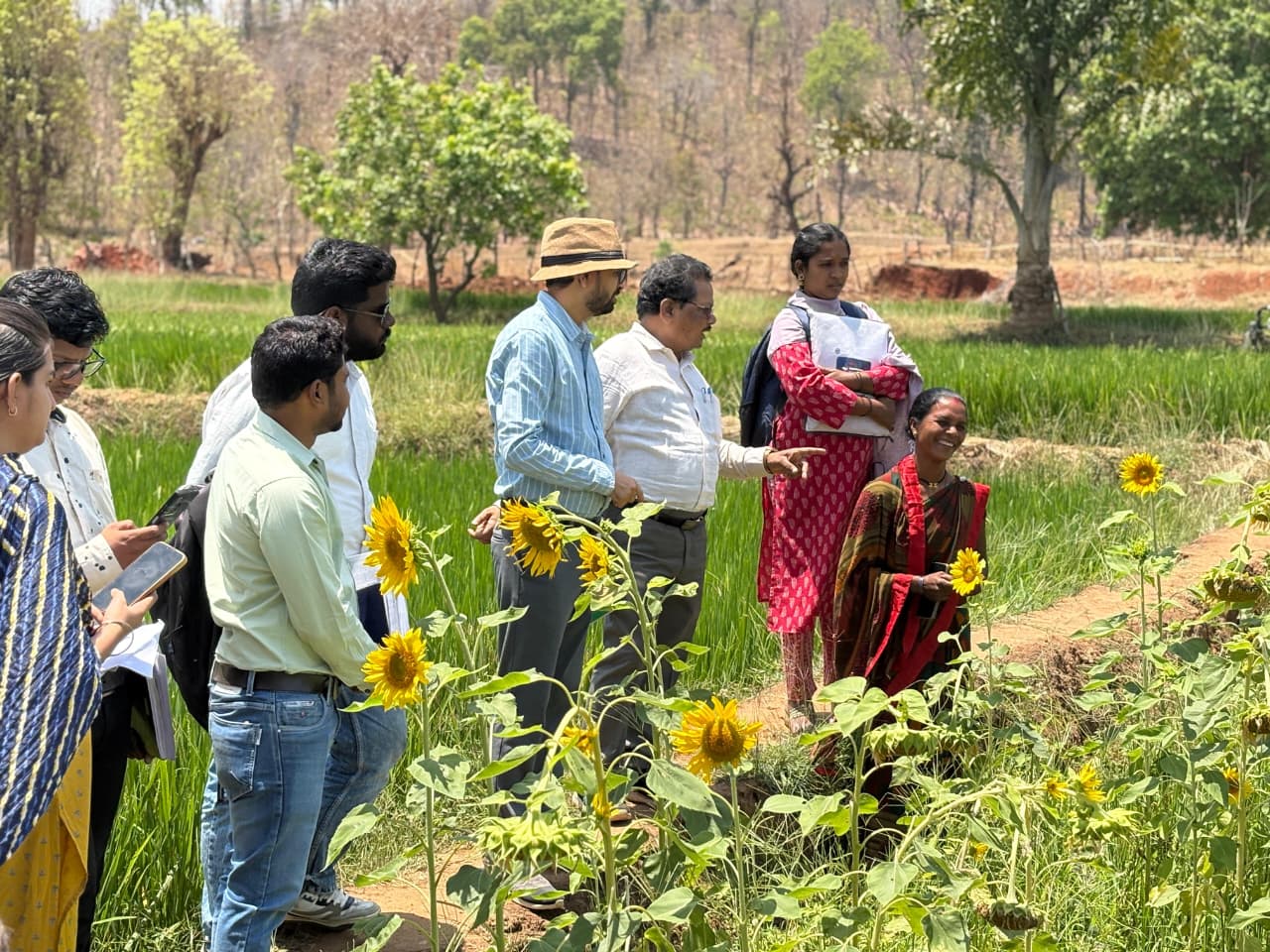
During recent field visits, district officials interacted with women farmers across Narharpur, Charama, Bhanupratappur, and Kanker to understand their work and progress. In remote villages like Rawas and Banspatar, the efforts of women like Surekha Netam were appreciated for cultivating grafted vegetables and managing poultry farming. She highlighted how leafy greens, root vegetables, and fruits help combat anaemia and provide essential nutrition to women and children.
Similarly, Namika Yadav from Themar village was praised for her work in forest produce collection along with poultry and fish farming. She noted that tribal communities earn additional income by collecting and selling products like mahua, tamarind, honey, lac, and medicinal herbs.
In Hatkarra village, Motin Darro demonstrated an innovative poultry-cum-fish farming model, where poultry waste is used as fish feed, reducing costs and increasing profits. Other women like Jamuna Korram and participants from Katholi village also shared insights into their livelihood activities and growing monthly incomes.
Overall, “Didi Ke Bakhri” is not just an agricultural initiative but a grassroots movement empowering rural women, promoting sustainable practices, and paving the way for inclusive economic growth in the region.

Portugal Part Ways with Roberto Martinez After World Cup Exit, Begin Search for New Head Coach
Lisbon, July 2026 : The Portuguese Football Federation (FPF) has officially confirmed the …

Portugal Part Ways with Roberto Martinez After World Cup Exit, Begin Search for New Head Coach
Lisbon, July 2026 : The Portuguese Football Federation (FPF) has officially confirmed the departure …