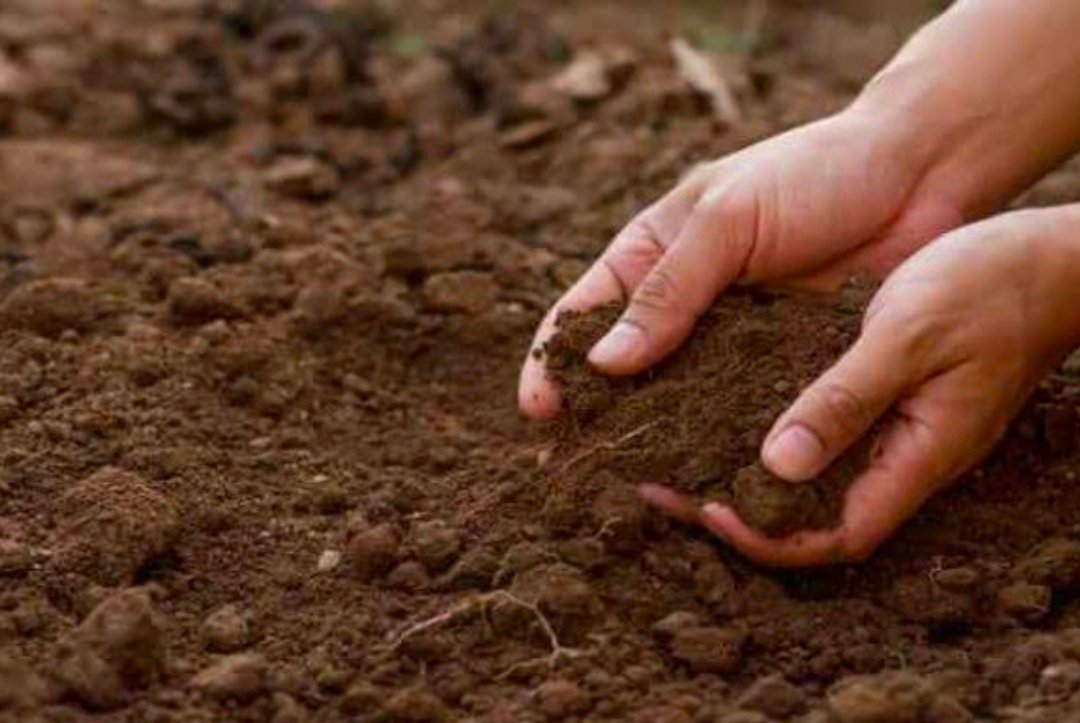
Farmers to Gain Higher Profits Through Soil Testing and Balanced Fertilizer Use

Raipur, May 2026 : Just as humans require a balanced diet to remain healthy, crops also need a balanced supply of nutrients for better growth and higher yield. Plants obtain oxygen from the atmosphere and water from external sources, while essential nutrients are drawn from the soil. Among these, nitrogen, phosphorus, and potassium are the key nutrients, and their deficiency is commonly found in most agricultural soils.
According to agricultural experts, the process of analysing the nutrient content of soil is known as soil testing. In soil testing laboratories, scientific analysis of farm soil is conducted, and fertilizer recommendations are made based on the specific needs of the crop. This helps farmers use fertilizers in a balanced manner and reduces unnecessary expenditure. Thus, it is clear that soil testing and balanced fertilizer use significantly benefit farmers by increasing productivity and reducing costs.
The use of fertilizers based on soil testing improves a plant’s ability to withstand natural stresses and enhances resistance against diseases. It also helps preserve the physical, chemical, and biological properties of the soil, ensuring stable agricultural production over time. Agricultural scientists compare the use of fertilizers without soil testing to taking medicine without consulting a doctor.
Soil testing helps in understanding the fertility of the land and the availability of nutrients. It also assists in determining the correct quantity of fertilizers required for specific crops, identifying problematic soil conditions and suggesting corrective measures, and improving long-term soil health through sustainable land use practices.
Experts have advised farmers to collect soil samples either after harvesting a crop or before sowing the next one. Soil should be collected from 8 to 10 different locations in a field at a depth of about 15 centimeters and mixed thoroughly. Around 500 grams of the mixed sample should then be placed in a polythene bag and sent to a soil testing laboratory for analysis.
Farmers are advised not to collect samples immediately after rainfall or irrigation. Wet soil should be avoided. Samples should not be taken from field boundaries, near canals, under tree shade, or close to manure pits. Soil should also not be collected immediately after burning crop residues.
According to the Agriculture Department, the cost of soil testing is very low, but its benefits are highly significant. Proper fertilizer use based on soil analysis reduces production costs and increases yield per unit area. This ultimately leads to higher income for farmers while maintaining soil fertility in the long run.
Special Article
L. Manikpuri, Om Dahariya
Assistant Public Relations Officers








Trump Vows Continued Military Pressure on Iran, Expresses Doubts Over Diplomacy
Washington, Aug 2026: US President Donald Trump has vowed to maintain military pressure on…

Trump Vows Continued Military Pressure on Iran, Expresses Doubts Over Diplomacy
Washington, Aug 2026: US President Donald Trump has vowed to maintain military pressure on …