PM Modi Receives Traditional Slovak Welcome in Historic First Visit to Slovakia

Bratislava, June 2026 : Prime Minister Narendra Modi arrived in Bratislava on Sunday evening for a landmark two-day State visit to Slovakia, becoming the first Indian Prime Minister to visit the Central European nation since its independence in 1993.
The historic visit marks a new chapter in India-Slovakia relations and is expected to strengthen cooperation across key sectors, including trade, investment, automobile manufacturing and railway infrastructure.
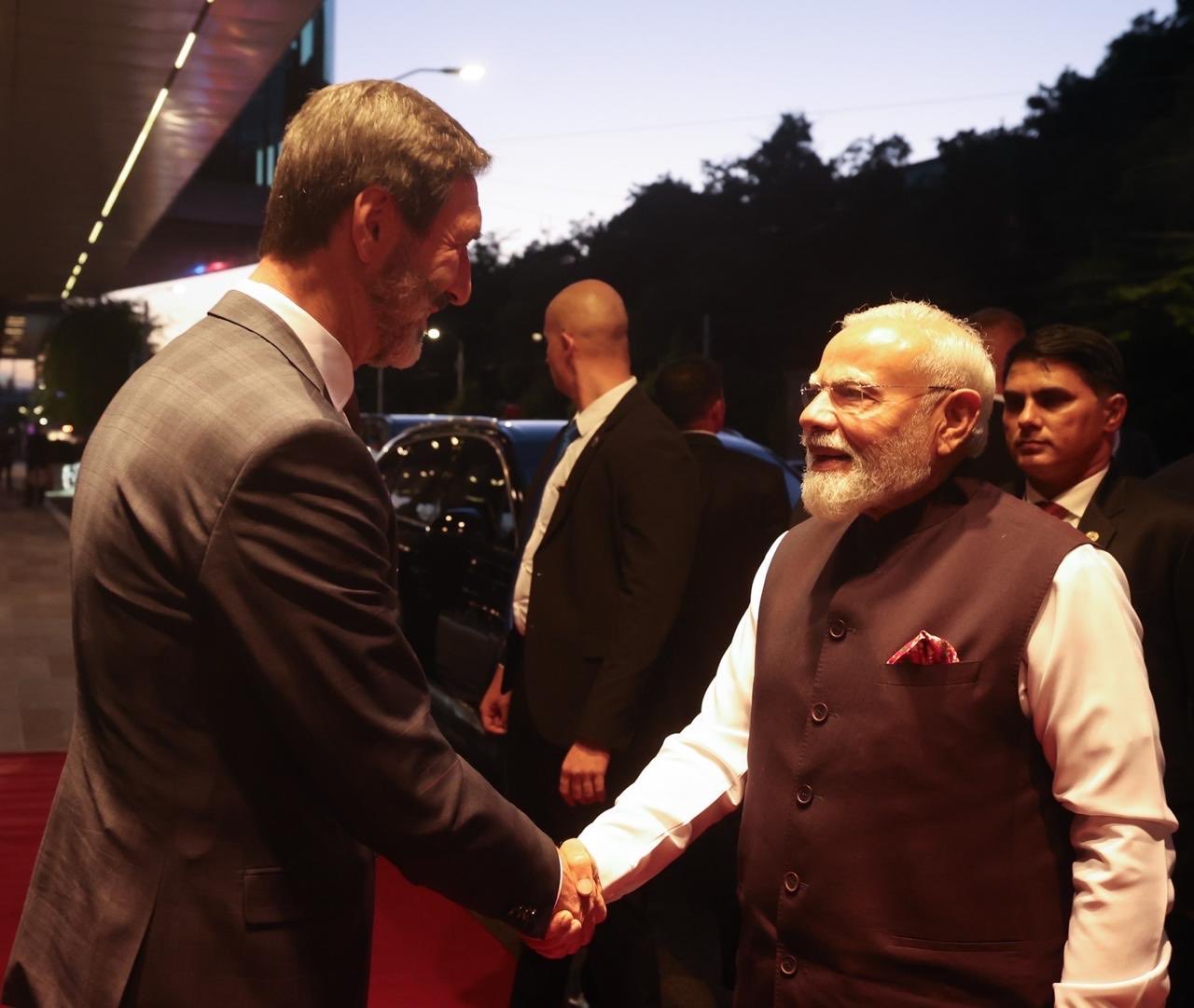
Upon his arrival in the Slovak capital, Prime Minister Modi was warmly received by Slovak Foreign and European Affairs Minister Juraj Blanar at the Grand Hotel River Park. Reflecting the country’s rich traditions, the Prime Minister was accorded a ceremonial welcome with bread and salt — a cherished Slovak custom symbolising prosperity, friendship, respect and goodwill.
In Slovak culture, bread signifies abundance and prosperity, while salt represents value, protection and enduring friendship. The traditional gesture highlighted the warmth and hospitality extended to the visiting Indian leader.
Adding to the grandeur of the occasion, the renowned Lucnica Ensemble welcomed Prime Minister Modi with cultural performances celebrating Slovakia’s folk heritage. A children’s folk group from the Myjava region performed a traditional Slovak dance, offering a glimpse into the nation’s vibrant cultural traditions.
One of the standout moments of the reception was a special rendition of “Vande Mataram” by the Lucnica Ensemble, reflecting the close cultural bonds between India and Slovakia. The Prime Minister also witnessed a spiritual performance by the Slovak musical group Mahadeva Kirtan Projekt, which showcased the growing interest in Indian spiritual traditions in Europe.
Prime Minister Modi also interacted with members of the Indian diaspora in Bratislava, who gathered in large numbers to welcome him. Enthusiastic supporters greeted the Prime Minister with cheers and expressions of pride as India’s ties with Slovakia reached a historic milestone.
In a post on social media platform X, Prime Minister Modi said: “Reached Bratislava. This visit provides an opportunity to deepen India-Slovakia relations and explore new avenues of cooperation. Looking forward to productive meetings with President Pellegrini and Prime Minister Fico.”
The Ministry of External Affairs also highlighted the significance of the visit. MEA spokesperson Randhir Jaiswal noted that the visit marks the first-ever trip by an Indian Prime Minister to Slovakia since its independence and is expected to open new avenues of partnership between the two countries.
Prime Minister Modi’s visit comes on the heels of growing high-level exchanges between India and Slovakia. It follows President Droupadi Murmu’s State visit to Slovakia in April 2025 and Slovak President Peter Pellegrini’s visit to India for the AI Impact Summit in February 2026.
During the visit, Prime Minister Modi is scheduled to hold delegation-level talks with Slovak Prime Minister Robert Fico and meet President Peter Pellegrini. Discussions are expected to focus on expanding cooperation in trade, investment, technology, manufacturing and other strategic sectors.
The visit underscores India’s commitment to strengthening partnerships across Europe while enhancing political, economic and people-to-people ties with Slovakia. As both nations look toward deeper collaboration, PM Modi’s visit is being seen as a defining moment in the evolution of India-Slovakia relations.



Amarnath Yatra Crosses Four Lakh Pilgrims as Devotees Continue Sacred Journey
Srinagar, July 2026 : The annual Shri Amarnath Ji Yatra achieved a significant milestone o…
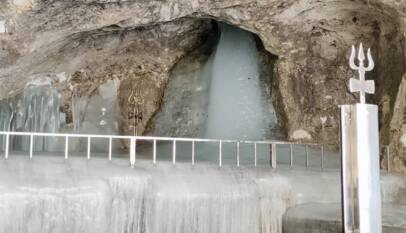
Amarnath Yatra Crosses Four Lakh Pilgrims as Devotees Continue Sacred Journey
Srinagar, July 2026 : The annual Shri Amarnath Ji Yatra achieved a significant milestone …