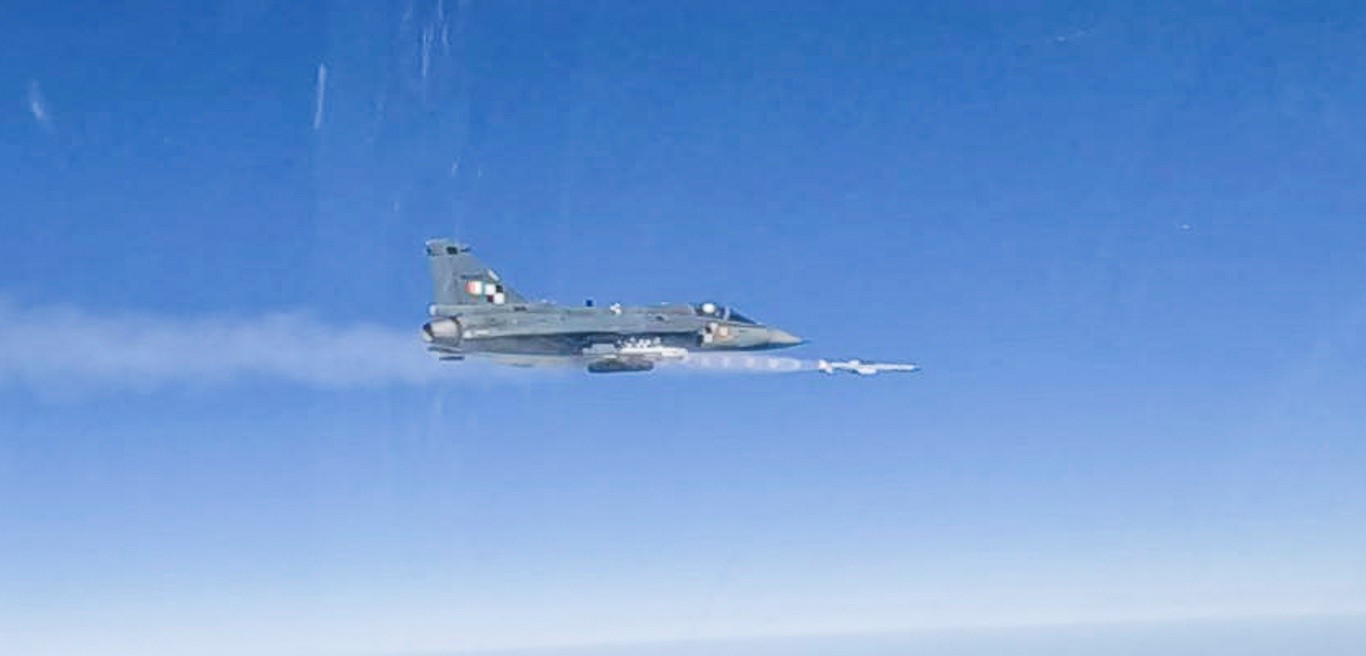
India’s Combat-Proven Astra Missile Draws Global Interest After Operation Sindoor Success

New Delhi, July 2026 : India’s indigenous Astra Beyond Visual Range (BVR) air-to-air missile is emerging as a sought-after defence export after its successful operational use during Operation Sindoor. The missile’s combat performance, coupled with its advanced technology and competitive pricing, has generated interest from several countries, with at least six nations reportedly exploring its acquisition for their air forces.
The growing international attention received a major boost during Prime Minister Narendra Modi’s recent visit to Indonesia, where India and Indonesia reached an in-principle agreement for the potential procurement of Astra missiles. While the number of missiles and the overall value of the deal will be finalised during subsequent negotiations, the agreement marks another significant step in India’s expanding defence export ambitions.
Among the countries showing serious interest is Armenia, which is understood to be at an advanced stage of discussions with India. Armenia plans to integrate the Astra missile onto its fleet of Su-30SM fighter aircraft, further strengthening its growing defence partnership with New Delhi.
The Indian Air Force successfully employed Astra missiles from its Su-30MKI fighter jets during Operation Sindoor, demonstrating the weapon’s effectiveness in operational conditions. That performance has significantly enhanced the missile’s international reputation and reinforced confidence in India’s indigenous defence technologies.
Armenia has already become one of India’s key defence partners by procuring several military systems over the past few years. These include the Akash surface-to-air missile system, Pinaka multi-barrel rocket launchers, Swathi weapon-locating radars, Advanced Towed Artillery Gun System (ATAGS) 155 mm howitzers, and ZEN anti-drone systems. The addition of Astra missiles would further expand defence cooperation between the two countries.
Reports also indicate that Saudi Arabia has entered discussions with India regarding the possible integration of Astra missiles into the Royal Saudi Air Force’s fleet, which includes F-15S, F-15SA, and Eurofighter Typhoon aircraft. If successful, such integration would significantly broaden the missile’s export footprint beyond traditional Russian-origin fighter platforms.
Defence analysts believe Astra has emerged as a highly competitive option in the global BVR missile market. Besides its advanced guidance and engagement capabilities, the missile offers a significant cost advantage, with estimates suggesting it is around 70 per cent cheaper than many comparable international systems. Experts have also drawn comparisons between Astra and China’s PL-15 long-range air-to-air missile, highlighting Astra’s combination of affordability, modern technology and proven operational capability.
Developed by the Defence Research and Development Organisation (DRDO) and manufactured by Bharat Dynamics Limited (BDL), the Astra Mk-1 is capable of travelling at speeds of up to Mach 4.5 and engaging aerial targets at ranges of approximately 80 to 110 kilometres, depending on launch conditions.
India is simultaneously advancing the missile’s next-generation variants. The Astra Mk-2, which has already undergone successful testing, is expected to engage targets at ranges between 200 and 240 kilometres, providing the Indian Air Force with significantly enhanced beyond-visual-range capabilities. Meanwhile, the Astra Mk-3, currently under development, will incorporate an advanced ramjet propulsion system and is projected to achieve engagement ranges exceeding 300 kilometres, placing it among the world’s most capable long-range air-to-air missiles.
With international demand steadily increasing, the Indian government has decided to expand production capacity by involving private industry alongside Bharat Dynamics Limited, which has so far been the sole manufacturer. The move is intended to ensure timely delivery of missiles for both domestic military requirements and export commitments while supporting India’s broader objective of developing a robust defence manufacturing ecosystem.
The Astra programme has become a symbol of India’s growing self-reliance in advanced defence technology and its emergence as a credible global defence exporter. Its successful combat deployment, technological maturity, cost-effectiveness and rising international demand underscore the progress achieved under the country’s indigenous defence development initiatives. As more nations evaluate the missile for integration into their fighter fleets, Astra is poised to become one of India’s flagship defence exports, further strengthening its position in the global arms market.
(The content of this article is sourced from a news agency and has not been edited by the Mavericknews30 team.)






India Strengthens Sea-Based Nuclear Deterrence, Expands Strategic Edge Over Pakistan
New Delhi, July 2026 : India has significantly strengthened its strategic nuclear deterren…
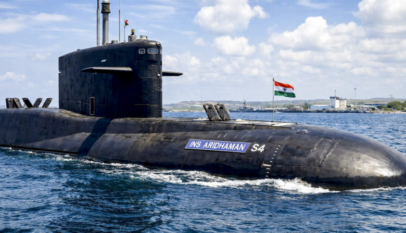
India Strengthens Sea-Based Nuclear Deterrence, Expands Strategic Edge Over Pakistan
New Delhi, July 2026 : India has significantly strengthened its strategic nuclear deterrence by …