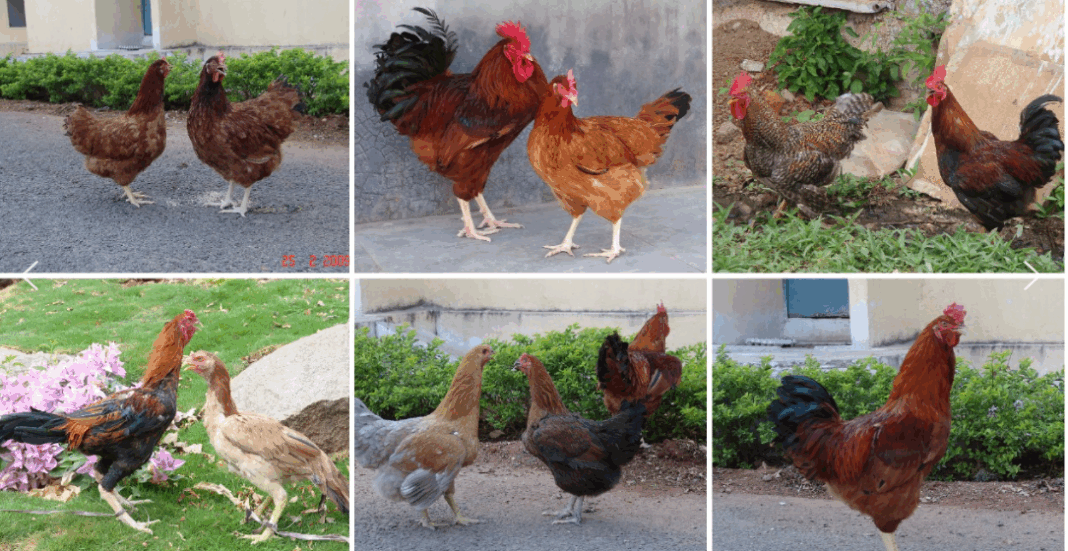
Poultry Farming: Monsoon Management and Care

Special Measures Required for Poultry Farmers During the Rainy Season
The monsoon season poses significant challenges for poultry farmers. This article outlines key guidelines for managing poultry effectively during the rainy season.
Monsoon Challenges
High humidity levels during the monsoon increase stress on birds, reduce feed quality due to moisture, and impair immunity. This leads to respiratory and digestive illnesses, higher mortality, and a drop in egg production. Hence, poultry farmers must be extra vigilant in caring for their flocks.
🐓 Precautionary Measures Before and During Monsoon
- Repair poultry houses before the onset of rains.
- Ensure the roof is leak-proof, and rainwater is properly drained.
- Install curtains to prevent rainwater from entering the sheds.
- Replace or flip litter material; mix lime powder into it to reduce moisture.
- Create drains around poultry houses to prevent waterlogging.
🐓 Essential Guidelines for Farmers
- Prevent feed from getting wet and store it in dry areas.
- Avoid bulk stocking of poultry feed during monsoon.
- Store feed off the ground on platforms to prevent fungal growth.
- Ensure clean drinking water for birds. Contaminated water can cause coccidiosis, E. coli, mycotoxin poisoning, and respiratory issues.
- Add appropriate levels of mediclor and acidifiers to drinking water as needed.
- Birds drink less and crowd more in lower temperatures, which can reduce productivity.
- Colder temperatures increase feed consumption, so consult nutritionists to adjust feed content and manage costs.
For Backyard Poultry
- Provide extra feed and warm drinking water to help birds maintain energy.
- Prevent contact with stagnant rainwater, which can cause parasite infections.
- Ensure birds return to their shelter during rain; do not allow them to roam outdoors.
- Feed and water should be arranged inside coops during rainy days.
🐓 Cleanliness and Housing Practices
- Provide elevated platforms inside deep-litter sheds to protect birds from ground moisture and injuries.
- Maintain optimal stocking density to avoid overcrowding.
- Keep litter pH below 7.0 to reduce ammonia gas emissions. If above 8.0, mix superphosphate into litter at 1.09 kg per 10.5 sq. ft.
- Follow vaccination schedules and provide deworming medications.
- Regularly clean the poultry house to prevent fly infestation.
Lighting and Heat Management
- Provide artificial lighting for 12–14 hours to maintain egg production as cloudy skies reduce natural light.
- Ensure heating arrangements when outside temperatures drop.
Disease Control
- If hens show signs of illness, consult a veterinarian promptly.
- Do not discard dead birds in the open. Dispose of them scientifically and hygienically.
By following these monsoon management tips, poultry farmers can safeguard their birds’ health and ensure steady productivity throughout the rainy season.

Iran Warns UK Against Military Cooperation With US in Any Strikes on Tehran
Tehran, Aug 2026 : Iranian Foreign Minister Seyed Abbas Araghchi has warned Britain agains…

Iran Warns UK Against Military Cooperation With US in Any Strikes on Tehran
Tehran, Aug 2026 : Iranian Foreign Minister Seyed Abbas Araghchi has warned Britain against …