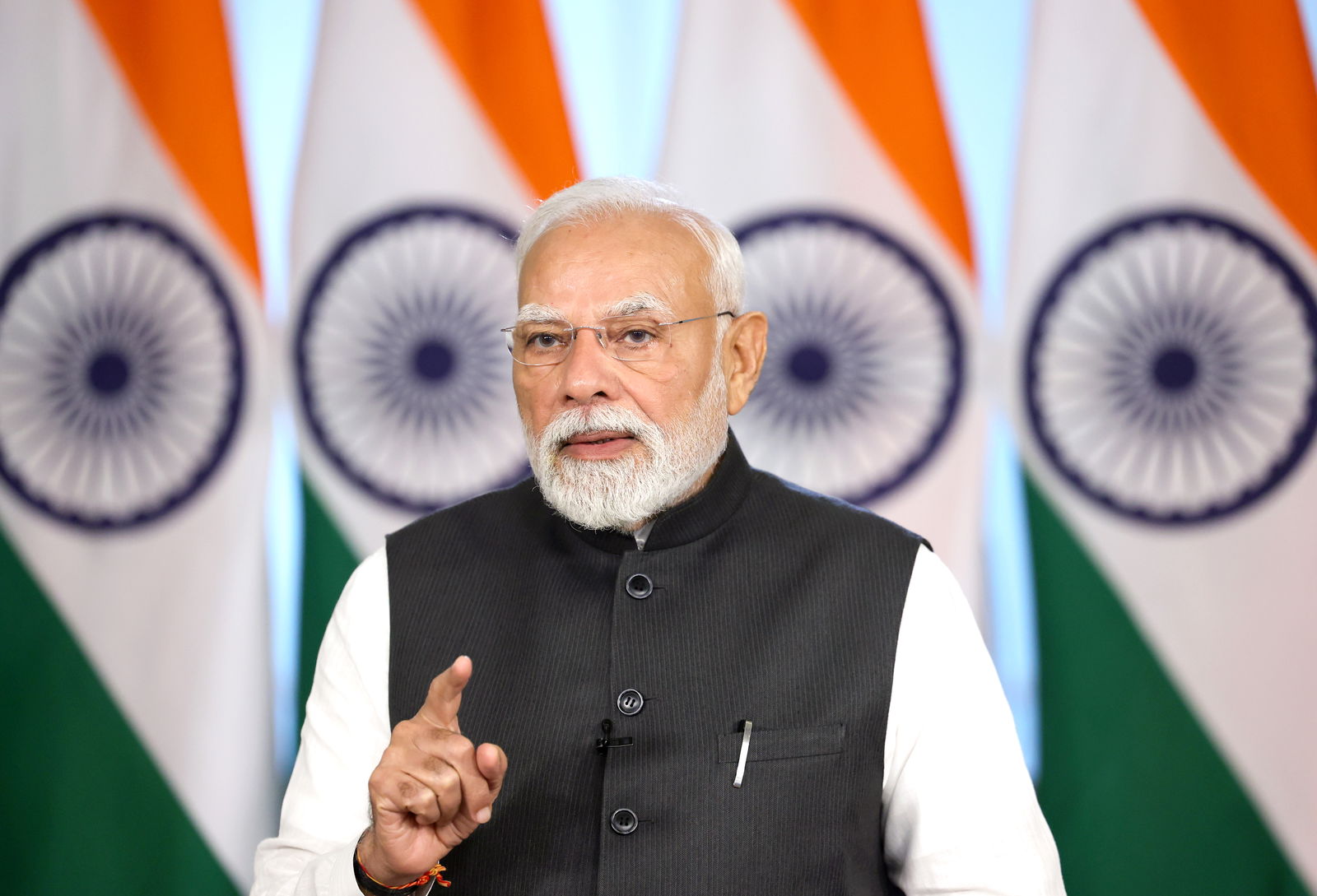
Adi Sewa Parv from September 17 to October 2

Sept 2025 : Prime Minister Shri Narendra Modi will launch the Adi Sewa Parv under the Aadi Karmayogi Abhiyan from Bhaisola, Dhar district on September 17 while laying foundation of PM Mitra Park. The Adi Sewa Parv, symbolising pride of tribal communities and nation-building, will continue until October 2. During the Parv, service activities related to health, education, nutrition, skill development, livelihood enhancement, sanitation, water conservation, and environmental protection will be organised in tribal areas. Every activity will be centred around the spirit of service and commitment towards a self-reliant India.
Under the Aadi Karmayogi Abhiyan, 12 state-level master trainers from Madhya Pradesh have been trained in the first phase at the Regional Process Lab. Likewise, at the State Process Lab, 272 district master trainers from 41 districts and 1,210 block master trainers from 242 development blocks have been trained. Through them, 18,150 cluster master trainers, 41 district-level NGO partners, 20 block-level NGO staff, 56,470 Aadi collaborators (teachers/doctors/youth leaders/social workers), 2,03,292 Aadi companions (self-help group members, tribal representatives, volunteers, cultural icons), and 22,588 Aadi students will be prepared, aiming to create 3,03,233 change leaders.
Tribal Village Vision-2030
Emphasis is being laid on the “Tribal Village Action Plan and Tribal Village Vision 2030” under this campaign. A long-term development roadmap is being prepared for each village, and on October 2, 2025, the “Village Action Plan” will be approved at a special gram sabha. Through Aadi Service Centres to be established at the village level, service delivery and grievance redressal mechanisms will be strengthened.
During the Parv, field-level activities will be conducted in tribal-dominated villages through Karmayogis and officers/employees from various departments such as Tribal Affairs, Panchayat and Rural Development, Revenue, Forest, Health, Women and Child Development, Public Health Engineering, and Education. These activities include awareness campaigns, orientation of villagers, group discussions on development needs, wall writings showcasing expectations, preparing and implementing village development plans, determining responsibilities by department, preparing implementation calendars, establishing Adi Seva Kendra, maintaining grievance registers and other necessary records. The Village Development Plan will be approved in a special gram sabha on Gandhi Jayanti.
Adi Karmayogi Abhiyan
The Aadi Karmayogi Abhiyan, launched this year by the Ministry of Tribal Affairs, Government of India, is a historic initiative for socio-economic development of tribal communities across the country. Its objective is to build leadership at the village level, ensure effective implementation of schemes, and make governance more accountable. The campaign is based on the values of service, commitment, and dedication, aimed at empowering and enabling tribal communities to become self-reliant.
The campaign aims to train and prepare nearly 300,000 Aadi Karmayogis, including youth, women, teachers, ASHA workers, anganwadi workers, panchayat secretaries, and other local representatives. Emphasis is given to the Tribal Village Vision 2030, with long-term development roadmaps being prepared for each village. These plans will ensure access to healthcare services, improvement in education quality, availability of clean drinking water, implementation of nutrition programs, benefits from women and child development schemes, creation of livelihood opportunities, and full coverage of social security schemes.
Initiative of Adi Seva Kendra
For effective implementation of schemes, initiatives like “Adi Seva Kendra” have been started to ensure timely grievance redressal and service delivery at the village level. Coordination between various departments—such as health, education, women and child development, social justice, forest, panchayat and rural development, Jal Jeevan Mission, and agriculture—is being emphasised for better alignment of schemes.
The campaign is expected to develop leadership at the village level, enhance awareness about government schemes, increase number of beneficiaries and improve coordination among departments. It will boost self-confidence in tribal communities and strengthen trust in governance. The long-term impact of the campaign is expected to include poverty alleviation, improvement in girl child education, reduction in maternal and infant mortality rates, and the creation of sustainable livelihood opportunities.




BJP Workers Are Full-Time Politicians, Rahul Gandhi Is Part-Time: Nitin Nabin in Telangana
Hyderabad, June 2026 : Bharatiya Janata Party (BJP) national president Nitin Nabin on Mond…
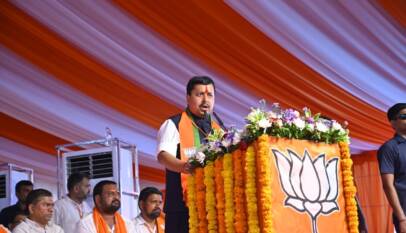
BJP Workers Are Full-Time Politicians, Rahul Gandhi Is Part-Time: Nitin Nabin in Telangana
Hyderabad, June 2026 : Bharatiya Janata Party (BJP) national president Nitin Nabin on Monday …