Qatar-Mediated Afghanistan-Pakistan Talks Begin Amid Fragile Truce and Renewed Airstrikes

Oct 2025 : The Qatar-mediated peace negotiations between Afghanistan and Pakistan — taking place under an extended but fragile truce — have brought cautious relief to communities living along the volatile Durand Line, where both countries engaged in intense cross-border clashes last week.
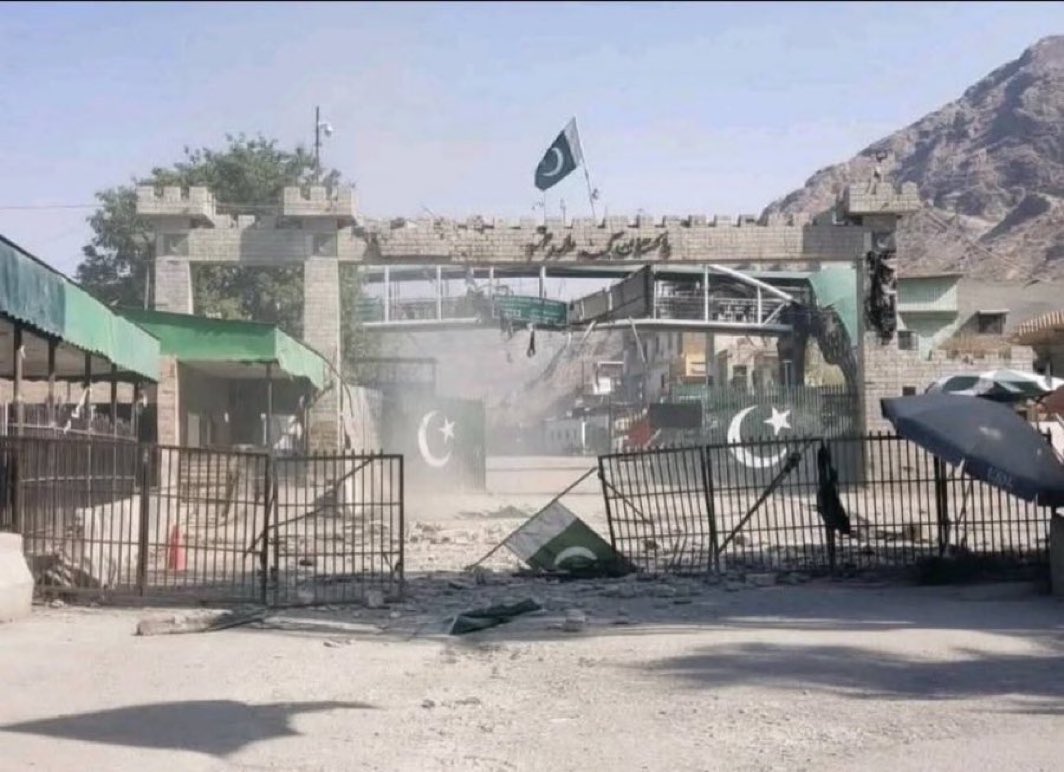
However, the atmosphere of restraint was shattered late on Friday, October 17, when Pakistan reportedly carried out fresh airstrikes in Paktika province, targeting at least three locations. According to Afghan officials, ten people, including three Afghan cricketers, were killed in the bombing — an act that violated the temporary ceasefire allegedly agreed upon by both sides on October 15.
Islamabad has long justified such operations on security grounds, accusing the Taliban government of providing sanctuary to militant groups hostile to Pakistan. Afghan officials, however, insist that the intended targets of the strikes were not present in the affected areas, suggesting that the bombings caused only civilian casualties.
To date, there has been no formal apology or acknowledgment from Pakistan regarding the deaths of civilians or the young athletes, further straining the already fragile diplomatic climate. The lack of remorse has inflamed anti-Pakistan sentiment in Afghanistan and placed additional pressure on Taliban negotiators in Doha to demand tangible concessions rather than settle for symbolic gestures or non-binding assurances.
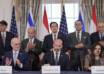
The Pakistani delegation in Doha includes Defence Minister Khawaja Asif and intelligence chief Asim Malik, both known for their recent hardline rhetoric toward the Taliban. Asif has frequently accused the Taliban of “aligning with India,” while Pakistan’s Foreign Ministry has claimed that Afghanistan has turned into a “hub for transnational terrorism.”
On the Afghan side, the delegation is led by Defence Minister Mullah Mohammad Yaqub Mujahid and intelligence head Abdul Haq Wasiq, two influential figures within the Taliban hierarchy. Analysts say the talks will test how much room either side has for compromise, given their entrenched positions and mutual distrust.
Regional powers reportedly pushed for the Doha meeting after a surge in border violence that displaced thousands of families from Afghanistan’s Spin Boldak and Kandahar regions. The ceasefire was reportedly extended to allow time for diplomatic engagement, though the fresh airstrikes have already undermined its credibility.
Qatar’s mediating role is particularly significant. Since the Taliban’s return to power in 2021, Doha has become a key diplomatic and security interlocutor between Kabul and Islamabad, hosting earlier intra-Afghan dialogues and Taliban negotiations with the international community. The Gulf state has built a reputation as a neutral platform for conflict resolution — a role it also played during the U.S.-Taliban peace process, which culminated in the signing of the “Agreement for Bringing Peace to Afghanistan” on February 29, 2020, under then-U.S. President Donald Trump.
In the current context, the participation of defence ministers and intelligence chiefs from both countries underscores the security-heavy agenda of the meeting. While this reflects an immediate focus on preventing further violence, observers caution that a purely militarized dialogue risks sidelining long-term diplomatic or humanitarian priorities.
Still, diplomats see the talks as a necessary first step toward rebuilding communication channels and confidence between the two sides. For Qatar, the challenge will be to steer discussions toward confidence-building measures (CBMs), such as mechanisms for joint border monitoring, verification systems, or third-party oversight — steps that could convert pledges into actionable outcomes.
According to Khaama Press, diplomatic observers believe the Doha meeting will serve as a critical test of Qatar’s capacity to mediate in a complex regional dispute where trust is in short supply. Analysts warn that without a durable ceasefire and coordinated intelligence-sharing, violence along the Durand Line could escalate, threatening not only regional stability but also worsening the humanitarian crisis in Afghanistan’s border provinces.
For both Afghanistan and Pakistan, the Doha talks represent more than a search for peace — they are a test of political will and regional diplomacy in a landscape dominated by suspicion and unresolved grievances. As airstrikes continue to erode trust, the success of Qatar’s mediation could determine whether this fragile truce evolves into lasting peace or collapses into yet another cycle of conflict.
(The content of this article is sourced from a news agency and has not been edited by the Mavericknews30 team.)





Amarnath Yatra Resumes After Six-Day Rain Halt, Pilgrims Hail Safety Arrangements and Renew Their Journey of Faith
Jammu, July 2026 : The annual Shri Amarnath Yatra resumed on Saturday after remaining susp…
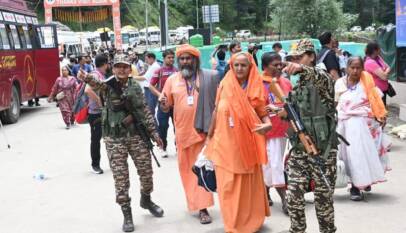
Amarnath Yatra Resumes After Six-Day Rain Halt, Pilgrims Hail Safety Arrangements and Renew Their Journey of Faith
Jammu, July 2026 : The annual Shri Amarnath Yatra resumed on Saturday after remaining …