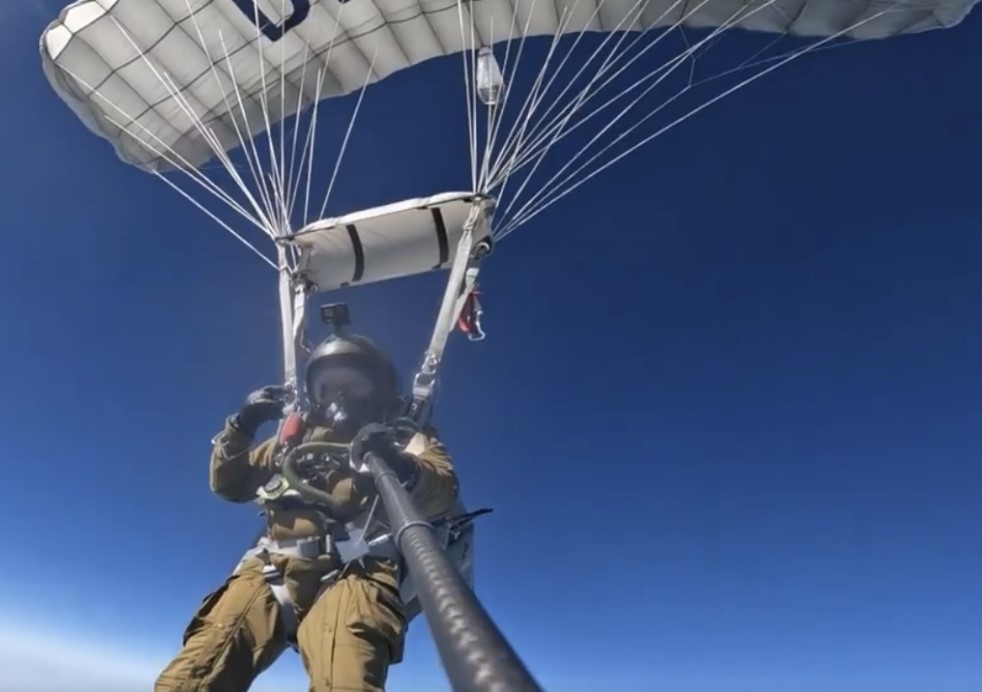
India Tests Combat Parachute for High-Altitude Missions.

India has successfully tested its indigenously developed Military Combat Parachute System (MCPS) from an altitude of 32,000 feet (9,753 meters), marking a milestone in the country’s efforts to boost self-reliance in defence technology. It was deployed from an aircraft in subzero temperatures to assess its reliability and performance under extreme conditions, according to a report by official sources. The parachute performed as expected during the test, validating its ability to support high-altitude combat operations.
MCPS was developed by the Defence Research and Development Organisation (DRDO) and tested in collaboration with the Indian Air Force. The parachute is designed to enhance the safety and operational capability of paratroopers conducting missions in challenging terrain, such as high-altitude border regions. The system will undergo additional evaluations before being cleared for full-scale production and induction into service.
Officials said the MCPS’ indigenous design and locally sourced materials make it both cost-effective and adaptable to the requirements of India’s defence forces.
DRDO Chairperson Samir V. Kamat described the test as a “major step towards self-reliance in the field of aerial delivery systems”, which demonstrates India’s growing ability to design and manufacture advanced defence systems domestically in line with the government’s Self Reliant India initiative.
The DRDO’s MCPS has been under development to replace imported equipment and meet the operational demands of India’s airborne troops. The system includes both main and reserve parachutes designed for free-fall operations from altitudes up to 35,000 feet (9,753 meters), giving paratroopers greater control and stability during descent.
Following the recent high-altitude trial, DRDO is expected to conduct additional tests under varying environmental conditions, including desert and maritime settings, to confirm the system’s versatility. The Indian Air Force and Army are also exploring ways to integrate the parachute with advanced oxygen systems and navigation aids for use in special operations.
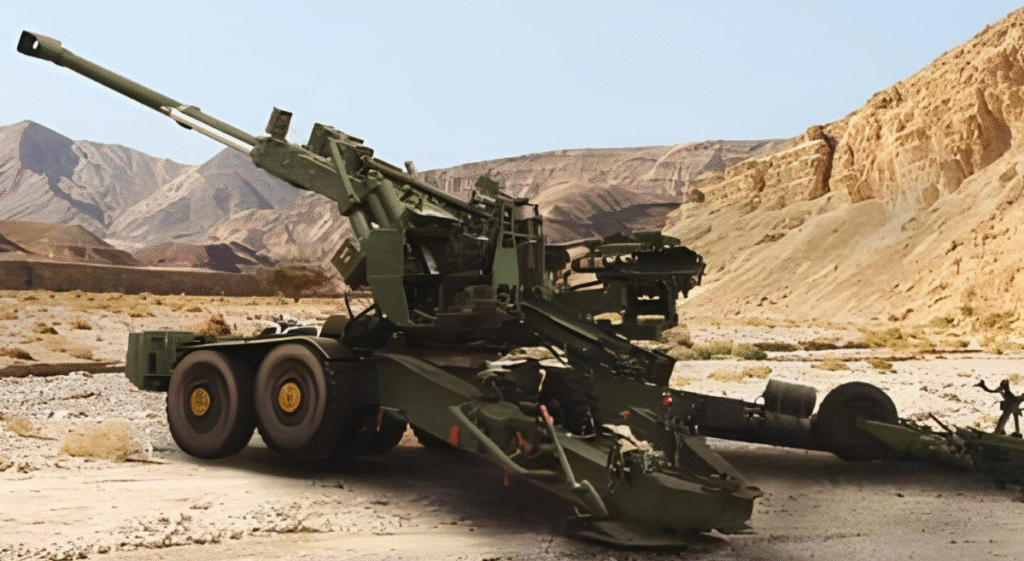
Alongside, India has been working on complementary airborne capabilities such as the indigenous Advanced Towed Artillery Gun System. In March, the government ordered 300 local 155 millimetre towed guns for $ 805 million, its biggest defence contract in recent history.
Team Maverick
Govt. to formulate policy to provide relief in encroachment cases involving poor and landless families: CM
Chief Minister Thakur Sukhvinder Singh Sukhu today laid the foundation stone of the new Mu…
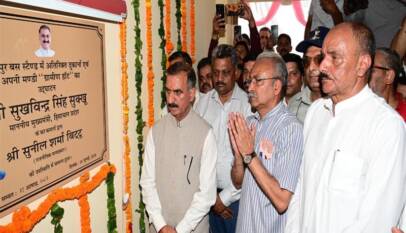
Govt. to formulate policy to provide relief in encroachment cases involving poor and landless families: CM
Chief Minister Thakur Sukhvinder Singh Sukhu today laid the foundation stone of the new …