Technological Revolution in Ganga Conservation: Namami Gange’s Digital Shield Strengthens Biodiversity Monitoring and Wetland Management

New Delhi: National Mission for Clean Ganga has undertaken several technological innovations for strengthening the conservation of the Ganga River and its life-sustaining wetlands and biodiversity. These initiatives aim to bring a transformative change in monitoring endangered species, enhancing conservation effectiveness, and promoting community-based participation through advanced tools and digital technologies. Experts believe these initiative can prove to be a gamechanger in protecting the biodiversity of the Ganga basin.
Smart Patrolling Enhances Transparency in Chambal
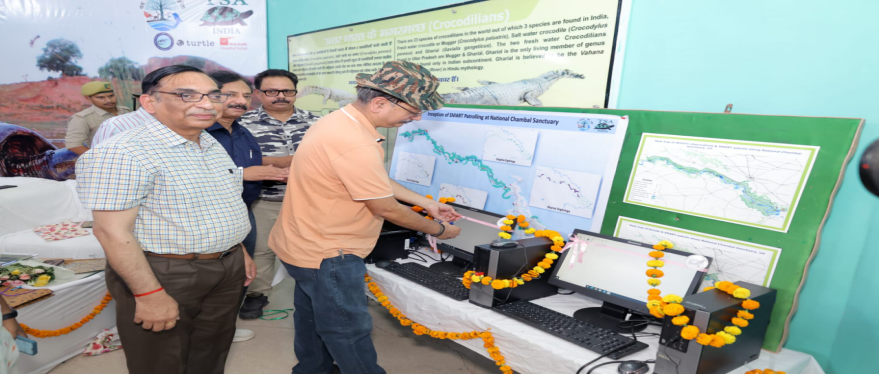
At the Garaita Centre in the National Chambal Sanctuary, Uttar Pradesh, the launch of the Spatial Monitoring and Reporting Tool (SMART) has given a new dimension to efforts for conserving endangered species. Species like turtles, gharials, Indian skimmers, and dolphins are now being monitored in real time through the SMART system.
The newly established SMART lab and workstation digitally record patrolling activities and provide GIS mapping, data analysis, and reporting capabilities. Officials state that this has not only improved the speed of patrolling but also ensured greater transparency and accountability. The initiative enhances the efficiency of frontline staff and provides a strong foundation for evidence-based conservation policies.
Digital Monitoring of Wetlands
The Ganga’s associated wetlands are crucial to the riverine ecosystem and will now be continuously monitored using modern tools like GIS and remote sensing. These technologies will help in delineation, change detection, and monitoring of restoration plans for wetlands.
Experts highlight that interventions such as desilting, vegetation recovery, and biodiversity enhancement can now be executed in a more scientific and planned manner. This digital surveillance will ensure the long-term health of wetlands and provide concrete data for informed conservation decisions.

Scientific and Precise Species Tracking
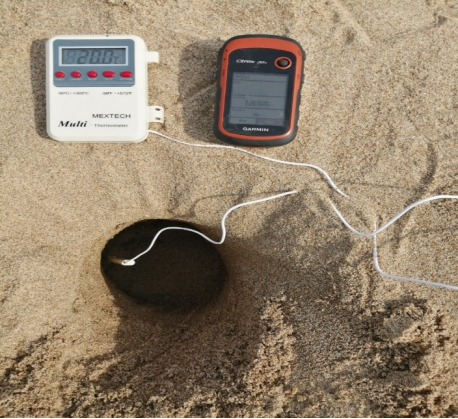
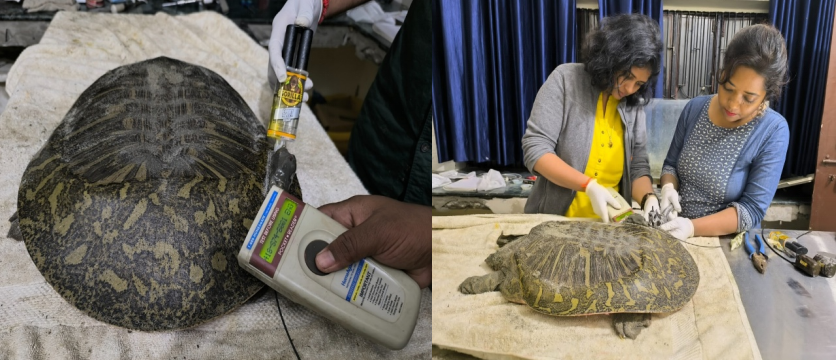
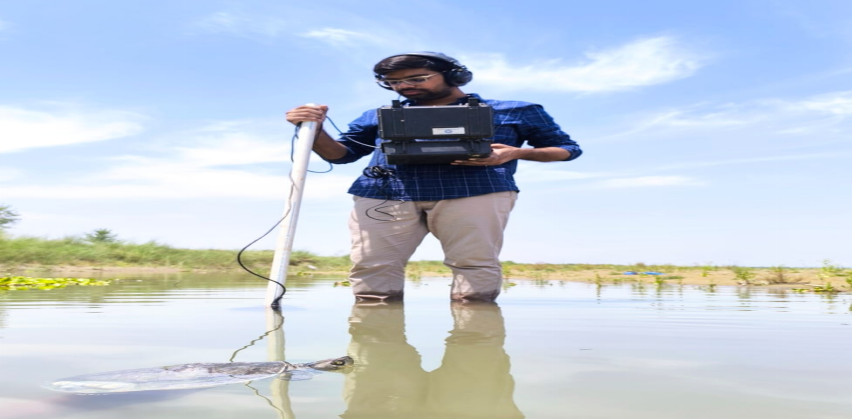
NMCG has implemented a high-end tracking system for endangered and key species. Through the use of radio telemetry, acoustic telemetry, PIT tags, and GPS technology, data is being collected on animal movement, migration routes, and survival rates.
Additionally, remote sensing and GIS mapping are helping identify and monitor habitats such as turtle nesting sites and dolphin hotspots.
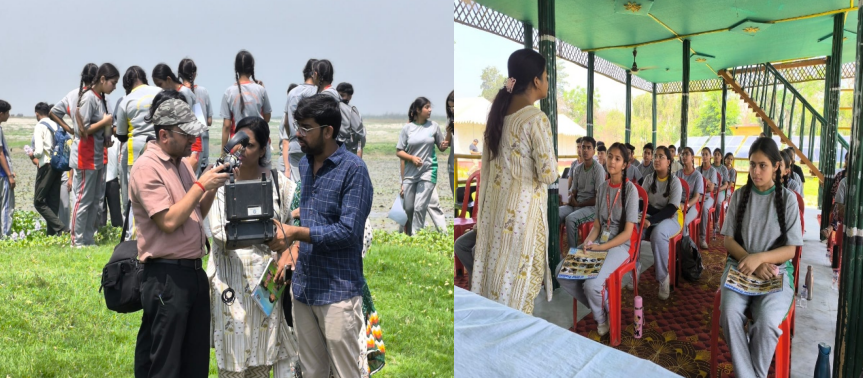
Local communities are being engaged through mobile apps and citizen science initiatives, encouraging them to participate in activities like protecting turtle nests, observing bird migrations, and monitoring fish resources. Conservation is no longer confined to scientific institutions but is evolving into a people-driven movement.
New Energy in Rescue and Rehabilitation
GPS-enabled protocols have been developed for wildlife rescue and rehabilitation. Under this system, records of rescued and rehabilitated animals are maintained in a digital database, allowing real-time tracking of individual animals and ensuring more transparent and effective rehabilitation.
Experts emphasize that this step marks a significant move towards providing a secure and sustainable life for endangered species.

Local Participation Expands the Conservation Network
According to experts, this wide-ranging suite of technological solutions is not only upgrading monitoring and management but also directly involving local communities. Through citizen science projects, training camps, and mobile apps like KURMA and web based monitoring residents of Ganga riparian villages are now actively participating in conservation efforts.
Fishermen, farmers, and villagers are contributing by reporting illegal activities, protecting turtle nests, and safeguarding bird habitats. These initiatives have transformed the “Save Ganga” mission from a government-led program into a shared responsibility. Experts note that when communities are empowered with knowledge and responsibility, they naturally become custodians of their environment—making conservation efforts more sustainable and long-lasting.
A Historic Initiative
NMCG’s initiative marks a historic stride toward preserving the ecological and cultural heritage of the Ganga and its wetlands. Experts believe that these technological interventions will not only prove effective in saving endangered species but also lay a strong foundation for preserving the Ganga’s biodiversity for future generations.
This initiative ensures greater transparency, accountability, and collective participation in conservation efforts—truly reflecting a digital revolution in India’s environmental protection landscape.







Cockroach Janta Party to Decide on Political Debut at August 5 Meet
Chhatrapati Sambhajinagar (Maharashtra), Aug 2026 : The Abhijeet Dipke-led online youth mo…

Cockroach Janta Party to Decide on Political Debut at August 5 Meet
Chhatrapati Sambhajinagar (Maharashtra), Aug 2026 : The Abhijeet Dipke-led online youth movement Cockroach Janta …