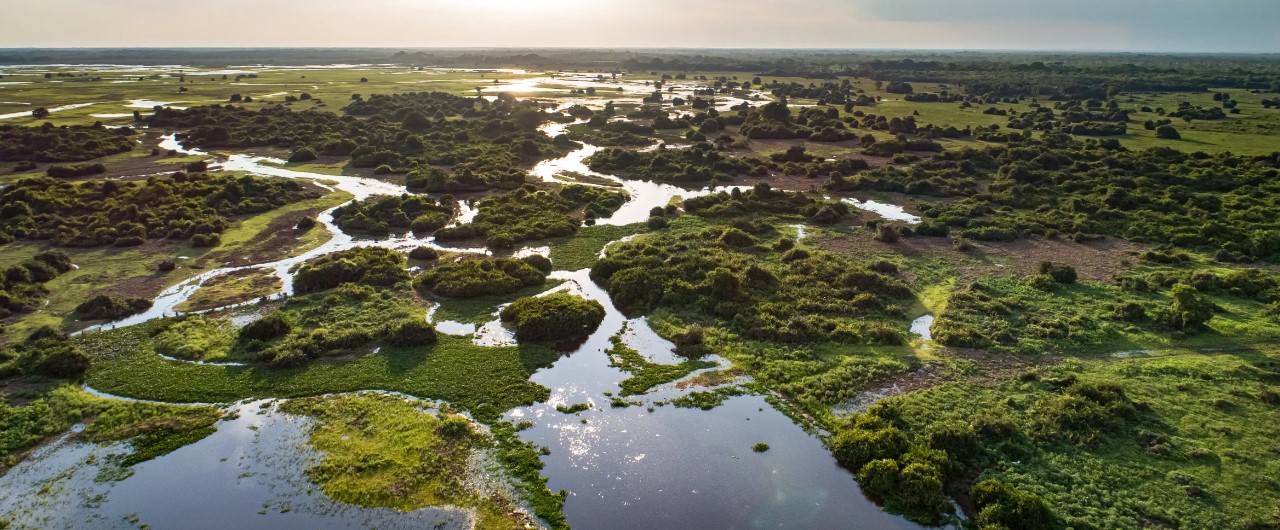
Forests at Work: Jobs Grounded in Natural Wealth.

Job creation is central to the World Bank Group’s vision of creating a world free of poverty on a livable planet. The sustainable management of forests, which cover more than 30% of the earth’s surface, will allow countries to unlock new employment pathways that reduce poverty, drive growth, and protect the environment.
With 1.2 billion young people across emerging economies entering the workforce over the next decade, only 400 million jobs are projected to be created thereby creating an urgency to generate meaningful employment opportunities has never been greater.
Emerging economies are navigating rapid population growth and urbanisation, yet rural poverty remains persistent. At the same time, many of these countries are endowed with substantial renewable natural wealth, from forests and fisheries to biodiversity. This abundance presents a powerful, yet often underutilised, opportunity for job creation.
Globally, the forest sector employs approximately 33 million people. However, the impact of forest jobs extends well beyond the sector itself. For every 100 jobs in the forest sector, 73 additional jobs are supported on average in the broader economy. In Zambia, tourism generated jobs for 30% of the working age population around South Luangwa National Park, demonstrating how forest-linked livelihoods can be a cornerstone of rural development.
Forest jobs offer a practical pathway to prosperity. They include jobs in:
- Wood and timber production: related to sustainable logging, sawmilling, and other wood processing.
- Non-timber forest production: involving the harvesting and processing of products like nuts, honey, berries, medicinal plants, resins, and more.
- Forest-based services: including ecotourism, recreation, ecosystem restoration, and public administration.
On the ground, forest-based enterprises are turning natural assets into engines of job creation and growth. From Burkina Faso to Mexico and Brazil, forest entrepreneurs are growing their businesses with support from the World Bank Group.
In Burkina Faso – forest entrepreneurs are transforming their harvest into commercially viable businesses. In Dédougou, a small city in western Burkina Faso, Fatimata Ouarme leads Sanigna. Her small enterprise of 15 workers transforms baobab fruit pulp, prized for its tangy flavor and rich nutritional value into syrup and jam. Her products are packaged, marketed, and sold locally at trade fairs and commercial weeks. For years, despite efforts to grow the business, production capacity remained limited. Today, however, Sanigna is expanding its output and strengthening its sales and distribution channels, thanks in part to support from the Government of Burkina Faso’s Communal Climate Action and Landscape Management project.

With finance provided by the World Bank, including through its multi-donor platform for forests and landscapes, PROGREEN, the project provided Mme. Ouarme with upgraded equipment, including a syrup press and an induction sealing machine, as well as modern marketing and packaging materials. This helped the business scale operations and reach new markets.
Launched in 2022, the Communal Climate Action and Landscape Management project is helping reshape rural economies across Burkina Faso by creating forest jobs and strengthening local value chains. From market gardens to sustainable forestry enterprises, the project is enabling local enterprises to commercialise and increase incomes for local communities. Sanigna is one of more than 500 rural small and medium enterprises (SMEs) which received project funding in support of high-potential sectors such as néré, shea, bio-compost, and moringa.
The project supports these SMEs with access to finance, training, and infrastructure upgrades, designed to boost productivity and market access. Some 600 individuals have been trained in production and marketing practices, including more than 400 women and about 150 youth. Sustainable forest and landscape management is laying the foundations for Burkina Faso’s long-term development, as well as its strategy to reduce poverty, manage conflict, and build resilience to climate change.
In Mexico – Indigenous women centric enterprises are scaling up and going commercial.
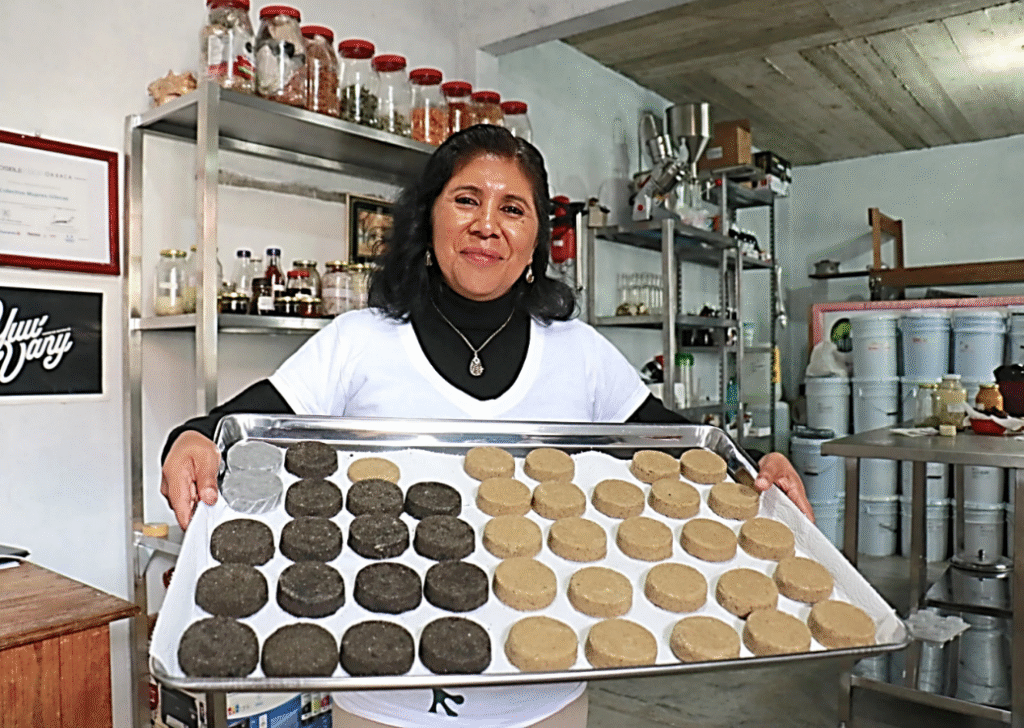
Laura Pérez is an entrepreneur in the Ixtlán community of Oaxaca, Mexico. She is the founder of “Yuu Vany”, a business dedicated to transforming native medicinal plants into marketable natural beauty products. Her company takes its name from the Zapotec phrase meaning “living earth”—a tribute to the region’s rich biodiversity and ancestral knowledge.
“Our initiative is to transform the medicinal plants we have in the region into products for beauty care, whether it’s soaps, creams, shampoos, balms, lip balms, or body balms”. Laura was also a direct beneficiary of Mexico’s Dedicated Grant Mechanism (DGM) project, which provided Yuu Vany with seed funding to commercialise.
But the support didn’t stop there. The project enabled the company to receive training in business development and marketing, as well as guidance on sustainable packaging, using cardboard and other environmentally friendly, non-polluting materials.
In Brazil – commercial forestry and restoration efforts generate green jobs. Brazil’s Cerrado region is one of the most biodiverse, seasonally dry ecosystems in the world, while being home to about 25 million people, or about 12% of the country’s population. Here, the International Finance Corporate (IFC), the private sector arm of the World Bank Group is backing a reforestation strategy that will create jobs in commercial timber operations as part of a broader regional effort that will sustainably manage and restore 280,000 hectares of degraded land.
The effort is led by Timberland Investment Group (TIG), one of the world’s largest timberland managers and the institutional timberland management organisation of BTG Pactual, Latin America’s largest investment bank. The strategy follows a two-pronged approach: About half of the targeted 280,000 hectares will become sustainably managed commercial timber plantations, certified by the Forest Stewardship Council, while the remainder focuses on restoring native ecosystems.
By integrating large scale plantation and ecosystem restoration efforts, the project will generate 1,800 jobs across upstream value chains, including 800 direct jobs in sustainable forest management.
“The conversion of low-productivity cattle ranches to a combination of restoration projects and commercial tree farms has already generated hundreds of new rural jobs in the landscapes in which we invest“, explains Mark Wishnie, Chief Sustainability Officer at BTG Pactual TIG. These new jobs will primarily benefit those living in rural areas, where opportunities are scarce, supporting the economic development of the local communities.
Mobilising One World Bank Group to Create Forest Jobs –
The World Bank Group (WBG) is partnering with governments and the private sector to create quality jobs and provide sustainable, meaningful opportunities for people and communities. Sustainable forest management plays a vital role in this effort while unlocking the natural wealth of nations to drive growth.
Through a One WBG approach, the institution is scaling investments in forests and landscapes and building sustainable forest economies, with a focus on creating green jobs, restoring and conserving forest ecosystems, and amplifying the voices of smallholders and forest-dependent communities. A forthcoming project in the Congo Basin will operationalise this approach in developing value chains for timber and non-timber products, ecotourism, and other nature-based enterprises, while strengthening Indigenous Peoples’ land and forest rights.
Together, these efforts aim to sustainably harness forests as engines of opportunity, which place people and communities in emerging economies on the pathway to prosperity.
Team Maverick






More Than a Café: How MITTI Café is Brewing Hope, Dignity and Dreams at Rashtrapati Nilayam
Hyderabad, July 2026 : Tucked away inside the serene campus of Rashtrapati Nilayam in Boll…
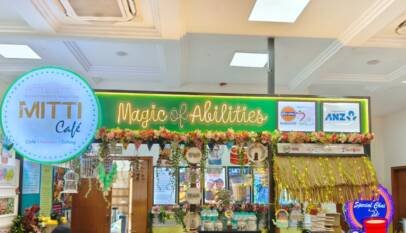
More Than a Café: How MITTI Café is Brewing Hope, Dignity and Dreams at Rashtrapati Nilayam
Hyderabad, July 2026 : Tucked away inside the serene campus of Rashtrapati Nilayam in …