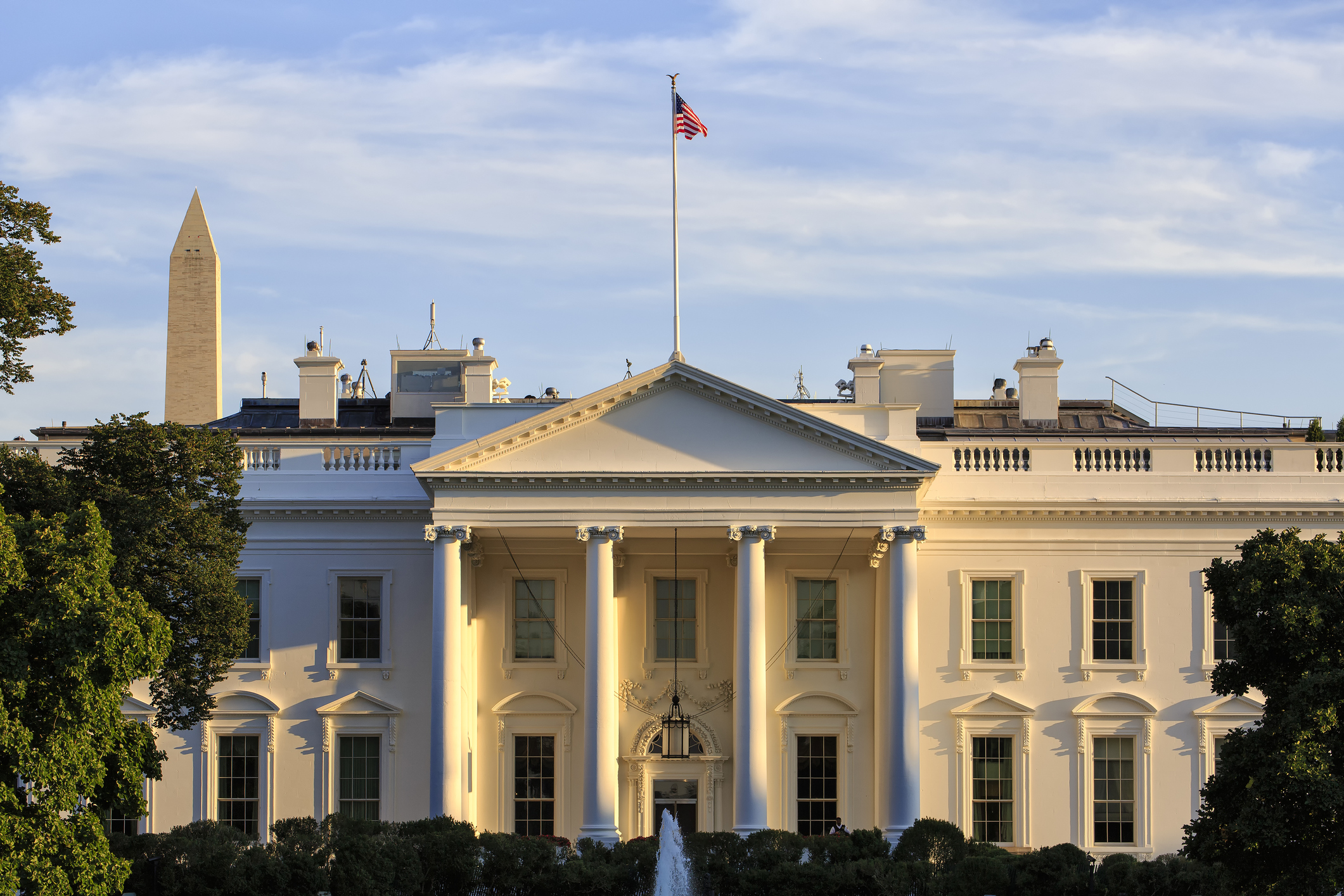
Washington Signals US-Controlled Venezuelan Oil Sales to India, Opening Path for Renewed Energy Trade

Washington, Jan 2026: The White House has indicated that India may soon be allowed to purchase Venezuelan crude under a new US-controlled framework, according to a senior administration official. The move signals a potential reopening of supplies to one of Venezuela’s largest pre-sanctions customers, as Washington seeks to market the country’s crude globally while maintaining strict oversight of revenues.
When asked whether the United States was prepared to allow India to buy Venezuelan oil, given the country’s growing energy needs, the official replied in the affirmative, though declined to provide additional details. The specifics of how sales would be structured remain under development.
The official referred to Energy Secretary Christopher Wright’s recent interview on Fox Business, in which Wright highlighted that the US would be open to selling Venezuelan oil to “almost all countries.” Wright explained that while Venezuelan crude would again flow to international markets, the sales would be tightly controlled by the US government. Proceeds from the sales would be placed into accounts managed by Washington, ensuring that funds ultimately benefit the Venezuelan people rather than lining the pockets of corrupt officials or the previous regime.
“So that oil, we’re allowing it to flow. Again, it’s marketed by the United States government. The money’s gonna flow into accounts,” Wright said. “It’s about making sure it benefits the Venezuelan people, not corruption, not the regime.”
The Energy Secretary emphasized that global interest in Venezuelan crude remains high, not only among US refiners but also across Europe and Asia. Many American refineries were originally designed to process Venezuelan crude, and demand for this heavy oil continues to be significant.
Wright framed the policy as part of a broader strategy under President Donald Trump to enforce sanctions while reshaping Venezuela’s oil sector. “You can sell oil together with the United States, or you cannot sell oil,” he said, highlighting the leverage Washington holds over production and revenue to counter criminal activity and destabilizing behavior linked to Venezuela’s previous leadership. Enforcement, he added, would remain central, citing recent seizures of sanctioned oil tankers as proof that US policies would be actively enforced, not merely announced.
In separate remarks at an energy conference in New York, Wright outlined plans to market between 30 million and 50 million barrels of Venezuelan oil currently in storage, followed by future production sales. The US would also provide diluents and assist in importing parts and equipment to stabilize and expand Venezuelan output.
Officials are in ongoing discussions with oil companies that previously operated in Venezuela, as well as potential new investors, to determine conditions that would facilitate capital flow. “What are the conditions that’ll make capital flow?” Wright asked, emphasizing that collaboration between the US government, Venezuelan authorities, and energy firms is essential.
Before sanctions curtailed trade, India was a major buyer of Venezuelan crude, particularly suited for its complex heavy-oil refineries. Renewed access could help India diversify energy imports and meet its growing domestic demand. Venezuela, with the world’s largest proven oil reserves, and India, as one of the fastest-growing energy consumers, stand to benefit from this carefully monitored trade framework.
(The content of this article is sourced from a news agency and has not been edited by the Mavericknews30 team.)






New Financial Year to Bring Tax, Labour and Travel Reforms from April 1
Mumbai, March 2026 : A host of major financial and regulatory changes will come into effec…

New Financial Year to Bring Tax, Labour and Travel Reforms from April 1
Mumbai, March 2026 : A host of major financial and regulatory changes will come …