New Delhi, Sept 2026 : Political reactions have emerged over the new Merchant Discount Rate (MDR) applicable to specified UPI merchant transactions above Rs 2,000, with BJP MP Anurag Thakur defending the digital payments framework and NCP(SP) spokesperson Clyde Crasto questioning its possible impact on consumers.
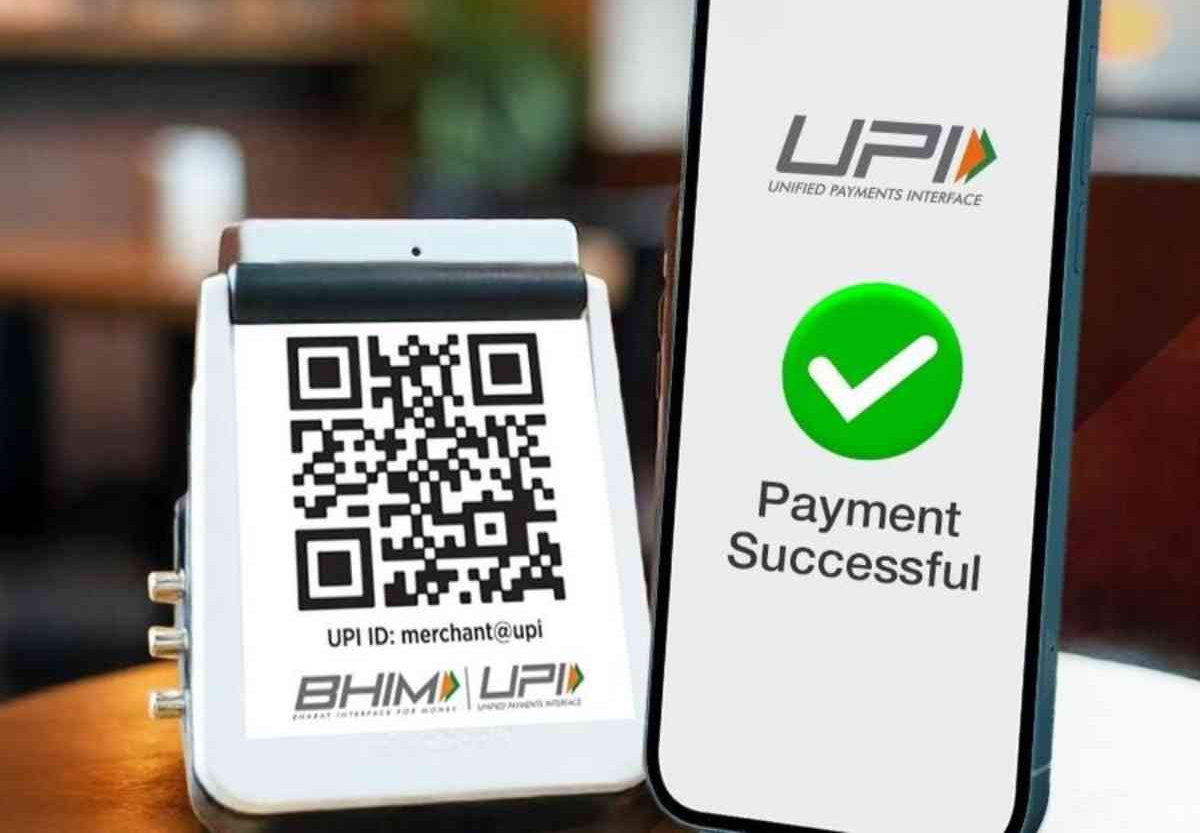
The National Payments Corporation of India (NPCI) has announced that a 0.4 per cent MDR will apply from October 15 to specified person-to-merchant (P2M) UPI transactions exceeding Rs 2,000. The charge will be paid by merchants and will be capped at Rs 300 per transaction. Person-to-person payments will continue to remain free.
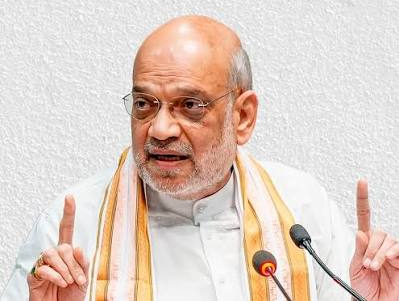
Reacting to the development, BJP MP Anurag Thakur highlighted India's widespread adoption of digital payments, particularly among small businesses, roadside vendors and individual users.
“India’s digital transactions are now cited as an example across the world. Prime ministers and presidents of major countries come to India and see how easily even a roadside vendor, tea seller, small shopkeeper, and individuals can make payments through digital transactions,” Thakur said.
He also criticised the Congress over its response to the issue and said the details of the new framework should be examined carefully.
“I think the Congress’ only job is to mislead people and criticise. I believe this report needs to be studied in greater detail and examined seriously,” Thakur said.
Thakur also pointed to the exemptions under the new framework. He said transactions up to Rs 2,000 would not attract the charge and referred to the government's assessment that about 96 per cent of merchant transactions would remain unaffected. The Finance Ministry has clarified that MDR is not a tax collected by the government or NPCI.
NCP(SP) national spokesperson Clyde Crasto, however, criticised the move and argued that merchants could eventually seek to recover the additional cost from customers.
“The Bharatiya Janata Party government at the Centre has found yet another way to trouble people. Now they are saying that a tax will be imposed on UPI transactions,” Crasto said.
“If a person makes a purchase, the shopkeeper will have to pay the tax. And they say that the shopkeeper will pay this tax. Tell me, which shopkeeper will pay it out of his own pocket? Why would he take that burden? Somewhere, he will find a way to pass that burden on to the customer who is making the purchase,” he added.
The government, however, has said the MDR cannot be passed on to consumers. The new framework also retains zero-MDR provisions for certain small merchants and categories, while payments to merchants up to Rs 2,000 remain free. According to the Finance Ministry, around 96 per cent of P2M transactions will remain unaffected.
The revised framework is aimed at supporting the financial sustainability of the UPI ecosystem. NPCI said the MDR will help facilitate continued investment in infrastructure, cybersecurity, fraud prevention, innovation and customer service.
The new system will also provide different treatment for certain essential and specified categories. For example, selected merchant payments involving sectors such as railways, fuel, telecom and insurance will attract a flat MDR rather than the standard 0.4 per cent rate.
UPI has become a major component of India's digital payments ecosystem, with billions of transactions processed every month. The introduction of MDR therefore marks a significant change from the earlier zero-cost model for merchant transactions.
The political debate is now centred on the potential effect of the new framework on merchants and consumers, while the government maintains that the changes are intended to strengthen the long-term sustainability and security of UPI without imposing charges on individual users.