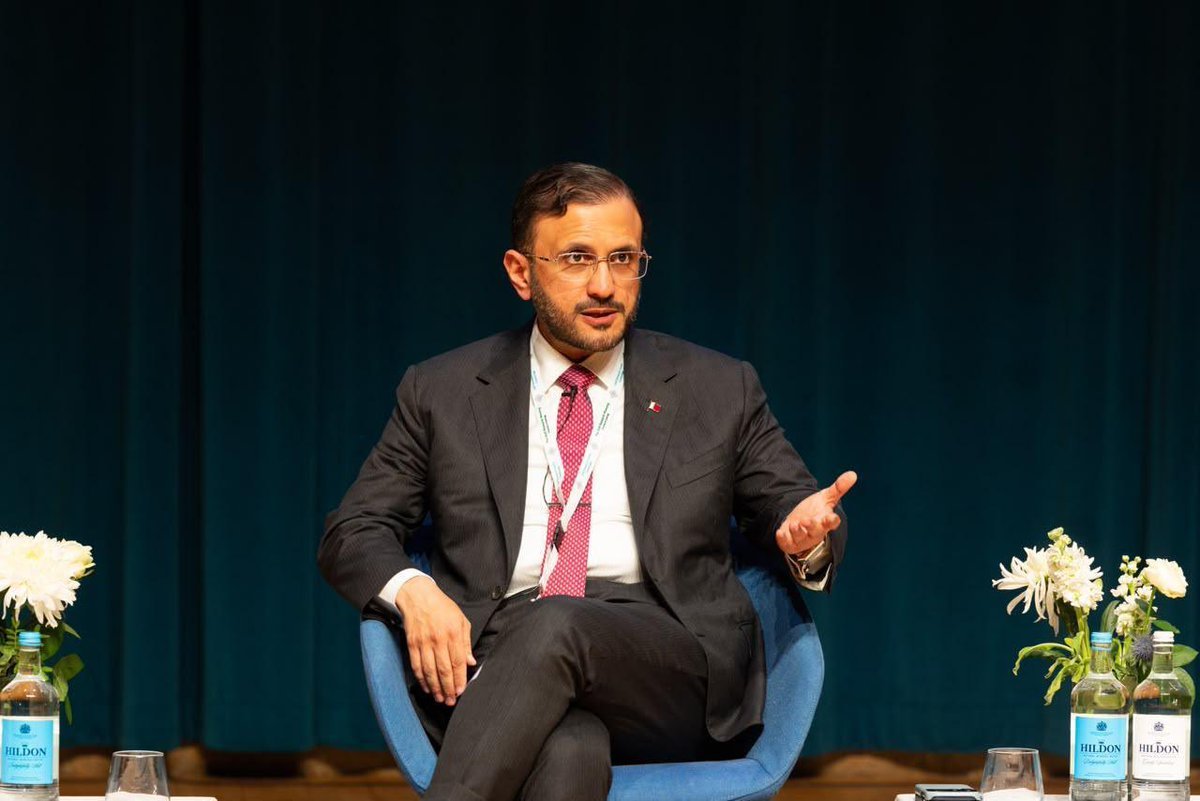
Doha, Aug 2026 : Qatar on Tuesday said regional diplomatic efforts were focused on reopening the strategically vital Strait of Hormuz and reviving the US-Iran memorandum of understanding (MoU), amid continuing tensions in the region.
Qatari Foreign Ministry spokesperson Majed Al Ansari said the latest escalation had been marked by what he described as a violation of the ceasefire and rising tensions surrounding the Strait of Hormuz.
Addressing the ministry’s weekly media briefing, Ansari said diplomatic efforts were underway to restore commitments and create conditions for a return to negotiations. He said Doha was awaiting an agreement between Oman and Iran on arrangements for navigation through the strategic waterway.
According to Ansari, such an agreement could help establish conditions for the resumption of broader negotiations and contribute to restoring freedom of navigation through the strait.
“The only way to move forward is a ceasefire, the opening of the Strait of Hormuz and going back to normal or freedom of navigation and going back to the negotiations,” Ansari said.
The Strait of Hormuz is one of the world’s most strategically important maritime routes, carrying a significant share of global energy supplies. Any disruption to navigation through the waterway has the potential to affect international shipping and energy markets.
Against this backdrop, Iran and Oman have been conducting discussions in recent months on arrangements to ensure safe maritime movement through the strait.
Iranian Foreign Ministry spokesperson Esmaeil Baghaei said on Monday that Tehran and Muscat had reached an understanding on a map for a proposed new maritime traffic route through the strategic waterway.
Speaking at a weekly press conference in Tehran, Baghaei said negotiations between the two countries had made progress towards establishing a safe route for vessels navigating the Strait of Hormuz.
He said Iran and Oman were expected to finalise the arrangement as a package consisting of the agreed map and a joint statement outlining the understanding between the two sides.
However, Baghaei said the finalisation process had been delayed because of the complexity of the issue, the number of parties attempting to influence the process and what he described as “attempts by certain malicious parties”.
Despite the challenges, he said Tehran and Muscat remained committed to the negotiations and were continuing to exchange views on the wording of the proposed joint statement.
Baghaei stressed that both countries were seeking to establish a mechanism that would protect their respective interests while addressing their concerns and taking into account the requirements of international maritime traffic.
The parallel statements from Qatar and Iran highlight the growing importance of diplomatic efforts surrounding the Strait of Hormuz as regional tensions continue.
Qatar’s call for the reopening of the waterway and a return to negotiations comes as regional countries seek to prevent further escalation and restore stability. Doha has also continued to emphasise diplomacy and ceasefire arrangements as essential steps towards resolving the broader crisis.
For Iran and Oman, the proposed maritime route represents an effort to facilitate navigation while balancing national security considerations with the interests of international shipping. The outcome of their ongoing discussions could therefore have wider implications for regional stability and global maritime trade.
(Disclaimer :The content of this article is sourced from a news agency and has not been edited by the Mavericknews30 team.)