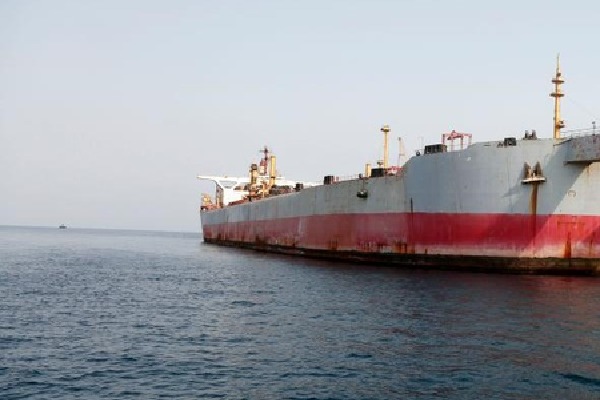
Global Energy Markets Strained as US-Iran Conflict Drives Fuel Price Surge

Washington, April 2026 : The ongoing conflict between the United States and Iran is beginning to exert significant pressure on global energy markets, pushing up fuel prices and raising concerns about economic stability worldwide. Lawmakers in Washington have warned that disruptions linked to the war are already impacting both domestic and international economies, with the situation expected to worsen if tensions persist.
During a congressional hearing on Wednesday, officials highlighted growing instability around the Strait of Hormuz, a crucial maritime route through which a substantial portion of the world’s oil supply passes. Any disruption in this region has immediate ripple effects on global energy availability, making it a focal point of concern for policymakers.
Senior lawmakers noted that the economic consequences are already visible. Rising fuel prices have begun to affect consumers, with reports indicating a sharp increase in gasoline costs. The impact, however, is not limited to the United States. Several countries are reportedly experiencing fuel shortages, forcing them to implement rationing measures while grappling with mounting economic stress.
The reduction in oil shipments through the Strait of Hormuz has tightened supply chains, leading to increased costs not only for fuel but also for related sectors such as agriculture. Higher fertiliser prices, driven by rising energy costs, are expected to contribute to broader inflationary pressures, affecting food prices and overall cost of living.
Despite these concerns, US defence officials defended the military campaign, arguing that strategic objectives must take precedence. They acknowledged the financial burden of the conflict, revealing that the war has already cost approximately $25 billion, with a large portion allocated to military operations and munitions.
Lawmakers questioned whether the administration is fully accounting for the wider economic consequences of the conflict. Concerns were raised about the long-term sustainability of such expenditure, particularly in the face of rising domestic costs and global economic uncertainty.
Military leaders also cautioned that modern conflicts increasingly have dual impacts—affecting both security and economic systems. The current situation underscores how geopolitical tensions can quickly translate into financial instability, especially when critical resources like oil are involved.
The Strait of Hormuz remains one of the most strategically important oil transit routes in the world. Any prolonged disruption there could significantly constrain global supply, leading to sustained price increases and further economic strain.
As the conflict continues, analysts warn that energy-dependent economies may face heightened vulnerability. The situation has revived memories of past crises in the Gulf region, where similar tensions led to sharp spikes in oil prices and widespread economic disruption.
With no immediate resolution in sight, the global community remains on edge, closely monitoring developments that could shape energy markets and economic conditions in the months ahead.
(The content of this article is sourced from a news agency and has not been edited by the Mavericknews30 team.)





India Aims to Build a World-Class Drone Ecosystem as Defence Reforms Accelerate Innovation
New Delhi, July 2026 : Defence Secretary Rajesh Kumar Singh has said that building a globa…

India Aims to Build a World-Class Drone Ecosystem as Defence Reforms Accelerate Innovation
New Delhi, July 2026 : Defence Secretary Rajesh Kumar Singh has said that building …