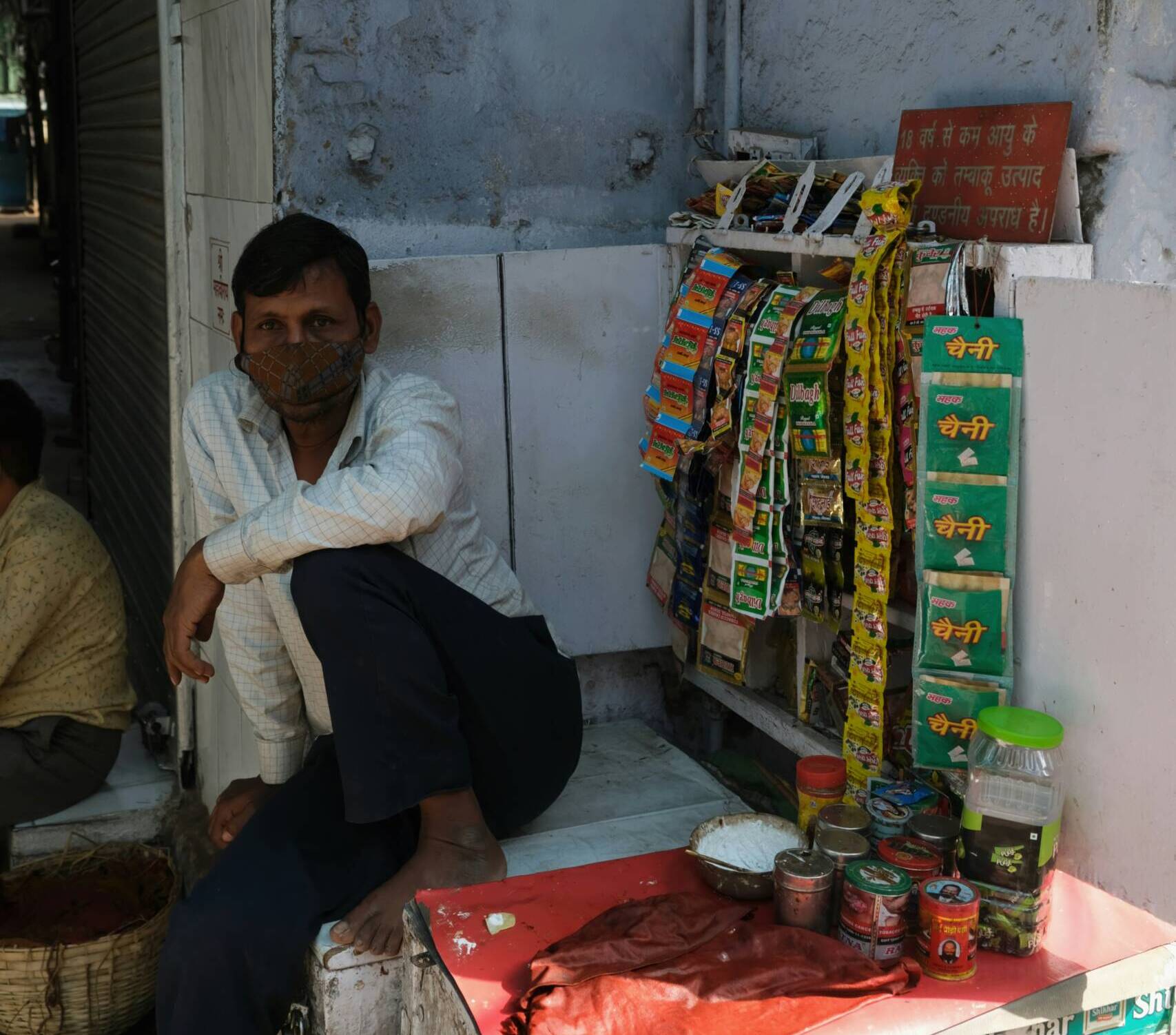
Widespread Stir In Nagaland As Government Bans Tobacco Products For A Period Of 01 Year.

Dimapur; June 2026: In accordance with Regulation 2.3.4 of the Food Safety and Standards (Prohibition and Restrictions on Sale of Certain Products) Regulations, 2011, which prohibits the use of tobacco and nicotine as ingredients in any food product, the Government Of Nagaland has imposed a state wide ban on the manufacture, processing, packaging, storage, transportation, distribution and sale of food products containing tobacco or nicotine as ingredients, including gutkha and pan masala mixed with tobacco or nicotine, for a period of 01 year till June 2027.
The department stated that tobacco and nicotine are prohibited ingredients under the Food Safety and Standards Act, 2006, and highlighted the serious public health risks posed by the widespread consumption of smokeless tobacco products, particularly among children and young adults. The notification further referred to the Supreme Court of India’s order dated September 23, 2016, in Transfer Case (Civil) No. 1 of 2010 (Central Areca Nut Marketing Corporation & Others).
According to the notification, the court observed that manufacturers had been circumventing the gutkha ban by selling pan masala and flavoured chewing tobacco in separate sachets, often marketed and sold together, enabling consumers to mix them before consumption.
Meanwhile, while supporting the Nagaland Government’s decision to prohibit the sale of food products containing tobacco or nicotine, the Kohima Chamber of Commerce and Industry (KCCI) has urged the authorities to adopt a more practical implementation approach by granting traders a 30-day grace period and issuing clear regulatory guidelines to prevent confusion and financial losses. In a statement issued yesterday (Saturday – 13th June 2026), the KCCI acknowledged the notification issued by the department of Health and Family Welfare under the Food Safety and Standards Act, 2006, banning the sale of food products containing tobacco or nicotine, including gutkha, pan masala and twin-pack chewable products.
According to the KCCI, because enforcement began immediately with zero phase-out time, small retailers who had lawfully purchased and stocked these items under valid licenses are now facing direct financial hits. It pointed out that under Indian law, business owners operating in good faith within a valid framework are entitled to a reasonable transition period.
The KCCI also highlighted confusion over product classification, stating that cigarettes, beedis and loose tobacco are regulated under the Cigarettes and Other Tobacco Products Act (COTPA), 2003, and are not classified as food products under the Food Safety and Standards Authority of India (FSSAI) framework. It claimed that these products fall outside the scope of the June 4 notification and alleged that enforcement agencies have, in some instances, treated COTPA-regulated products as prohibited under the food safety order, causing avoidable losses to traders. The chamber has urged the Kohima district administration and the department of Health and Family Welfare to issue a clear public order specifying which products are banned and which remain permissible to ensure lawful and targeted enforcement.
Among its key demands, the KCCI sought a 30-day grace period for retailers, a definitive clarification on products covered under the ban, a resolution on TVL fees, and the formation of a joint working group with KCCI representation to address implementation issues and field-level concerns. The KCCI’s appeal echoes a similar demand raised earlier by the Mokokchung Chamber of Commerce and Industry, which had also sought a one-month transition period and greater clarity on the implementation of the state’s tobacco and nicotine food products ban.
As Nagaland moves to enforce a year-long prohibition on the manufacture, storage, distribution and sale of tobacco and nicotine products, the Mokokchung Chamber of Commerce and Industry (MCCI) has urged the government to provide clarity on the notification’s implementation date and allow businesses sufficient time to clear existing stocks. In a press release the chamber stated that while it supports public health objectives, the sudden enforcement of the ban could, however, cause significant financial losses to retailers, stockists and wholesalers across the state.
Calling for greater clarity, the MCCI pointed out that while the notification mentions the duration of the prohibition, it does not clearly specify when the order takes effect. “The absence of an effective date has created confusion among the public, particularly within the business community”, it stated.
Team Maverick.








Amarnath Yatra Resumes After Six-Day Rain Halt, Pilgrims Hail Safety Arrangements and Renew Their Journey of Faith
Jammu, July 2026 : The annual Shri Amarnath Yatra resumed on Saturday after remaining susp…

Amarnath Yatra Resumes After Six-Day Rain Halt, Pilgrims Hail Safety Arrangements and Renew Their Journey of Faith
Jammu, July 2026 : The annual Shri Amarnath Yatra resumed on Saturday after remaining …