Chilean Breweries Company Ages Wines In Underwater Cellars.

January 2026: In metal cages installed on the sea floor around the small island of Locos in northern Chile, divers stock bottles of wine as part of a new underwater storage program.
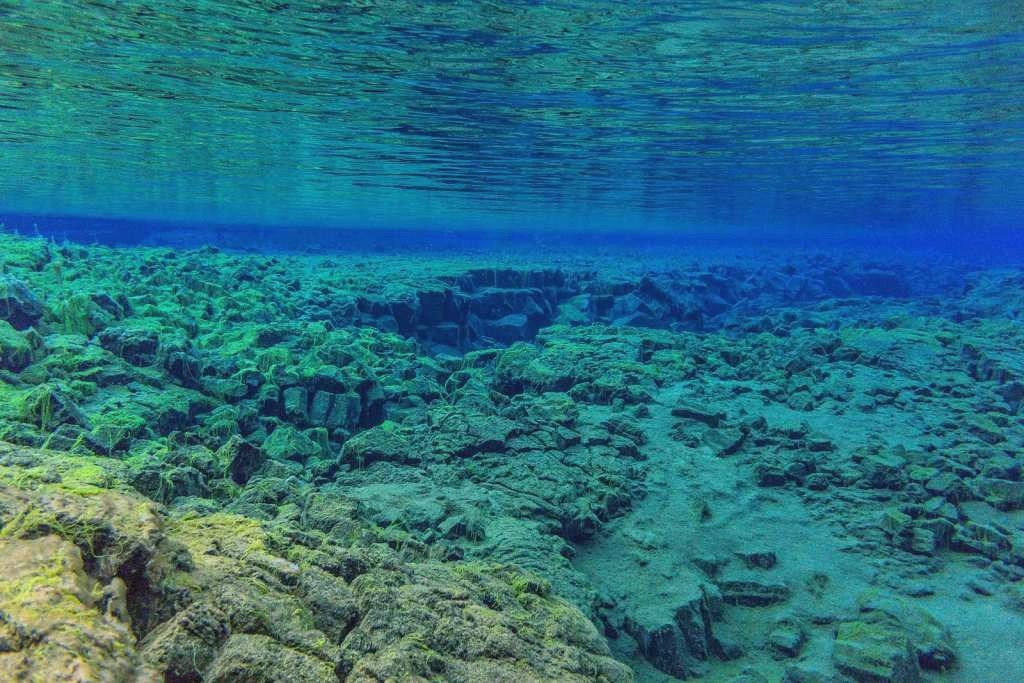
Bottles are submerged from 10 to 20 metres (33 to 66 feet) deep for 08 months to 12 months a year and surrounded by calcareous sediments, ideal for a stable, protective environment that’s great for long-term aging. A consistent temperature throughout the year of about 11 degrees Celsius (52 degrees Fahrenheit), negative pressure and just the right amount of light re-create the “cave effect” of traditional underground wine cellars.
“We are gradually finding certain products that work very well underwater”, said Alejandro Soza, director of the ODC diving centre in the Coquimbo region and whose company, Cava Indus 8, is behind the initiative.
“The tannins feel smoother, softer, the body feels more elegant”, said Brazilian sommelier Luana Balbine, while tasting one of the wines at the diving centre.
White and cool-climate grape varieties such as Chardonnay, Sauvignon Blanc, and Pinot Noir respond best to underwater aging, although the method can be applied to other varieties, the centre said. The method of preserving wine underwater has been in practice for decades, but the project is novel for Chile, one of the world’s top wine exporters, where the wine industry is a cornerstone of national identity and a major economic driver.
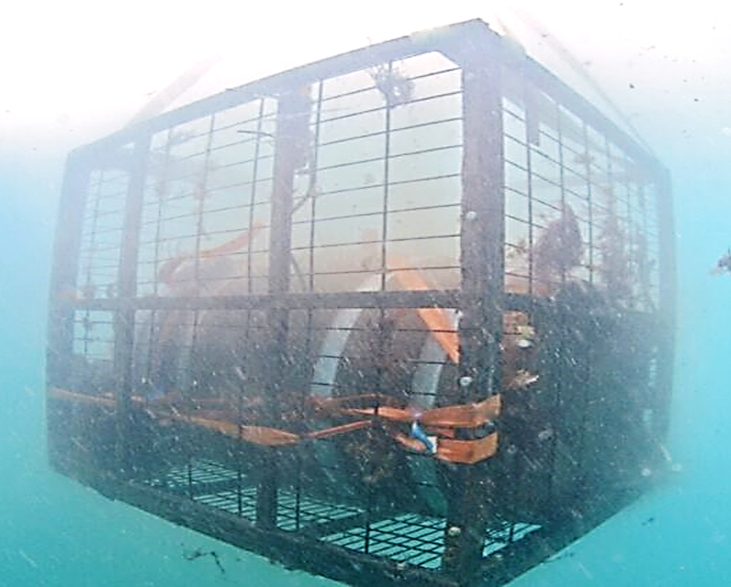
Utilising natural, constant low temperatures (around 540 F), darkness, and high pressure, these cellars accelerate aging — 01 year equivalent to roughly 05 years in traditional cellars; while creating unique, seaweed-encrusted, and salt-crusted bottle aesthetics.
Why The Strive For Underwater –
During the First World War, the German U-Boat became one of the most feared vessels in the sea. Countless ships were sunk by these terrifying boats, leading to many shipwrecks lining the sea and ocean floors.
In 1998, a team of divers decided to explore one of these shipwrecks. Located about 60 metres below the water lay a Swedish schooner named Jönköping. In 1916, this schooner was sunk by a German U-Boat, as so many others were during the Great War. But this schooner was different. Rather than carrying military personnel, it carried a different type of precious cargo – Thousands of bottles of the 1907 vintage of Heidsieck Champagne.
The divers knew that the ship lay under the cold waters of the Baltic Sea. And after a little exploration, they finally uncovered it, along with thousands of bottles of a Champagne that hadn’t been touched in over 80 years.
This was just the beginning; inspired by the 1998 explorations, a Spanish wine lover and diver named Borja Saracho to conduct an experiment. Working with a team, he gained permission to rent 500 square metres of the seabed off Spain’s north coast. His goal was simple, sink some bottles of Spanish wine using a particular container to see what effects ageing under the water would have on the drinks. After all, thousands of bottles of Champagne had been retrieved in-tact after being underwater for over eight decades. Perhaps the water had a unique effect on the wine.
Several producers volunteered to add their wines to Saracho’s sunken collection. And the experiment was a resounding success, as Saracho explains: “It was astounding. The wines’ evolution underwater was very distinct from what would happen with the same grape on land”.
Saracho discovered that wine ages differently underwater than it does on land, taking on qualities that Saracho had never seen before. The discovery was such that it inspired Saracho to found a company called Crusoe Treasure, which has pioneered the concept of underwater wine cellars ever since.
Today, producers in Croatia, Spain, Italy, and many other countries have experimented with underwater ageing wines. What started as an expedition to find some old lost wines sparked what some see as the next big revolution in the winemaking process.
What’s so Special About Ageing Wine Underwater?
Though we have mentioned Saracho discussing how ageing wines underwater imbued them with different qualities, it’s important to note that different doesn’t always mean better. If the wines tasted worse, that would be reason enough to avoid ageing them underwater.
The main reason for underwater ageing is that the conditions below the sea’s depths mimic those most ideal for ageing wine. For example, there is a complete absence of sunlight on the sea bed. The sun can’t penetrate as deeply as underwater winemakers send their drinks, meaning there is no chance the sun can hamper the ageing process. This is one of the reasons why traditional winemakers use cellars. But even opening the door to a cellar can let sunlight in, whereas that situation is impossible when ageing wines are underwater.
Team Maverick.







Pope Leo XIV Calls for Peace, Says Suffering of Innocents “Hurts All Humanity”
Vatican, March 2026 : Pope Leo XIV on Sunday expressed deep anguish over ongoing conflicts…

Pope Leo XIV Calls for Peace, Says Suffering of Innocents “Hurts All Humanity”
Vatican, March 2026 : Pope Leo XIV on Sunday expressed deep anguish over ongoing …