BCCI Contracts Signal a New Era as Indian Cricket Embraces Generational Shift

New Delhi, Feb 2026 : BCCI Contracts Signal a New Era as Indian Cricket Embraces Generational Shift Indian cricket has taken a decisive step into its future, and the message is loud and unmistakable. The Board of Control for Cricket in India’s (BCCI) 2025–26 annual player contracts are far more than a routine administrative exercise. They mark a clear generational transition, reflecting how the game’s power structure is evolving and how the next era is already taking shape.
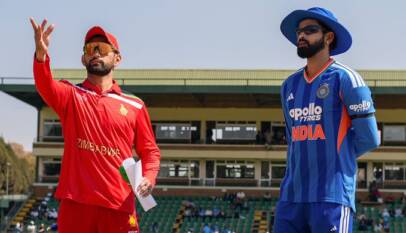
For over a decade, Indian cricket was defined by the towering presence of Virat Kohli and Rohit Sharma. Their consistency, leadership and aura formed the backbone of the national team across formats. In the latest contracts list, both legends remain centrally contracted but have been placed in Grade B — a move that subtly underlines a shift in roles. From being automatic leaders and the long-term core, they are now positioned as experienced pillars who support and guide the next wave.
Taking centre stage in Grade A are three names that define modern Indian cricket. Shubman Gill’s elevation to the top bracket is deeply symbolic. Once viewed as a prodigy with promise, Gill is now officially recognised as the future face of India’s batting. His promotion confirms the board’s belief that he will anchor India’s top order for years to come.
Jasprit Bumrah continues to be indispensable, remaining the only fast bowler in Grade A. His presence reinforces the reality that India’s pace attack still revolves around his fitness, skill and leadership. Ravindra Jadeja completes the elite trio, proving once again that his all-round excellence — with bat, ball and in the field — makes him one of the most valuable assets in world cricket.
Grade B has emerged as the team’s experienced engine room. Alongside Kohli and Rohit are players such as KL Rahul, Mohammed Siraj, Hardik Pandya and Rishabh Pant. This group represents proven match-winners who still play crucial roles across formats, even if they are no longer viewed as the long-term blueprint. Their responsibility now extends beyond performance to mentoring and stabilising a younger core.
The longest list appears in Grade C, and that is by design. It reflects India’s growing depth and the selectors’ intent to create a parallel production line rather than a mere backup pool. Names like Rinku Singh, Tilak Varma, Ruturaj Gaikwad and Arshdeep Singh highlight the strength of India’s white-ball pipeline, while emerging talents such as Dhruv Jurel and Sai Sudharsan signal long-term investments already in motion.
The women’s contracts tell a complementary story. Stability remains at the top with Harmanpreet Kaur, Smriti Mandhana, Jemimah Rodrigues and Deepti Sharma retaining their Grade A status. However, the most striking development is the expansion of the middle tier. Players like Shafali Verma and Richa Ghosh embody India’s fearless new batting identity, while several fresh entrants underline how rapidly the women’s talent pool is widening.
Ultimately, this year’s contracts are not just about pay grades — they are about direction. Youth is no longer “emerging”; it is established. Depth is no longer a luxury; it is a strategy. The BCCI’s message is unmistakable: Indian cricket’s next era isn’t on the horizon.
It has already arrived.





Netanyahu Meets Trump at White House for Eighth Bilateral Talks Amid Regional Tensions
Jerusalem/Washington, July 2026 : Israeli Prime Minister Benjamin Netanyahu arrived at the…

Netanyahu Meets Trump at White House for Eighth Bilateral Talks Amid Regional Tensions
Jerusalem/Washington, July 2026 : Israeli Prime Minister Benjamin Netanyahu arrived at the White House …