Andhra Pradesh Proposes Incentives for Third Child to Address Declining Birth Rate

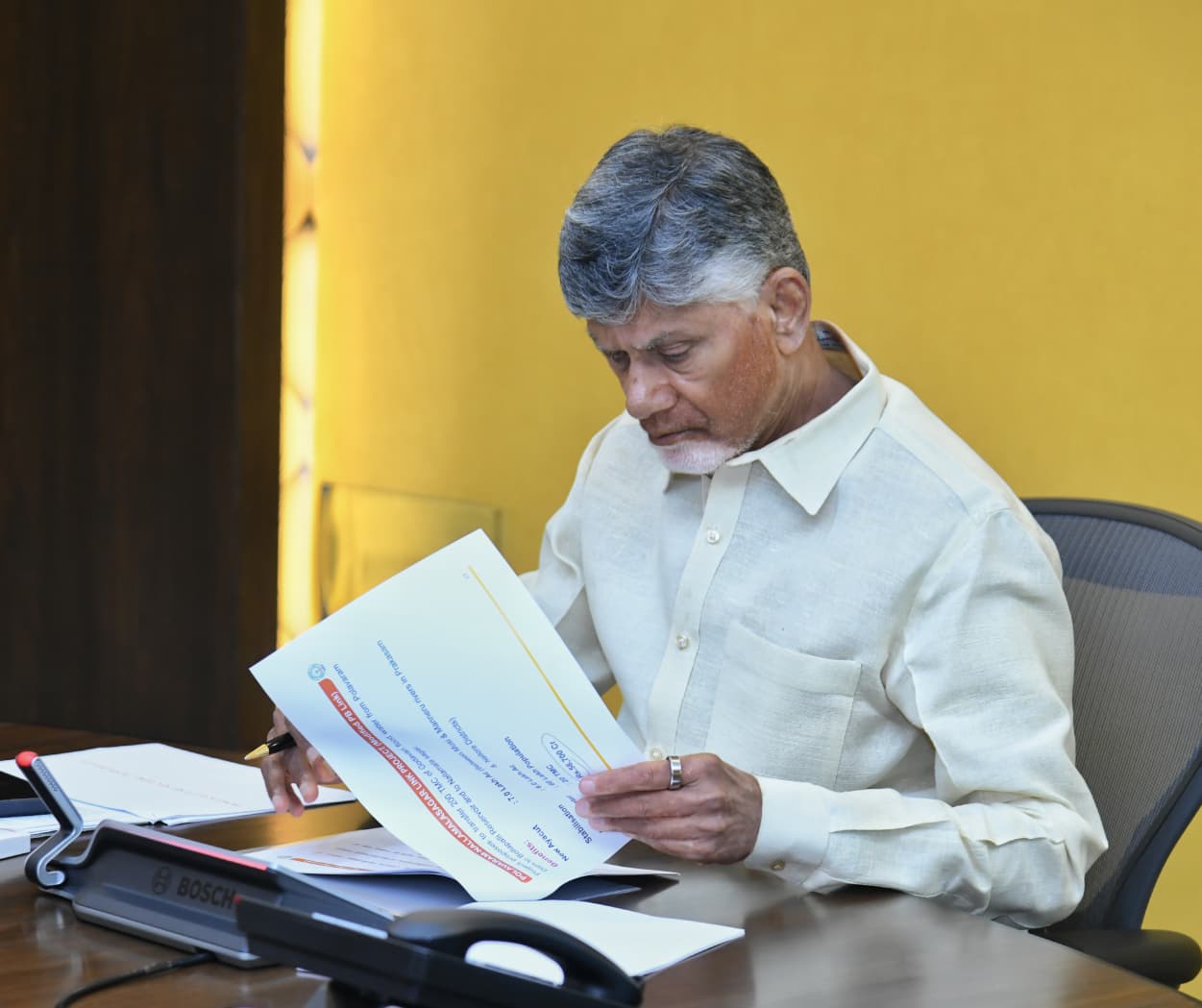
Amaravati, March 2026 : The Government of Andhra Pradesh has proposed a comprehensive population management strategy aimed at addressing the state’s declining birth rate and maintaining long-term demographic balance. Chief Minister N. Chandrababu Naidu on Thursday unveiled a draft Population Management Policy in the state Assembly, outlining a series of financial incentives and welfare measures to encourage families to have more children.
A key proposal under the draft policy includes a financial incentive of Rs 25,000 for couples who have a third child. In addition, the government plans to provide monthly nutrition assistance of Rs 1,000 for the third child for five years, along with free education up to the age of 18. The measures are intended to encourage childbirth and counter the steady decline in the state’s Total Fertility Rate (TFR).
Expressing concern over the falling birth rate, Naidu pointed out that the state’s TFR has declined sharply from 3.0 in 1993 to 1.5 at present, significantly below the replacement level of 2.1, which is considered necessary to maintain population stability. According to the Chief Minister, failure to address the issue could lead to serious demographic and economic challenges in the future.
To further support families and encourage childbirth, the state government is also considering 12 months of maternal leave and two months of paternal leave for parents. The move is aimed at providing greater support to working couples and ensuring better childcare during the early stages of a child’s life.
The Chief Minister described the proposed population management policy as a potentially groundbreaking initiative, claiming it could become one of the first comprehensive policies of its kind in the country to address declining fertility rates.
Naidu announced that the draft policy document will soon be made available online, allowing citizens to review its provisions. He also urged public representatives in every constituency to hold discussions with local communities over the next month to gather feedback and create awareness about the issue.
The state government plans to finalise the policy by the end of March, with implementation expected to begin on April 1. Naidu also indicated that the policy would be reviewed after one year and modifications would be made based on its impact and results.
Highlighting the potential consequences of continued population decline, the Chief Minister warned that the state could face an ageing population crisis similar to those seen in countries like Japan, South Korea and Italy. Such demographic shifts, he said, could lead to a shrinking workforce and slower economic growth.
Citing demographic projections, Naidu said that the state currently records approximately 6.7 lakh births annually, but if the downward trend continues, the proportion of elderly citizens could rise to 23 per cent by 2047. This would significantly increase the dependency ratio and put pressure on the state’s economic and social systems.
He emphasised that population growth aligned with changing economic and social conditions should be viewed as a strategic advantage rather than a burden. For many years, policies focused on family planning and limiting population growth, but the government now intends to shift towards what Naidu described as “population care.”
The Chief Minister also noted that earlier legislation had restricted individuals with more than two children from contesting local body elections. However, the current coalition government has removed the two-child norm, signalling a shift in policy direction.
As part of the broader framework, the population management strategy will adopt a five-stage lifecycle support system that includes programs focused on Matrutva (motherhood), Shakti (strength), Kshema (well-being), Naipunyam (skills), and Sanjeevani (longevity). These stages are designed to provide government support from pregnancy through old age.
Another major focus of the policy is increasing women’s participation in the workforce. Naidu said the current female workforce participation rate in the state stands at 31 per cent, and increasing it to 59 per cent could boost the state’s Gross State Domestic Product (GSDP) by nearly 15 per cent.
The government is also planning several infrastructure and welfare initiatives to support working women. These include establishing childcare centres and pink toilets in areas with large populations of women and children, introducing she-cabs for safer transportation, and expanding accommodation facilities for working women.
Naidu highlighted that a working women’s hostel is already under construction in Visakhapatnam at a cost of Rs 172 crore, and similar facilities could be developed in other cities where large numbers of women are employed.
In addition, the government plans to set up a Maternity Centre of Excellence and introduce IVF services in government hospitals through public-private partnerships to support couples facing fertility challenges. Efforts will also be made to reduce the rate of caesarean deliveries and bring down teenage pregnancies, which currently stand at 8.8 per cent, to below 3 per cent.
The Chief Minister reiterated that the policy aims to ensure government support at every stage of life, from pregnancy and childhood to employment and old age, while strengthening the state’s demographic and economic future.

Prime Minister participates in Vivatech 2026
Prime Minister Shri Narendra Modi, accompanied by the President of France, H.E. Mr. Emmanu…
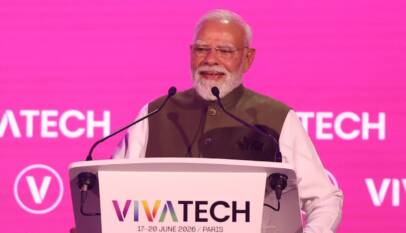
Prime Minister participates in Vivatech 2026
Prime Minister Shri Narendra Modi, accompanied by the President of France, H.E. Mr. Emmanual …