Trump Slams NATO Allies Over Iran Operation, Says US Doesn’t Need Support

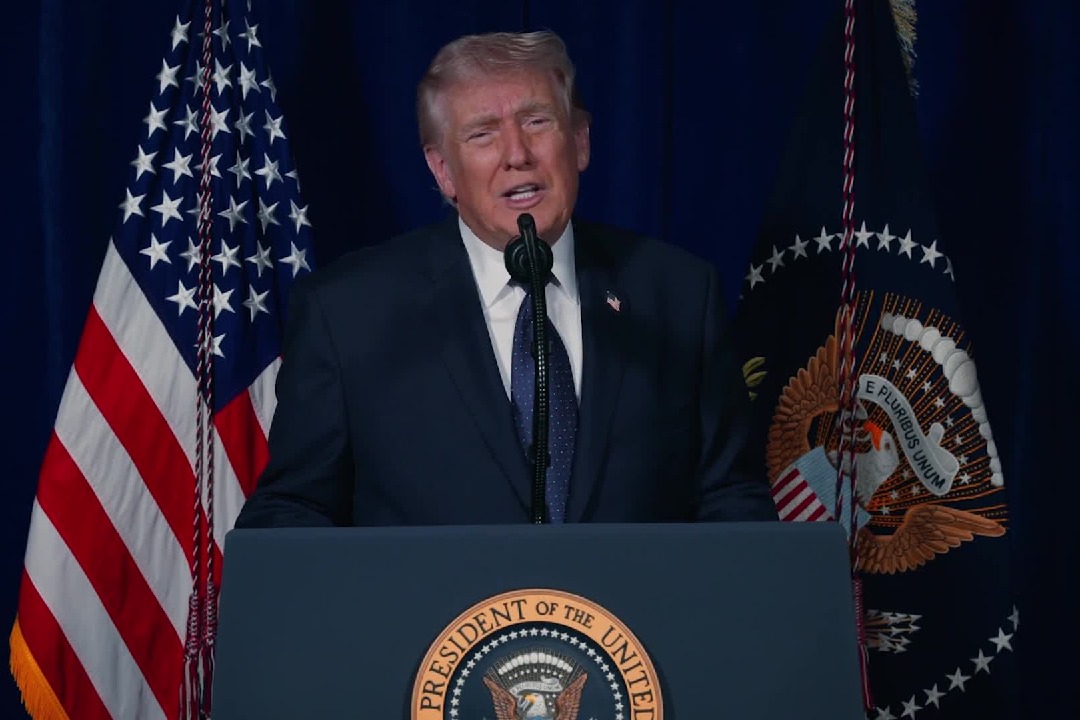
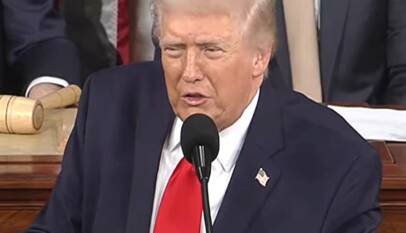
Washington, March 2026 : U.S. President Donald Trump on Tuesday sharply criticised NATO allies for declining to participate in an American military operation against Iran, asserting that the United States is capable of acting alone and does not require foreign assistance.
In a strongly worded statement, Trump said that most members of the NATO had informed Washington of their unwillingness to get involved in the operation targeting what he described as Iran’s “terrorist regime.” However, he added that despite their reluctance to join militarily, many of these countries agreed with the broader U.S. objective of preventing Iran from acquiring nuclear weapons.
The President said he was not surprised by the response, reiterating his long-standing criticism that NATO operates as a “one-way street.” According to him, the United States spends vast sums annually to defend allied nations, yet does not receive adequate support in return during critical moments. “We protect them, but they do nothing for us when it matters,” he remarked, framing the situation as a continuation of a persistent imbalance within the alliance.
Trump also claimed that U.S. forces had already inflicted significant damage on Iran’s military infrastructure. He asserted that Iran’s naval and air capabilities, as well as its air defence and radar systems, had been effectively neutralised. Additionally, he suggested that leadership structures within Iran had been severely disrupted. Based on these claimed successes, he argued that external support was no longer necessary and that the United States had never truly depended on its allies for the operation.
Expanding his criticism beyond NATO, Trump extended similar remarks to key U.S. partners in the Indo-Pacific region, including Japan, Australia, and South Korea. He emphasised that the United States does not require assistance from any nation, underscoring a broader stance of strategic self-reliance.
The comments follow remarks made a day earlier at the Oval Office, where Trump expressed disappointment over what he described as a lack of enthusiasm among allies to contribute militarily. He specifically referred to the United Kingdom, traditionally considered one of Washington’s closest allies, noting that its response to U.S. requests for naval support, including ships and minesweepers, fell short of expectations.
Trump recounted that he had urged British leadership to act decisively, expressing frustration over what he perceived as hesitation. He further stated that delayed offers of assistance held little value, stressing that support is most meaningful at the outset of a conflict rather than after major objectives have already been achieved.
The President also linked the issue to the longstanding presence of American troops overseas, citing deployments of tens of thousands of U.S. personnel in countries such as Japan, South Korea, and Germany. He argued that these commitments highlight the disproportionate burden borne by the United States in ensuring global security.
Framing the situation as validation of his earlier positions, Trump said the current developments reinforce his criticism of unequal burden-sharing within NATO. Since its formation in 1949, the alliance has been based on the principle of collective defence, with the United States serving as its largest military and financial contributor. However, debates over defence spending and participation have remained a recurring source of tension.
The issue also ties into broader U.S. policy toward Iran, particularly regarding its nuclear ambitions. During his previous tenure, Trump withdrew the United States from the 2015 nuclear agreement, arguing that it failed to permanently prevent Iran from developing nuclear weapons.
His latest remarks signal a continuation of that hardline approach, while also reigniting debate over the role of alliances in U.S. foreign policy and the expectations placed on partner nations during times of conflict.
(The content of this article is sourced from a news agency and has not been edited by the Mavericknews30 team.)


India–Pakistan Clash Headlines FIH Hockey World Cup 2026 Draw; Full Pool Schedule Announced
Mumbai, March 2026 : Traditional rivals India and Pakistan have been placed in the same Po…

India–Pakistan Clash Headlines FIH Hockey World Cup 2026 Draw; Full Pool Schedule Announced
Mumbai, March 2026 : Traditional rivals India and Pakistan have been placed in the …