South Korea May Extend Vehicle Rotation Rule to Private Sector Amid Oil Price Surge Concerns

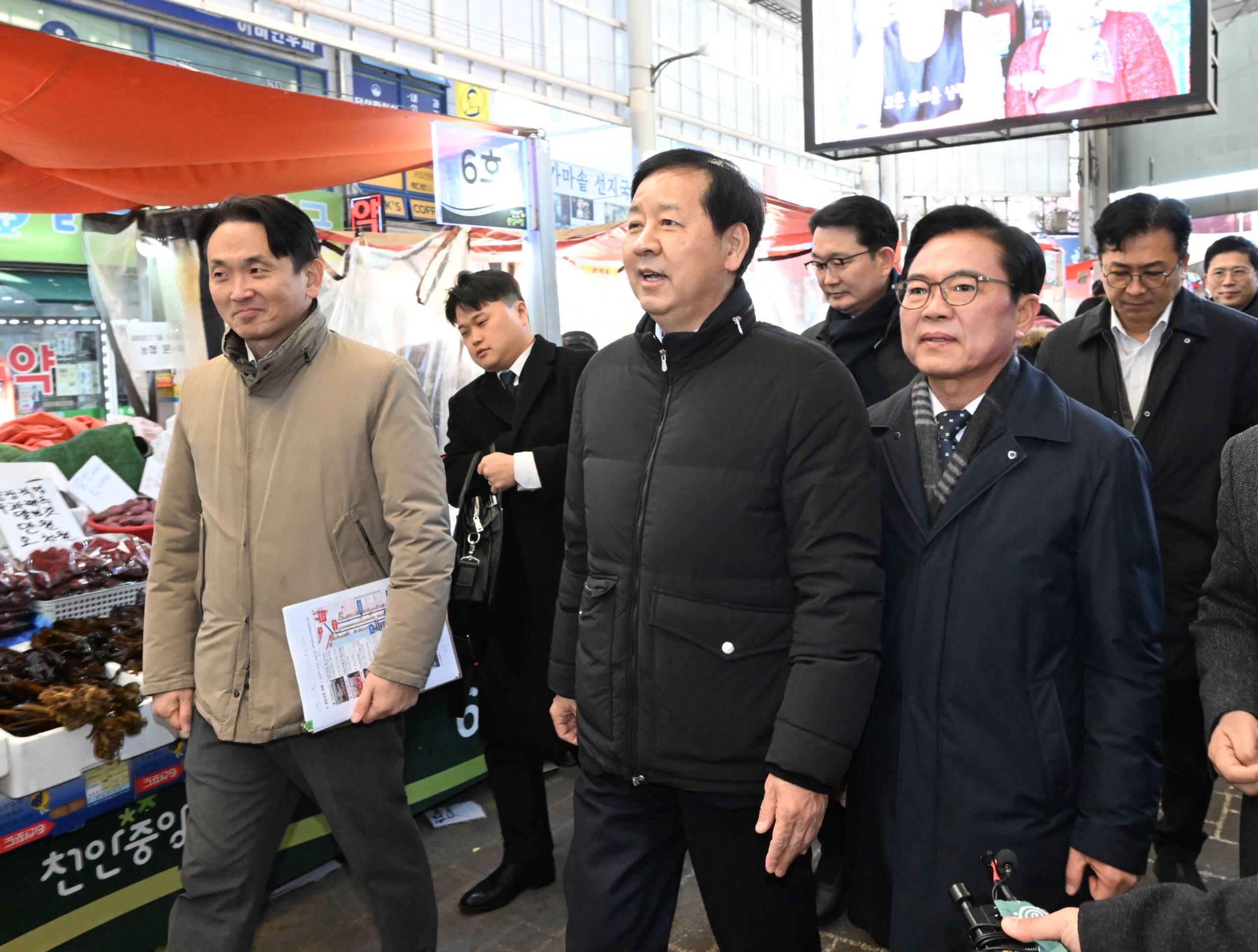
Seoul, March 2026 : South Korea is considering expanding its mandatory five-day vehicle rotation system to the private sector if global oil prices surge to between $120 and $130 per barrel, Finance Minister Koo Yun-cheol said on Sunday, highlighting growing concerns over energy security amid escalating tensions in the Middle East.
In an interview with Korean Broadcasting System (KBS), Koo stated that the government is closely monitoring developments and may raise the national resource crisis alert to Level 3 if the situation worsens. “If the situation escalates further, we may need to extend the vehicle rotation system to the private sector and seek broader public cooperation,” he said.
Currently, the alert level stands at Level 2 under the country’s four-tier national resource security framework. The government raised it last week in response to potential disruptions in crude oil supply chains. According to officials, oil prices crossing the $120–$130 threshold could trigger a Level 3 alert, up from the present $100–$110 range.
As part of immediate measures, authorities have already implemented a mandatory five-day vehicle rotation system for public sector employees while encouraging voluntary participation from private individuals and businesses. Under this system, vehicles are restricted from operating one day out of every five working days, based on the last digit of their license plate numbers.
The move is aimed at reducing fuel consumption and managing energy demand during a period of heightened geopolitical uncertainty. The government is also preparing a supplementary budget of 25 trillion won (approximately $16.6 billion) to cushion the economic impact of rising oil prices. The package is expected to support small and medium-sized enterprises, as well as vulnerable households facing increased costs.
The ruling Democratic Party of Korea and the government have agreed to submit the budget proposal to the National Assembly of South Korea later this week for approval.
Meanwhile, Industry Minister Kim Jung-kwan has called on the private sector to play a proactive role in stabilising industrial supply chains and managing energy consumption. During a meeting with leading business associations, including the Korea Chamber of Commerce and Industry, Kim urged companies to secure alternative supply sources and avoid practices such as hoarding or collusion that could disrupt markets.
He also encouraged private firms to voluntarily adopt energy-saving measures, including participation in the vehicle rotation system. As uncertainties in the Middle East persist, South Korea’s coordinated response underscores the urgency of safeguarding energy supplies and maintaining economic stability in the face of global volatility.
(The content of this article is sourced from a news agency and has not been edited by the Mavericknews30 team.)


New Financial Year to Bring Tax, Labour and Travel Reforms from April 1
Mumbai, March 2026 : A host of major financial and regulatory changes will come into effec…
New Financial Year to Bring Tax, Labour and Travel Reforms from April 1
Mumbai, March 2026 : A host of major financial and regulatory changes will come …