War Enters Complex Phase as Conflict Deepens Into Prolonged Regional Struggle

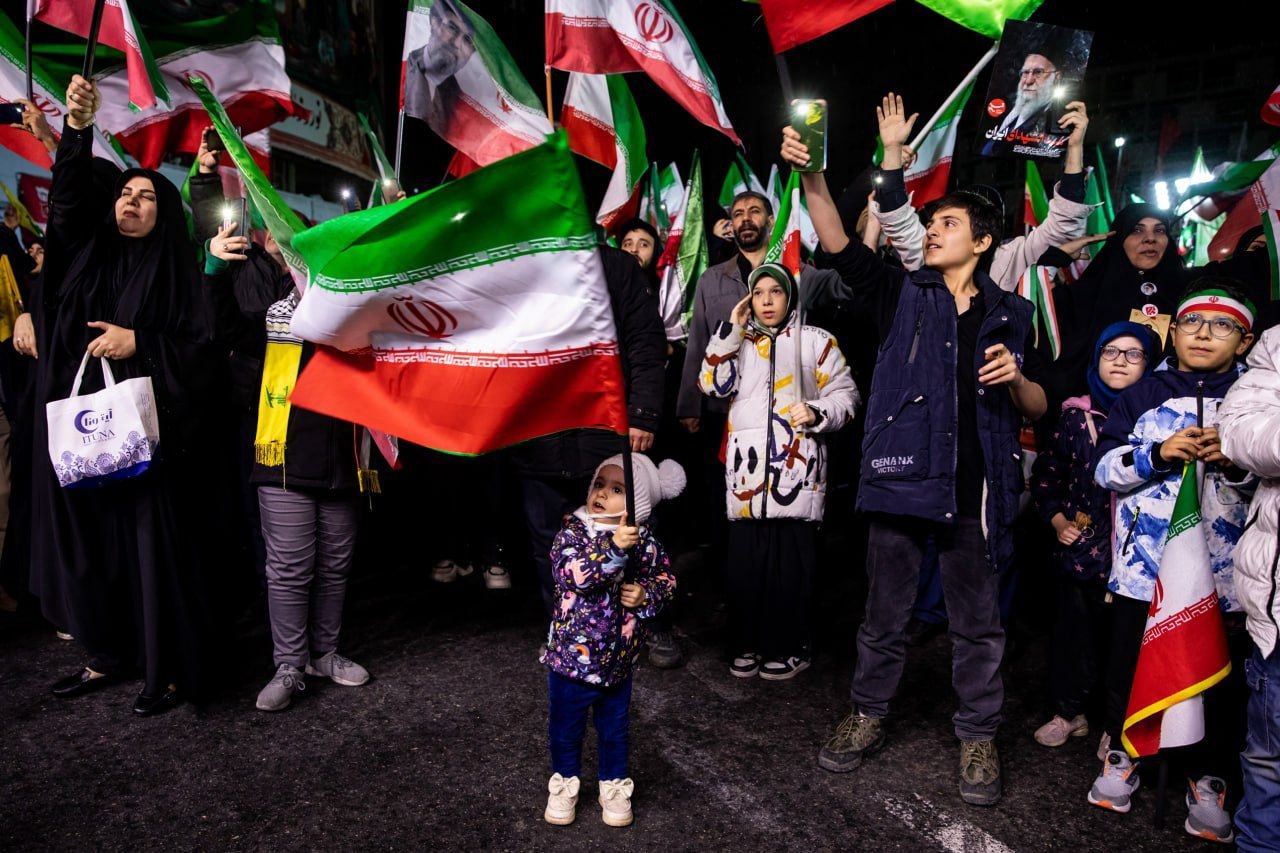
April 2026 : On the thirty-third day of the ongoing conflict, what stands out is not just its continuation, but its transformation into a far more complex and layered confrontation. What was initially expected to be a short, decisive military campaign has now evolved into a prolonged conflict with no clear or immediate path to resolution. The war has shifted in character, expanding both geographically and strategically, making it increasingly difficult to predict outcomes or timelines.
Early assumptions of a swift and high-impact operation have given way to a reality marked by sustained attacks, widening targets, and fluctuating political signals—particularly from Washington. Such indicators often suggest that a conflict has entered a more complicated phase, where initial strategies are no longer sufficient and new approaches are still uncertain.
From Sudden Strike to Regional Escalation
The origins of the war lie in a sudden and large-scale offensive launched by the United States and Israel against Iran. The objectives were ambitious: to significantly weaken Iran’s military and nuclear capabilities, and potentially push toward political restructuring within the country. The expectation was that the initial shock would lead to rapid success.
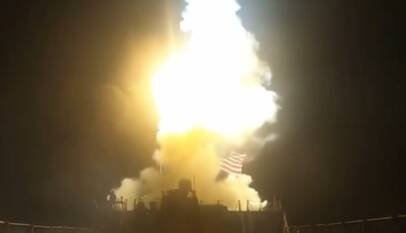
However, Iran’s immediate and coordinated response altered the trajectory of the conflict. Within hours, Tehran demonstrated that it would not limit its retaliation. Attacks were launched on U.S. bases across the region, and the conflict quickly expanded beyond national borders. This rapid escalation turned what might have been a contained operation into a broader regional crisis.
By responding swiftly and decisively, Iran effectively neutralised the initial advantage held by its adversaries. The idea of a short war began to fade as the confrontation deepened.
Strategic Deadlock Emerges
One of the most striking features of the current situation is the widening gap between early expectations and present realities. A war that was projected to last only a few days has now extended well into its second month, raising questions about strategy and long-term planning.
Political messaging from the United States has reflected this uncertainty. Over recent weeks, there have been mixed signals—from claims that the war is nearing its end to assertions that operations will continue until all objectives are achieved. At times, there have been hints of possible negotiations, while at others, strong threats of escalation have been issued.
This inconsistency suggests the absence of a clear exit strategy. It is a common feature of conflicts where initial goals remain unmet, and the cost of continuing operations continues to rise. The longer the war persists, the more complex decision-making becomes for all sides involved.
Changing Nature of the Battlefield
Another major shift has been observed in the nature of targets. While early strikes focused primarily on military installations, recent attacks have increasingly targeted economic and industrial infrastructure. Energy facilities, production centres, and other critical assets have come under fire.
This change reflects a broader strategy: when direct military objectives do not produce quick results, pressure shifts to weakening the opponent’s economic stability and social resilience. By targeting infrastructure, both sides aim to increase the overall cost of the conflict for their adversaries.
In response, counterattacks have mirrored this approach, expanding the scope of damage across a wider geographical area. The battlefield is no longer confined to military zones—it now includes vital economic networks and civilian-linked infrastructure, further complicating the situation.
Assessing the Balance of Power
Determining who holds the upper hand in this conflict is not straightforward. While the United States and Israel maintain clear superiority in terms of conventional military power—particularly in airstrikes and precision targeting—this advantage has not translated into a decisive outcome.
Iran, on the other hand, has adopted a different strategy. Rather than concentrating force in a single location, it has spread its operations across multiple regions. This approach may reduce the intensity of damage in any one area, but it significantly expands the overall scope of the conflict and increases uncertainty for its opponents.
Geography also plays a crucial role. The United States operates far from its mainland, with much of the impact being felt at its regional bases and strategic interests. This creates a perception of lower direct cost domestically, even though operational challenges and losses remain substantial.
Another important factor is the control of information. Limited visibility into the full extent of damage and casualties—particularly on the U.S. and Israeli side—makes it difficult to form a complete picture. Meanwhile, the persistence and intensity of Iranian strikes suggest that its operational capabilities remain intact.
Overall, while there is a tactical advantage on one side, the broader strategic picture remains highly complex and unresolved.
Expanding Stakes and Global Implications
The conflict has also taken on a broader geopolitical dimension. Strategic chokepoints and economic lifelines, such as key maritime routes, have become part of the equation. These elements elevate the conflict from a regional military confrontation to an issue with global economic implications.
By leveraging such factors, the war has extended its impact far beyond the immediate battlefield. This adds another layer of complexity, as global stakeholders become indirectly affected by the unfolding situation.
Short-Term Outlook: Escalation Likely
Current indicators suggest that the conflict may intensify further in the near term. Increased military activity, expanded targeting of economic assets, and continued strategic manoeuvring all point toward a potential escalation in the coming days or weeks.
At the same time, the possibility of a sudden political shift—such as negotiations or a ceasefire—cannot be entirely ruled out. However, under present conditions, escalation appears more likely than de-escalation.
A War Without Easy Answers
What began as a campaign aimed at rapid and decisive results has now become one of the most complex conflicts in recent times. The interplay of military strategy, political uncertainty, economic pressure, and regional dynamics has created a situation where simple solutions are no longer viable.
As the war moves deeper into its prolonged phase, it presents a growing challenge for all parties involved. Decisions made in the coming days will likely shape not only the outcome of the conflict but also the broader geopolitical landscape for years to come.
(The content of this article is sourced from a news agency and has not been edited by the Mavericknews30 team.)




Hockey Junior Men’s Nationals: Rajasthan, Telangana, Puducherry Shine in Coimbatore
Coimbatore, July 2026 : Hockey Rajasthan, Telangana Hockey and Le Puducherry Hockey regist…

Hockey Junior Men’s Nationals: Rajasthan, Telangana, Puducherry Shine in Coimbatore
Coimbatore, July 2026 : Hockey Rajasthan, Telangana Hockey and Le Puducherry Hockey registered impressive …