Global Call for Diplomatic Pressure to Reopen Strait of Hormuz

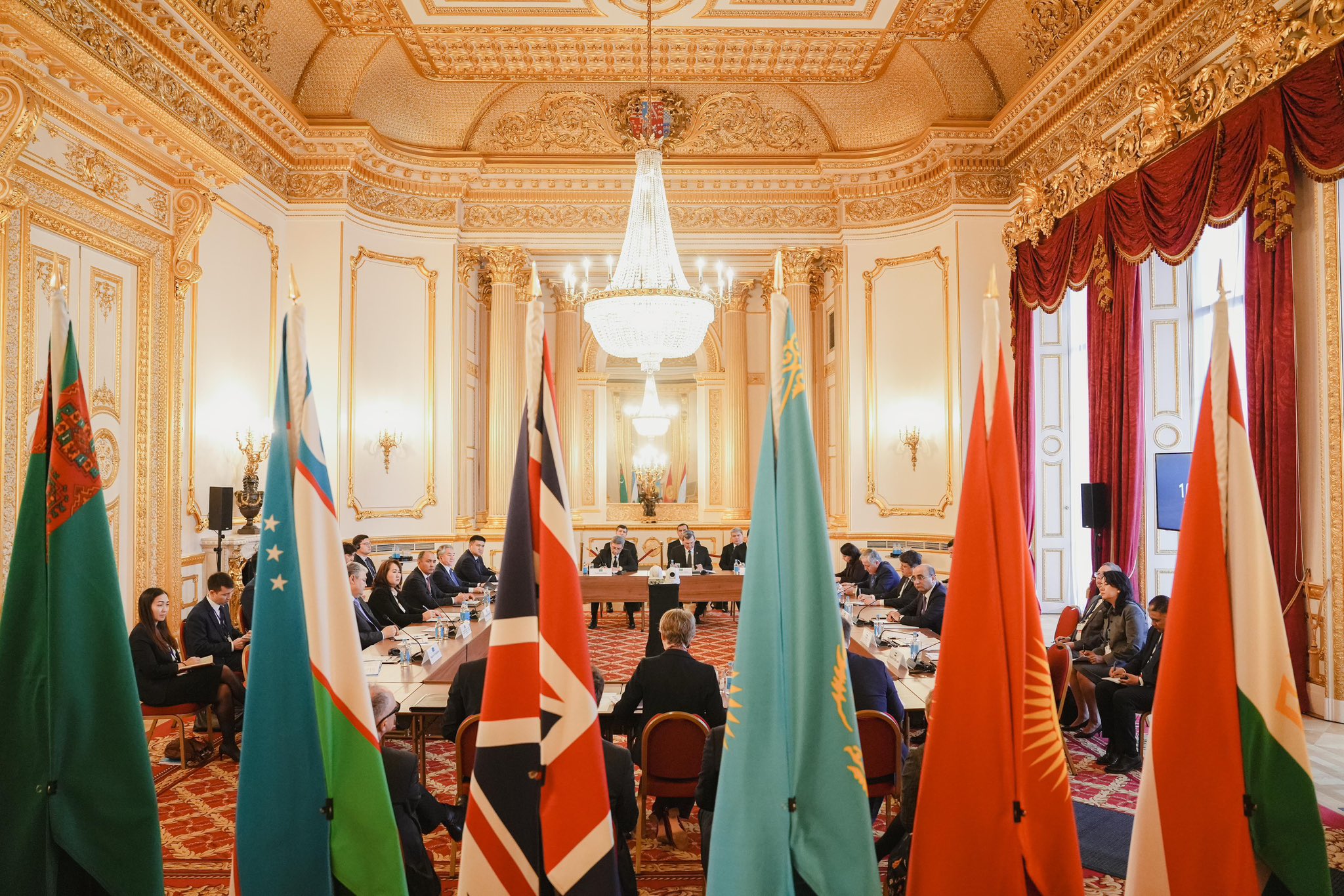
New York, April 2026 : Britain has urged coordinated international action to address the growing crisis in the Strait of Hormuz, with Home Secretary Yvette Cooper calling for collective diplomatic and economic pressure on Iran to restore normal shipping operations.
Speaking at a high-level meeting involving around 40 countries, including India, Cooper described Iran’s actions in the Strait as a direct threat to global economic stability. She accused Tehran of effectively “hijacking” a critical international shipping route, warning that the disruption is impacting energy supplies and markets worldwide.
The Strait of Hormuz, through which nearly 20 per cent of the world’s oil and gas flows, has become a focal point of geopolitical tension amid the ongoing conflict involving Iran, the United States, and Israel. Restrictions on maritime movement in this narrow waterway have already triggered volatility in global energy prices and raised concerns over supply security.
Cooper emphasised that the immediate priority is to ensure the safety of vessels and seafarers currently stranded or navigating through the region. She called for coordinated global efforts to enable the safe and sustained reopening of the Strait, highlighting the need for strong diplomatic engagement and economic leverage.
While she did not outline specific punitive measures, Cooper indicated that discussions are underway to mobilise a broad range of tools, including sanctions and international pressure mechanisms. She also pointed to the importance of preparing for a post-conflict scenario, where stabilisation efforts would be crucial.
“We are focusing on diplomatic and international planning measures, including collective mobilisation of our full range of tools,” she said, adding that military planners are also being consulted. These discussions include potential defensive actions such as de-mining operations and reassurance measures to secure maritime routes once tensions ease.
The meeting, convened from London and held largely via video conference, brought together major economies such as Japan, Germany, and France, along with Gulf nations. Notably, the United States and China were not part of the discussions, despite being significantly affected by the crisis.
The talks came shortly after US President Donald Trump suggested that countries dependent on the Strait should take responsibility for securing it themselves. His remarks, combined with renewed threats of intensified military action against Iran in the coming weeks, have added to concerns about further escalation.
Meanwhile, diplomatic differences have emerged among global leaders. Emmanuel Macron ruled out the possibility of a military operation to reopen the Strait, describing such an approach as unrealistic and reiterating France’s preference for diplomatic solutions.
Despite claims by Washington that Iran’s military capabilities have been significantly weakened, Tehran has continued to exert control over maritime traffic in the Strait. It has allowed limited passage to vessels from countries it considers “non-hostile,” including some carrying energy supplies from India, while maintaining restrictions on others.
As the conflict enters its second month, the situation in the Strait of Hormuz remains a critical concern for the global economy. With energy markets under pressure and shipping routes disrupted, the international community faces mounting urgency to find a coordinated and sustainable solution to restore stability in one of the world’s most vital maritime corridors.



AAHL’s Navi Mumbai, Guwahati Airports in Prix Versailles 2026 List
Editor’s Synopsis • Navi Mumbai International Airport and Lokpriya Gopinath Bordoloi Inter…
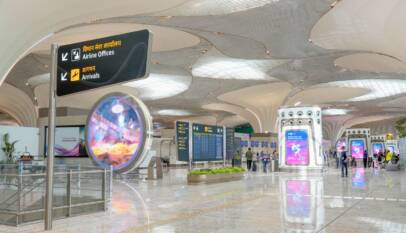
AAHL’s Navi Mumbai, Guwahati Airports in Prix Versailles 2026 List
Editor’s Synopsis • Navi Mumbai International Airport and Lokpriya Gopinath Bordoloi International Airport, both …