Trump Says Iran Deal Will Keep Strait of Hormuz Permanently Open, Prevent Nuclear Threat

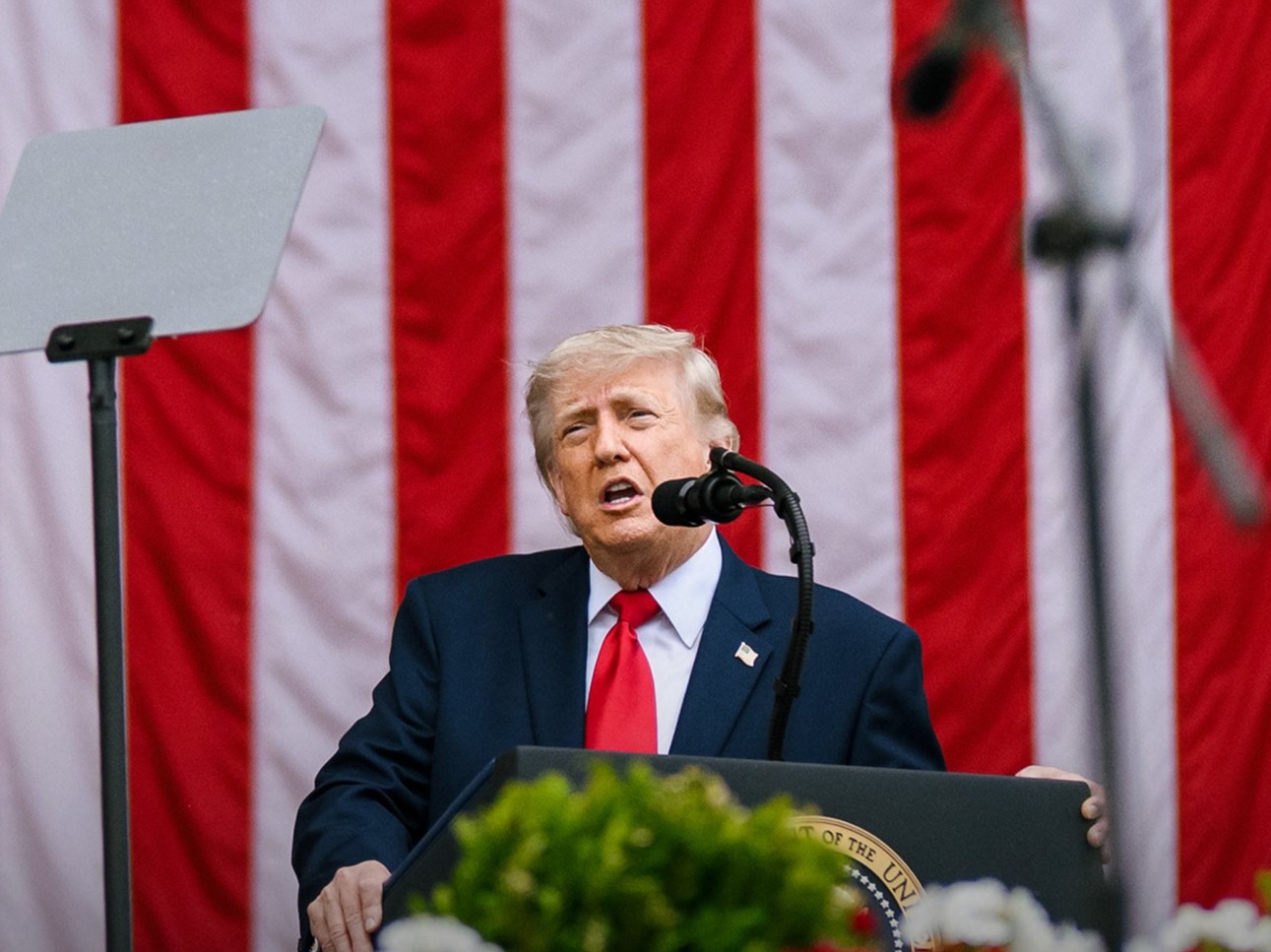
Washington, June 2026 : US President Donald Trump on Monday asserted that the agreement reached between his administration and Iran would ensure that the Strait of Hormuz remains “permanently toll-free,” describing the accord as a major diplomatic breakthrough aimed at safeguarding global energy supplies and preventing Tehran from acquiring nuclear weapons.
In an exclusive interview with The New York Times, Trump said the proposed agreement would secure one of the world’s most strategically important maritime routes while reducing the risk of a wider conflict in the Middle East.
According to the report, Trump argued that the accord would guarantee uninterrupted access through the Strait of Hormuz, a narrow waterway that handles a significant share of global oil and natural gas shipments.
The US President reportedly stated that the deal would ensure the strait remains “permanently toll-free” and claimed that his administration’s actions had “saved Israel from nuclear obliteration.”
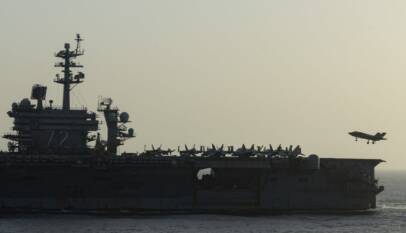
The Strait of Hormuz has been at the centre of tensions between Washington and Tehran in recent months, with military confrontations and a US naval blockade disrupting commercial shipping and rattling global energy markets. Hundreds of vessels were stranded during the conflict, leading to concerns over fuel supplies and rising shipping costs worldwide.
Trump said the agreement was expected to reopen the vital shipping corridor and restore stability to international trade routes. However, he warned that military action remained an option if diplomacy ultimately failed.
According to The New York Times, Trump stated that if Iran does not reach a final nuclear accord with the United States, Washington could resume military operations against Tehran.
The President also defended his administration’s earlier military strikes on Iran, arguing that the attacks, combined with the naval blockade, had shifted the regional balance in America’s favour and paved the way for the current agreement.
Trump praised Chinese President Xi Jinping and Russian President Vladimir Putin for what he described as their constructive roles in facilitating diplomacy. At the same time, he was critical of Israeli Prime Minister Benjamin Netanyahu, reportedly calling him “a very difficult guy” and suggesting that Israeli military actions had nearly derailed the negotiations.
Despite Trump’s optimistic assessment, several key issues remain unresolved. The full text of the agreement has not yet been made public, and negotiations are expected to continue over contentious matters such as Iran’s nuclear programme, sanctions relief and the future of Tehran’s enriched uranium stockpile.
According to The New York Times, both sides have deferred some of the most difficult issues to future rounds of talks.
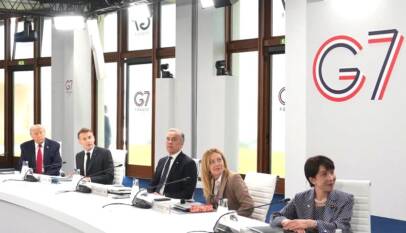
The proposed agreement is also expected to feature prominently at the upcoming Group of Seven (G7) summit in France. A report by The Wall Street Journal said allied leaders are seeking greater clarity on how the agreement will be implemented and monitored.
Meanwhile, shipping companies have cautiously welcomed the prospect of the Strait reopening. However, many operators are reportedly waiting for concrete security guarantees before fully resuming normal maritime traffic through the crucial waterway.
As global leaders assess the agreement’s implications, its success may ultimately depend on whether Washington and Tehran can transform the current understanding into a durable and comprehensive peace framework.
(The content of this article is sourced from a news agency and has not been edited by the Mavericknews30 team.)

FIP Challenges Official Findings in Air India AI 171 Crash, Cites Electrical Failure as Likely Cause
New Delhi, June 2026 : The Federation of Indian Pilots (FIP) has questioned the official n…
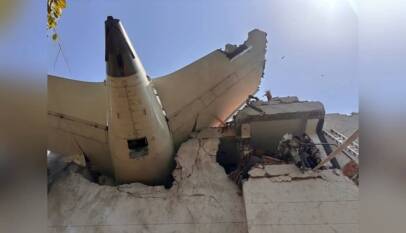
FIP Challenges Official Findings in Air India AI 171 Crash, Cites Electrical Failure as Likely Cause
New Delhi, June 2026 : The Federation of Indian Pilots (FIP) has questioned the …