Discover the Charm of North East India: A Tourist’s Paradise

North East India, comprising Arunachal Pradesh, Assam, Manipur, Meghalaya, Mizoram, Nagaland, Sikkim, and Tripura, is a treasure trove of natural splendor and cultural richness. This unique region offers tourists a chance to explore some of India’s most scenic landscapes, rare wildlife, historical landmarks, and vibrant cultural traditions. Whether you’re drawn to majestic wildlife, traditional festivals, thrilling adventure sports, or serene river cruises, North East India presents endless opportunities for discovery and wonder.
Enchanting Wildlife and Scenic Beauty
The region boasts some of India’s premier wildlife sanctuaries and national parks. Assam’s Kaziranga National Park, a UNESCO World Heritage Site, is famous for its thriving population of the Great One-horned Rhinoceros and holds one of the highest densities of tigers among protected areas. Other notable wildlife havens in Assam, such as Manas National Park, Nameri, Orang, and Dibru Saikhowa, attract nature lovers with their diverse ecosystems. Manipur’s Keibul Lamjao National Park, uniquely situated on the floating phumdis of Loktak Lake, is the only floating national park in the world and is home to the endangered Sangai deer.
The Brahmaputra River, a lifeline flowing through Assam, offers scenic river cruises that showcase breathtaking views of lush landscapes. Adventurers can also experience the thrill of white-water rafting on the Brahmaputra’s tributaries in Arunachal Pradesh, providing an exciting way to explore the region’s natural beauty.
Arunachal Pradesh – A Land of Monasteries and Mountains
Arunachal Pradesh is a land of breathtaking mountains, serene lakes, and ancient monasteries. Tawang, located at an elevation of 3,048 meters, is one of the most popular tourist destinations in the state. The Tawang Monastery, which is the second largest in Asia, is a spiritual center for Buddhists and offers stunning views of the surrounding mountains. Visitors can also explore Sela Pass, a high-altitude mountain pass, and the tranquil PTSO Lake.
Ziro, a picturesque town surrounded by gentle hills and rice fields, is famous for the Ziro Music Festival, held every September. It is also the home of the Apatani tribe, known for their unique culture and sustainable agricultural practices. The town has been included in India’s Tentative List for UNESCO’s World Heritage Sites, underscoring its cultural significance.
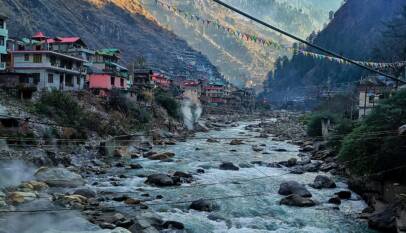
Mechuka, also known as Menchukha, is a small town in the West Siang district, surrounded by lush forests and pine trees. The Yargyapchu River flows through the valley, adding to its scenic beauty. Pasighat, the oldest town in Arunachal Pradesh, offers a fascinating history and serves as the gateway to adventure sports like rafting and angling.
Assam – The Land of Tea Gardens and Temples

Assam is famous not only for its tea gardens but also for its cultural and historical landmarks. The Kaziranga National Park, a key highlight, allows tourists to embark on elephant and jeep safaris to explore its rich biodiversity. The Kamakhya Temple in Guwahati, dedicated to the mother goddess Kamakhya, is one of the oldest Shakti Pithas and an important pilgrimage site for Hindus.

The Brahmaputra River, one of Asia’s major rivers, provides an excellent opportunity for river cruises that showcase Assam’s natural beauty and cultural heritage. The city of Sivasagar, once the capital of the Ahom Kingdom, is known for its ancient Shiva temple, palaces, and monuments, reflecting the state’s historical significance.
Manipur – A Blend of Nature and History
Manipur, often referred to as the “Jewel of India,” is known for its scenic landscapes and rich cultural traditions. Loktak Lake, the largest freshwater lake in Northeast India, is famous for its “phumdis” or floating islands of vegetation, which house local communities. Visitors can take boat rides through the lake’s labyrinthine waterways and explore the colorful water plants that dot the surface.

Moirang, located near Loktak Lake, holds a special place in India’s history as the site where the flag of the Indian National Army was first raised during World War II. The INA Museum in Moirang commemorates this historical event with displays of photographs, letters, and memorabilia related to the struggle for independence.
Khwairamband Bazaar, also known as Ima Market, is a unique, all-women’s market in Imphal. It is divided into two sections: one for selling vegetables, fruits, and groceries, and the other for handlooms and household tools. This market showcases the entrepreneurial spirit of Manipuri women and is a must-visit for anyone interested in local culture and crafts.
Meghalaya – The Land of Clouds
Meghalaya, meaning “the abode of clouds,” is a state of rolling hills, dense forests, and abundant rainfall. Shillong, the capital city, is often called the “Scotland of the East” due to its scenic beauty and pleasant weather. The city has grown considerably since the British era and was the capital of undivided Assam until the formation of Meghalaya in 1972. It continues to be a popular hill station and was voted “India’s Favorite Hill Station” in 2016.
Cherrapunji, historically known as Sohra, is famous for being one of the wettest places on earth. It holds the record for the highest annual rainfall and the most rainfall in a single month. Nearby Mawsynram, which currently holds the title for the wettest place on Earth, also attracts visitors for its heavy rainfall and lush green landscapes.

Mawlynnong, recognized as the “Cleanest Village in Asia” by Discover India Magazine, is another key destination in Meghalaya. The village is renowned for its cleanliness, natural beauty, and living root bridges, which are unique to the region. Dawki, a border town with Bangladesh, features the Umngot River, famous for its crystal-clear waters, making it a popular spot for boating.
Mizoram – A State of Hills and Waterfalls
Mizoram, the “Land of the Mizos,” is known for its dramatic hills, valleys, and waterfalls. The state capital, Aizawl, is a bustling city perched on steep ridges at an elevation of 1,132 meters. It is well-connected by air, with daily flights from major cities like Kolkata and Guwahati.

Thenzawl, a village located 43 kilometers from Aizawl, is an important center for traditional Mizo handloom weaving. Visitors can observe the creation of intricate handwoven textiles that are a hallmark of Mizo culture. Hmuifang, with its virgin forests, and Vantawng Falls, the highest waterfall in Mizoram, are ideal destinations for nature lovers seeking tranquility and scenic beauty.
Nagaland – Land of Festivals and Culture
Nagaland, a state known for its vibrant festivals and cultural heritage, is home to diverse tribes, each with its own customs and traditions. Khonoma, a historic village near Kohima, played a crucial role in resisting British rule in the region. The village is often associated with the brave warriors who stood against colonial forces during the 19th century.

Wokha, the land of the Lotha tribe, offers stunning landscapes of mountains and rivers. The town is famous for its folk dances and songs, which reflect the cultural richness of the Lotha people. Pfutsero, the coldest inhabited place in Nagaland, is known for its Baptist Theological College and offers scenic views, especially during the harvest season.
Mokokchung, considered the cultural center of the Ao tribe, has several tourist spots like Longkhum, Mopungchuket, and Ungma. These locations provide insights into the traditions and lifestyle of the Ao people and serve as gateways to understanding Naga culture.
Sikkim – A Himalayan Wonderland
Sikkim, nestled in the eastern Himalayas, is a land of rugged mountains, pristine lakes, and ancient monasteries. The state capital, Gangtok, is situated on a ridge at an altitude of 5,500 feet, offering spectacular views of the Khangchendzonga, the third-highest mountain in the world. Gangtok serves as a base for exploring the rest of the state and provides modern amenities for travelers.

Changu Lake, located 38 kilometers from Gangtok, is a stunning glacial lake at an elevation of 12,400 feet. The lake’s appearance changes with the seasons, from being frozen in winter to surrounded by colorful flowers in spring. Rumtek Monastery, another popular site, showcases Tibetan architecture and serves as an important center for Buddhist learning.
Aritar, in east Sikkim, is known for its rich history and natural beauty. The lush green forests, rolling hills of paddy fields, and tranquil lakes make it a perfect destination for nature enthusiasts. The Aritar Gumpa monastery, belonging to the Karma Kagyu order of Tibetan Buddhism, adds a spiritual dimension to the experience.
Tripura – The Land of Palaces and Temples
Tripura, though small in size, is rich in history and culture. The Ujjayanta Palace in Agartala, built by Maharaja Radha Kishore Manikya, is a testament to the state’s royal past. The palace, surrounded by Mughal-style gardens, now serves as a museum showcasing the art, culture, and lifestyle of the communities in North East India.

The Tripura Sundari Temple, one of the 51 Shakti Peethas in India, is believed to be the site where the right foot of Goddess Sati fell, according to Hindu mythology. The temple is an important pilgrimage site for devotees of the goddess.
Rudrasagar Lake, with the famous Neermahal palace situated in its center, offers visitors the chance to witness a blend of Hindu and Mughal architectural styles. Unakoti, a site




Israel Rejects Gaza Disarmament Plan, Says IDF Will Stay Until Hamas Fully Disarmed
Jerusalem, July 2026 : Israel has reiterated its strong opposition to the US-backed plan f…

Israel Rejects Gaza Disarmament Plan, Says IDF Will Stay Until Hamas Fully Disarmed
Jerusalem, July 2026 : Israel has reiterated its strong opposition to the US-backed plan …