“Alps, Castles, and Hidden Gems” – My Unforgettable Journey Across Europe

By Col. Tribhuvan Singh Dhami (Retd)
Travel, for me, has always been more than a leisure activity; it is an opportunity to immerse oneself in diverse cultures, absorb history, marvel at natural landscapes, and live moments that imprint themselves forever on memory. My recent journey across Germany, Austria, the Czech Republic, Slovakia, and Hungary was a profound testament to the enchantment that Europe offers. From the disciplined roads of Germany to the fairy-tale towns of the Czech Republic, from Austria’s musical streets to Hungary’s architectural splendor, this expedition was an odyssey of the senses.

Munich, Germany – A Harmonious Blend of Tradition and Modernity
The adventure began with a flight to Munich, or München, a city that is the very embodiment of Bavarian charm. For many travelers, flying is the most convenient entry point, but I strongly advocate exploring Europe by road whenever possible. The landscapes that unfold along the highways are breathtaking – rolling green hills, orderly villages, snow-capped Alps in the distance, and roads so meticulously maintained that even a single dust particle seemed out of place. Driving here is a lesson in discipline and efficiency; the traffic rules are respected by all, and the sheer smoothness of the highways makes the journey almost meditative.

Munich itself is a treasure trove of culture, history, and gastronomy. The New Townhall, with its magnificent Glockenspiel, is an architectural marvel, while Marienplatz pulses with life at all hours. I spent hours simply absorbing the grandeur of the Cathedral of Our Dear Lady, its Gothic spires reaching for the sky. One of Munich’s highlights is the Viktualienmarkt, a sprawling open-air market established in 1807. Walking through more than a hundred stalls filled with fresh fruits, cheeses, meats, flowers, and artisanal products, I was struck by the vibrancy and authenticity of this marketplace. A must-do is to visit the iconic Bavarian Beer Gardens, where locals and travelers alike gather to share laughter, beer, and hearty conversations.
Interestingly, I chose not to document everything with a camera. Friends often asked why I didn’t click more photos or videos, but I preferred living the experience fully. There is something irreplaceable about committing a moment to memory, watching the sunlight glint off cobblestones, or listening to the chime of a clock tower without the filter of a lens.
Local cuisine in Munich is an absolute delight. I indulged in Weißwurst (white sausage), freshly baked pretzels, and Schweinsbraten (roast pork), all paired with authentic Bavarian beer. Each bite tells a story of centuries-old culinary traditions, and the warmth of the locals adds flavor that no recipe can capture.

Hallstatt, Austria – A Frozen Alpine Dream
From Munich, we traveled by road to Hallstatt, Austria – a journey that can only be described as cinematic. German and Austrian highways are wonders in themselves, offering vistas of pristine lakes, snow-dusted peaks, and valleys that appear to be straight out of a painting.
Hallstatt, a UNESCO World Heritage Site, is famed for its 16th-century houses perched against a mountain-lake backdrop. Walking through the town, the blend of natural beauty and history is captivating. The narrow streets, wooden balconies, and charming little cafes create a serene atmosphere. I still remember pausing to watch the reflection of the Alps in the placid lake waters, a moment so still it felt suspended in time.
One of the most remarkable experiences in Hallstatt is visiting the Zwolferhorn peak, standing at 5,000 feet. Named after Alpine Pasture dwellers who noted that the sun stood directly above it at noon, this mountain offers a cable car ride that feels like gliding into the clouds. We were greeted with snowfall on October 28, transforming the landscape into a pristine winter wonderland. From the summit, the panorama of mountains, valleys, and lakes is breathtaking, a sight I would recommend to any traveler.
Hallstatt is also a haven for culinary enthusiasts. I sampled freshly caught fish from the Hallstätter See, paired with Austrian wines, and enjoyed traditional dishes like Kasnocken (cheese dumplings). The local bakeries, with pastries dusted in powdered sugar, offered an indulgence that felt like tasting the region’s history.
Travel tip: Hallstatt is small, so walking is the best way to explore. Early mornings or late evenings are perfect to experience the town’s tranquility, avoiding tourist crowds.
Salzburg, Austria – A City in Harmony with Music
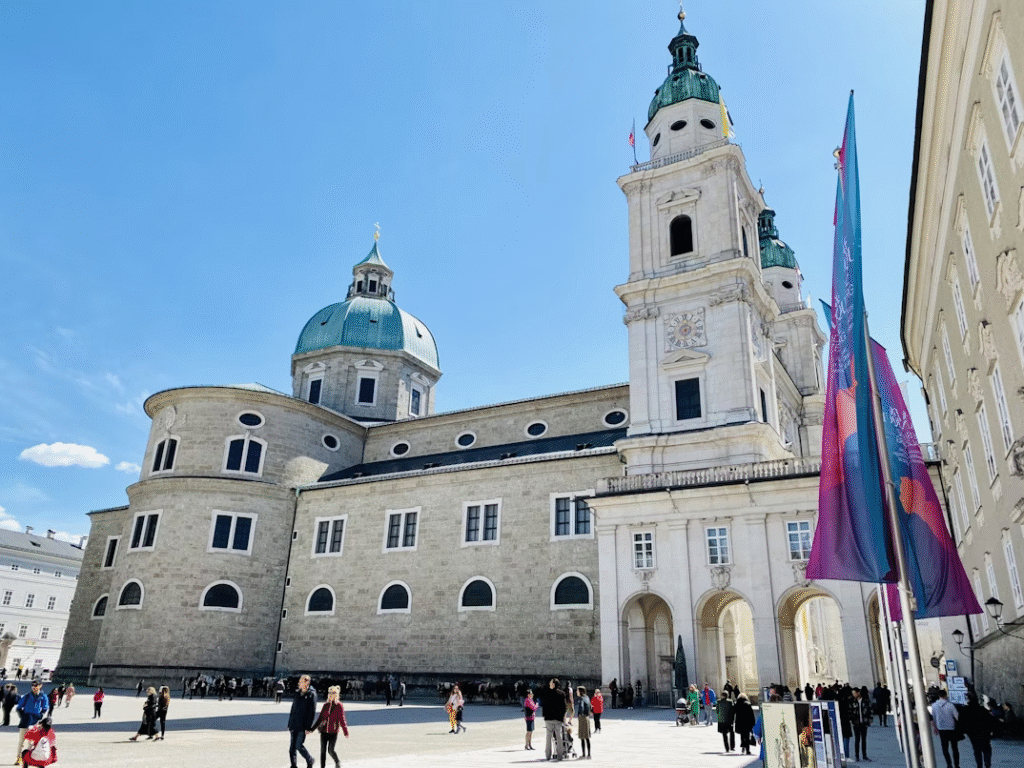
Next, we traveled to Salzburg, the birthplace of Mozart. Salzburg is a city where music and history are inseparable from its streets, architecture, and culture. Visiting the Mirabell Gardens and strolling along the Salzach River, one feels the rhythm of the city in every step. The Mozart House is a must-see, giving insights into the life of the musical genius. The Salzburg Cathedral, Old Town Hall, and cobblestoned streets of the historic center evoke a sense of timelessness.
An unforgettable experience was attending a short concert in a local hall, where classical compositions filled the room. The purity of the acoustics, combined with Salzburg’s architectural elegance, made me appreciate how deeply music is woven into the city’s soul.
Local cuisine here is a delight for the senses. I enjoyed Schnitzel, Salzburger Nockerl (a sweet soufflé dessert), and local apple strudels with cream. Coffee culture is rich, and sipping a cup while watching the bustling streets is a quintessential Salzburg experience.
Travel tip: Salzburg is compact, so plan your sightseeing on foot. Evening strolls along the river offer spectacular views of the illuminated Old Town.
Vienna, Austria – Imperial Grandeur and Cultural Riches
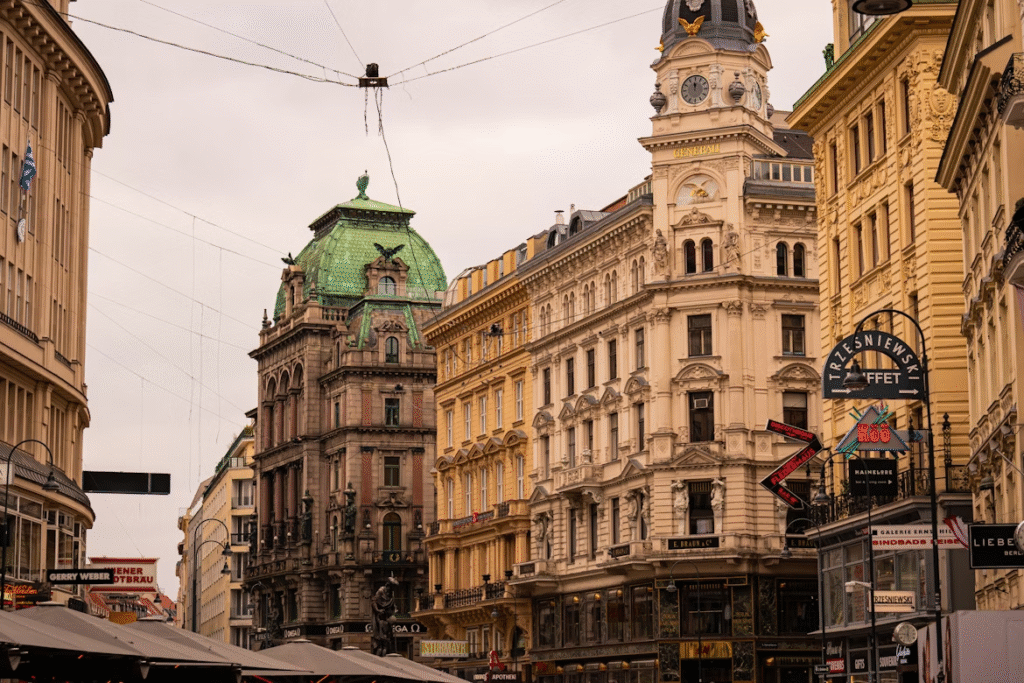
Vienna, the capital of Austria, is a city of regal elegance and cultural sophistication. St. Stephen’s Cathedral dominates the city skyline, while Stephansplatz is a hub of activity. The Ringstrasse, a grand boulevard circling the historic city center, is lined with imperial buildings, including the State Opera House, Parliament, and Hofburg Imperial Palace.
A highlight was visiting the Schönbrunn Palace, the former summer residence of the Habsburg rulers. Beyond its grandeur, the palace hosts the world’s first zoo, which is a delightful experience for both history buffs and families. The gardens are meticulously maintained, offering a peaceful retreat from the city’s hustle.
Vienna’s culinary scene is legendary. I savored Wiener Schnitzel, Sachertorte (chocolate cake), and sampling local wines and coffees in historic cafes felt like stepping back in time. The Viennese coffee culture, with its slow-paced charm, encourages conversations and reflection.
Travel tip: Purchase combined tickets for palace tours and zoo visits to save time. Evening concerts at historic venues are a must for music lovers.

Prague, Czech Republic – A Fairytale Come Alive
Prague, often described as a fairytale city, exceeded all expectations. An evening cruise on the Vltava River offered a spectacular view of the city’s illuminated skyline. The Prague Castle complex, including St. Vitus Cathedral and St. George Basilica, is immense and awe-inspiring. Walking across the Charles Bridge, adorned with statues of saints, felt like stepping into history. The Astronomical Clock and Old Town add to the city’s charm, where medieval architecture meets lively streets filled with cafes and shops.
Czech cuisine is hearty and satisfying. I enjoyed goulash, trdelník (sweet pastry), and sampled local beers, widely regarded as among the best in the world.
Travel tip: Early mornings are ideal for photography and avoiding crowds at the Charles Bridge and Old Town Square.

Cesky Krumlov and Karlo Vary, Czech Republic – Hidden Treasures
Cesky Krumlov is a city that captivates instantly. The castle overlooking the Vltava River, old-town lanes, and the Clock Bridge create a storybook setting. Each corner revealed charming details, from intricate facades to cozy cafes.
Karlo Vary, known as the Spa City, is another highlight. Founded in 1349, it offers healing hot springs amidst elegant architecture. Strolling along the colonnades while sipping mineral water is as rejuvenating as visiting a modern spa. The combination of history, culture, and wellness makes Karlo Vary a personal favorite.
Travel tip: Allocate at least a full day to each city to savor its charm fully. Don’t rush; part of the magic is discovered in slow, meandering walks.

Bratislava, Slovakia – Riverside Serenity
Bratislava, the capital of Slovakia, charms visitors with its scenic Danube River and 19th-century pedestrian-only Old Town. Quaint cafes and lively bars create a perfect blend of history and modernity. The city’s relaxed pace invites leisurely strolls and moments of reflection by the river.
Travel tip: Explore the Old Town on foot and enjoy local Slovak pastries and coffee in one of the many historic cafes.
Budapest, Hungary – Architectural Grandeur and History
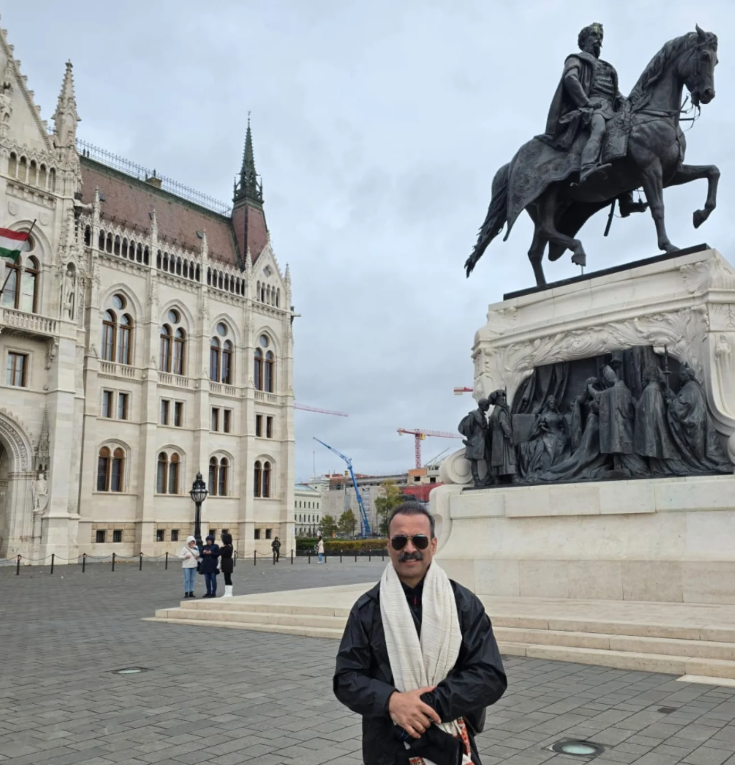
Finally, Budapest offered an unforgettable conclusion to the journey. The Hungarian Parliament building is majestic, while Buda Castle, Fisherman’s Bastion, and St. Stephen’s Basilica highlight the city’s rich history. Memento Park, Hero’s Square, and Liberty Square provide glimpses into Hungary’s complex past. Evening walks along the Danube, with the city illuminated, offer a magical experience.
Hungarian cuisine is robust and flavorful. I indulged in langos (fried bread with toppings), goulash, and local wines. Dining along the riverside, while watching the reflections of the bridges and castles, was a serene and memorable experience.
Reflections on the Journey
This journey across five countries was more than sightseeing; it was a lesson in history, culture, and the beauty of living in the moment. I deliberately refrained from excessive photography to fully absorb each experience. The Alpine landscapes of Hallstatt, the musical streets of Salzburg, Vienna’s imperial elegance, Prague’s medieval charm, and the riverside serenity of Bratislava and Budapest created memories that will last a lifetime.

Travel tips for future explorers:
- Travel by road whenever possible – the European landscapes are best enjoyed slowly.
- Embrace local cuisine – every city has flavors that tell its story.
- Walk through historic towns – streets reveal stories often missed from buses or cars.
- Respect local customs and timing – many European towns observe siestas or early closing hours.
- Immerse yourself in culture – attend local concerts, markets, and festivals whenever possible.
In conclusion, Europe is not just a destination; it is an experience that engages the senses, the mind, and the soul. From snow-dusted Alps to medieval castles, from bustling markets to serene riversides, this journey reminded me that the true essence of travel lies not in ticking off landmarks, but in living, observing, tasting, and feeling every moment.
As I reflect on the roads traveled, the cities explored, and the people met, I am reminded that travel transforms – it teaches patience, appreciation, and a profound sense of connection to the world around us. Europe, in all its diversity and splendor, leaves one richer in experiences and memories, a gift that remains long after the journey ends.




Parliament Paralysed for Second Day as Opposition Protests Over NEET Leak, Student Crackdown
New Delhi, July 2026 : Parliament remained deadlocked for the second consecutive day of th…

Parliament Paralysed for Second Day as Opposition Protests Over NEET Leak, Student Crackdown
New Delhi, July 2026 : Parliament remained deadlocked for the second consecutive day of …