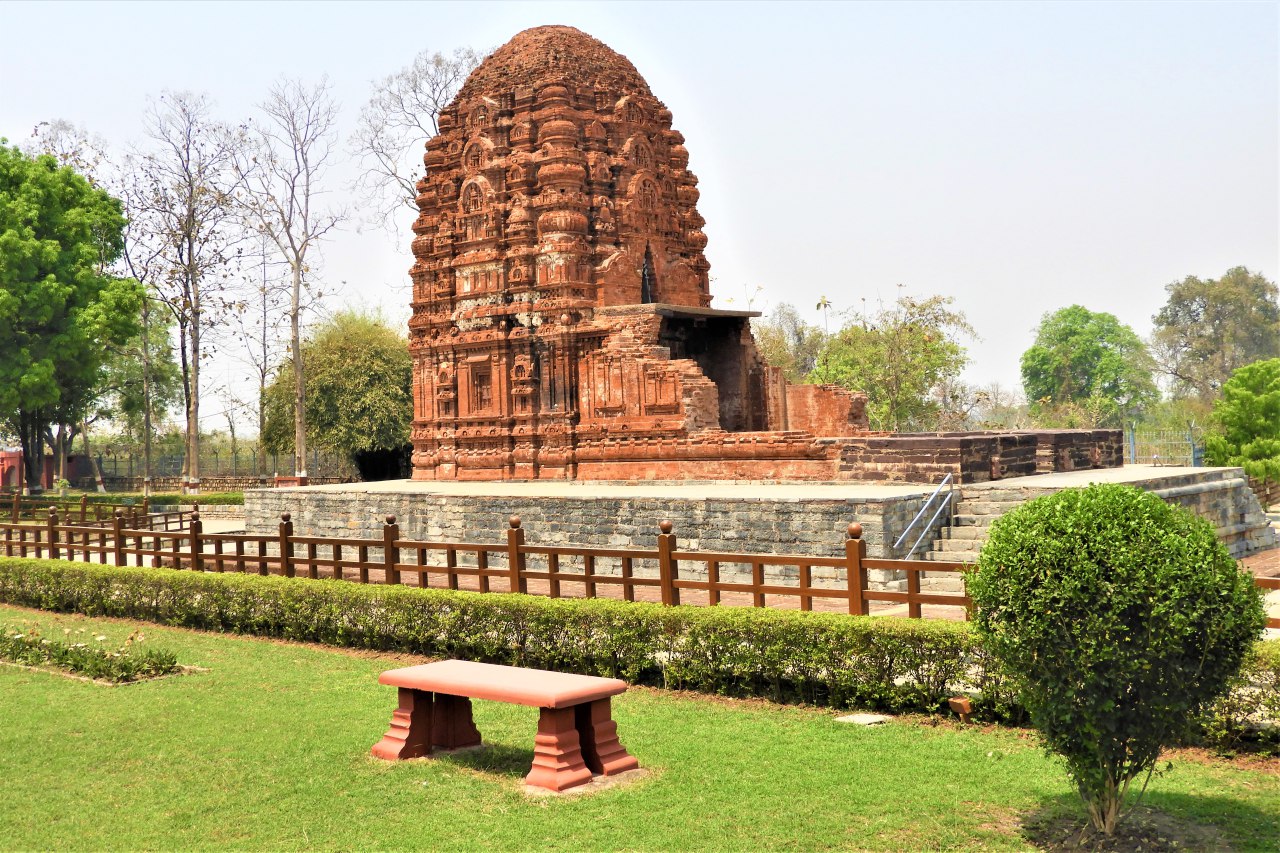
Sirpur: A Living Confluence of Faith, Art and History

Mahasamund, January 2026 : Sirpur stands as a vibrant confluence of faith, art and history, and the Sirpur Festival is not only an archaeological heritage of Chhattisgarh but of the entire nation. Rooted deeply in the state’s cultural identity, the tradition of festivals, fairs and madais has flourished in Chhattisgarh for centuries, with the Sirpur Mahotsav holding a special place among them. Celebrated annually on the sacred occasion of Maghi Purnima on the banks of the holy Mahanadi River, the festival will be organised in a grand manner this year from February 1 to February 3, 2026.
The festival begins at dawn on Maghi Purnima, when local villagers and devotees take a holy dip in the Mahanadi and offer prayers at the revered Gandheshwar Nath Mahadev Temple. For three consecutive days, the Mahanadi Sandhya Aarti is performed, a tradition that keeps Sirpur’s spiritual consciousness and cultural heritage alive. Over the years, the Sirpur Festival has emerged as a symbol of Chhattisgarh’s cultural identity, attracting artists from across India and abroad who present classical dance, music and theatre performances.
Keeping in mind the convenience of devotees and tourists, the district administration has made special transportation arrangements during the festival. Bus services will operate from Raipur to Kuhri Mod and from all block headquarters of the district to Sirpur at regular intervals, ensuring maximum participation in the cultural, religious and tourism-related activities of the festival.
The state government is fully committed to developing Sirpur as a national and international heritage destination. Under the leadership of Chief Minister Vishnu Deo Sai, a vision has been set to place Sirpur prominently on the global tourism map. As part of Vision 2047, the government is focused on developing modern infrastructure, roads, lighting systems and an international-standard tourist corridor. Advanced technologies are being adopted to conserve Sirpur’s archaeological structures. The temples, monasteries, sculptures and living traditions of Sirpur reflect India’s rich legacy of culture, tolerance, art and knowledge. Eco-trails, handicraft sales centres and local eateries are also being promoted to generate employment for the local community and boost tourism.
Located in Mahasamund district, Sirpur (ancient Shripur) is not merely an archaeological site but a living symbol of India’s cultural, religious and historical heritage. It once served as the capital of Mahashivgupta Balarjuna, the greatest ruler of the Panduvanshi dynasty of Dakshin Kosala, and is renowned for its architectural brilliance, Buddhist heritage and ancient temples.
Sirpur finds mention in ancient Indian texts and inscriptions. Archaeological remains of places of worship dedicated to Lord Shiva, Lord Vishnu, Buddha and Jain traditions have been discovered here. The 7th-century Chinese traveller Hiuen Tsang also referred to Sirpur in his travel accounts, underlining its international significance. The city stands as a remarkable example of religious tolerance and artistic excellence. Archaeological evidence points to the existence of 22 Shiva temples, five Vishnu temples, three Jain monasteries and a massive Buddhist monastery. The Archaeological Survey of India continues conservation and restoration work to preserve the site’s historical grandeur, while modern initiatives such as digital tours, QR code-based information systems and 3D guidance technologies are being introduced.
Sirpur represents a unique triveni (confluence) of Buddhist, Jain and Hindu architectural traditions. The Laxman Temple, India’s first temple constructed entirely of bricks, is an exceptional example of ancient architecture. The Anand Prabhu Kuti Vihar was a major centre for Buddhist monks, including those who travelled from China. The Gandheshwar Temple, dedicated to Lord Shiva, houses numerous sculptures and cultural motifs. The ruins of Sirpur were first discovered in 1872 by Alexander Cunningham, followed by extensive excavations that revealed rich evidence of Buddhist, Vishnu, Shiva and Jain traditions. Scholars from China, Japan and South Korea continue to regard Sirpur as one of Asia’s most significant centres of Buddhist heritage.





Japan And Vietnam To Jointly Develop Fast Landing Craft.
Tokyo; July 2026: The Japanese Defence Minister Shinjiro Koizumi in a post cabinet meeting…

Japan And Vietnam To Jointly Develop Fast Landing Craft.
Tokyo; July 2026: The Japanese Defence Minister Shinjiro Koizumi in a post cabinet meeting …