Fuel Switch Mystery Emerges in Air India Crash That Killed 260

Preliminary Report Reveals Engine Fuel Cutoff Moments Before Impact; Investigation Ongoing Amid Global Scrutiny.
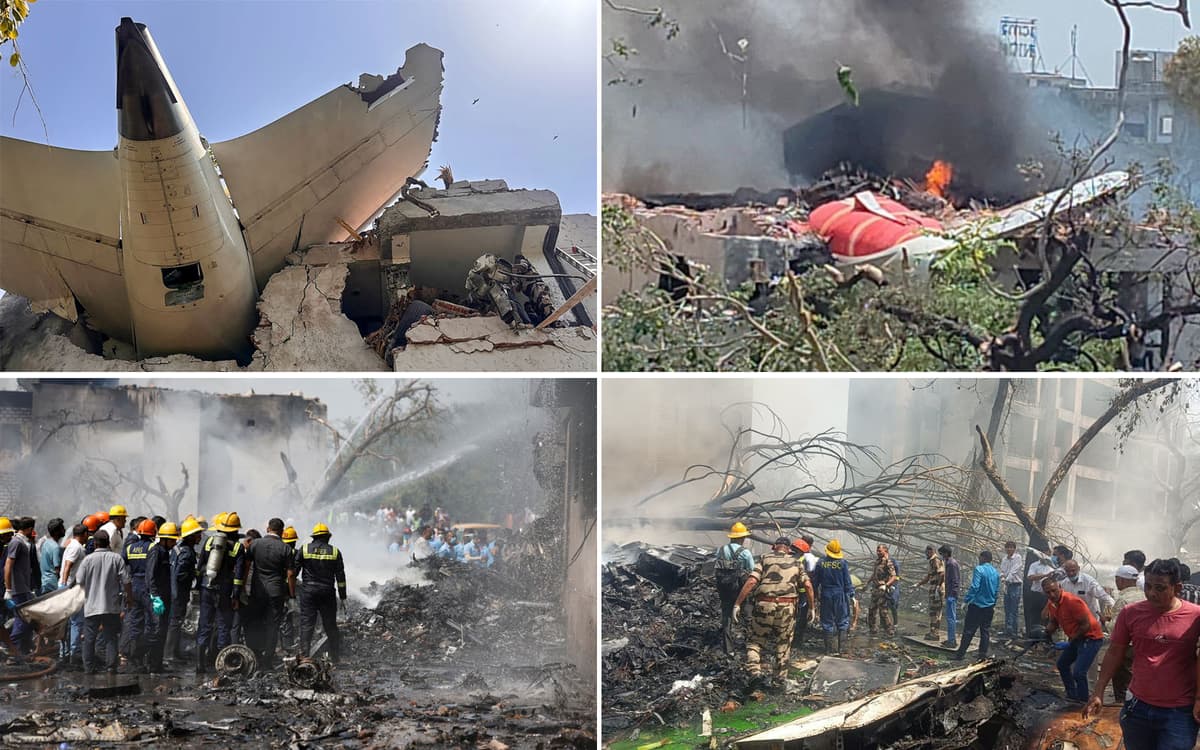
New Delhi : A preliminary investigation report released by India’s Aircraft Accident Investigation Bureau (AAIB) has revealed that the fuel control switches of an Air India Boeing 787-8 Dreamliner, which crashed shortly after takeoff on June 12, were inexplicably moved from “RUN” to “CUTOFF” moments before the aircraft went down, killing 260 people.
The report, issued early Saturday, details events that led to one of the country’s worst aviation disasters in recent years. While it refrains from assigning blame or drawing definitive conclusions, the document provides chilling cockpit voice recordings and technical data that point to a sudden and unexplained shutdown of both engines mid-flight.
The flight had departed from Ahmedabad in western India en route to London, carrying 230 passengers and 12 crew members. Tragically, only one passenger survived the crash, while 19 people on the ground also lost their lives. The lone survivor, a British national, walked out of the wreckage and has since been discharged from hospital.
According to the 15-page report, once the aircraft reached its maximum recorded speed, “the Engine 1 and Engine 2 fuel cutoff switches transitioned from RUN to CUTOFF position one after another with a time gap of one second.” This was immediately followed by a sharp descent.
The cockpit voice recorder captured a moment of confusion between the pilots. One pilot is heard asking the other why the fuel was cut off, to which the second pilot reportedly responded, “I did not do so.” The switches were then moved back to the “RUN” position, and engine power appeared to be returning. However, it was too late. A distress call — “MAYDAY, MAYDAY, MAYDAY” — was sent just before the aircraft crashed.
Air traffic controllers attempted to communicate further with the pilots, but within seconds, the plane was seen plummeting and emergency responders were dispatched.
Although the cause of the fuel switch movement remains unknown, the report points to a 2018 information bulletin issued by the U.S. Federal Aviation Administration (FAA), which had warned of a “potential disengagement of the fuel control switch locking feature.” While the FAA did not classify the issue as an unsafe condition requiring mandatory action, it recommended inspections. Air India admitted that it did not perform these checks, calling them “advisory and not mandatory.”
Despite this, the AAIB report emphasized that Air India was in compliance with all required airworthiness directives and service bulletins. The agency also noted that there were currently no recommended actions for Boeing 787-8 operators or for the GEnx-1B engines manufactured by General Electric, implying no evident technical fault.
The investigation, conducted in coordination with experts from the U.S. and the U.K., remains active. The AAIB has requested further evidence from all involved stakeholders, and Boeing has stated it will continue supporting the investigation. “Our thoughts remain with those affected by the tragedy,” the company said in a statement.
The crash drew immediate global attention due to the aircraft’s international passenger list, which included 169 Indians, 53 British nationals, seven Portuguese, and one Canadian. Dozens more were injured on the ground when the plane struck a populated area shortly after takeoff.
Initially, health officials in Gujarat had put the death toll at 279. However, forensic analysis, including DNA testing of scattered and charred remains, has revised the final confirmed death count to 260.
As per international protocols, including those set by the UN’s International Civil Aviation Organization (ICAO), a preliminary report must be submitted within 30 days of any major crash. Full analysis and conclusive findings, however, may take months — or even longer. The investigators have not ruled out the possibility of shifting the focus of the inquiry as more evidence emerges.






PM Modi Receives Grand Welcome in Jakarta as Indonesia Visit Begins with Special Honours
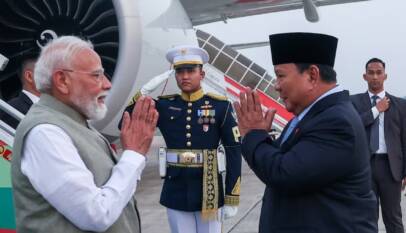
Jakarta, July 2026: Prime Minister Narendra Modi arrived in Jakarta on Monday afternoon on…
PM Modi Receives Grand Welcome in Jakarta as Indonesia Visit Begins with Special Honours
Jakarta, July 2026: Prime Minister Narendra Modi arrived in Jakarta on Monday afternoon on …