Oil Prices increase by 1% after Trump affirms India promised to stop buying from Russia.

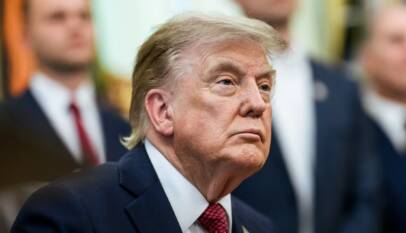
Oil prices rose around 1% today (16th October, 2025) after US President Donald Trump has affirmed that Indian Prime Minister Narendra Modi had pledged his country would stop buying oil from Russia, a move that could drain supply elsewhere.
Brent crude futures rose 54 cents, or 0.87%, to $62.45 a barrel by 04:30 GMT; US West Texas Intermediate (WTI) futures climbed 57 cents, or 0.98%, to $58.84.
Both contracts touched their lowest since early May in the previous session on US-China trade tensions and after the International Energy Agency warned of a big surplus next year as OPEC+ producers and rivals lift output amid weak demand.
Trump said on Wednesday (15th October) that India, which taps its top supplier Russia for about one-third of its oil imports, would halt oil purchases from Russia, and the US would next try to get China to do the same as Washington intensifies efforts to cut off Moscow’s energy revenues and pressure it to negotiate a peace deal in Ukraine. The Indian embassy in Washington did not immediately respond to emailed questions about whether Modi had made such a commitment to Trump.
Meanwhile, some Indian refiners are preparing to cut Russian oil imports, with expectations of a gradual reduction, official sources have informed Reporters. Earlier in September, 2025, Indian majors namely Indian Oil, along with Hindusthan Petroleum has started procuring from Nigerian Oil Giant Dangote.
US Treasury Secretary Scott Bessent also said on Wednesday that he told Japanese Finance Minister Katsunobu Kato that the Trump administration expects Japan to stop importing Russian energy.
India and China are the two top buyers of Russian seaborne crude exports, which are sanctioned by the US and European Union. For months, Modi resisted US pressure to stop buying Russian oil, with Indian officials defending the purchases as vital to national energy security. “At the margin, this is a positive development for the crude oil price as it would remove a big buyer like India of Russian oil“, said Tony Sycamore, a market analyst at IG.
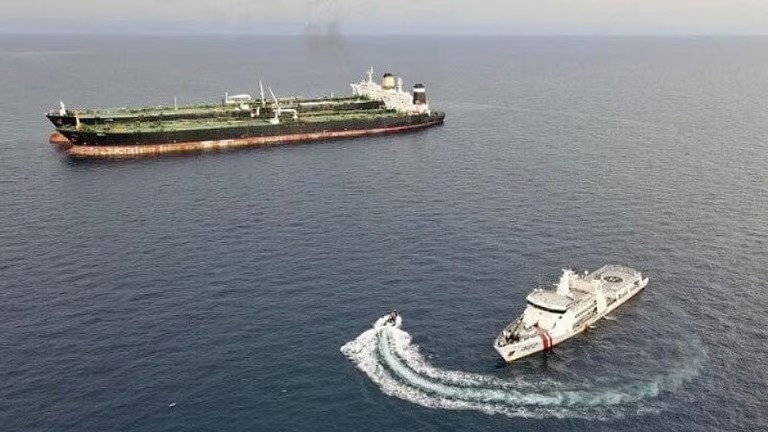
The UK government also announced new sanctions on Wednesday, directly targeting Russia’s Rosneft and Lukoil, two of the world’s biggest energy companies. The sanctioned entities include four oil terminals, the private refiner Shandong Yulong Petrochemical in China, 44 tankers in the “shadow fleet” transporting Russian oil, and Nayara Energy Limited, a Russian-owned refinery in India.
Investors will be watching for the weekly US inventory statistics release from the US Energy Information Administration (EIA) after mixed data from the American Petroleum Institute (API) trade group. US crude and gasoline stocks rose while distillate inventories fell last week, market sources said, citing API figures on Wednesday.
Crude stocks rose by 7.36 million barrels in the week ended October 10 and gasoline inventories increased by 2.99 million barrels, while distillate inventories fell by 4.79 million barrels from a week earlier, the sources said.
While lower distillate inventories point to stronger demand for diesel, a buildup in crude oil and gasoline stocks suggests demand in the US, the world’s top oil consumer, remains sluggish. Analysts forecast that US crude stockpiles rose by about 0.3 million barrels last week.
Meanwhile, Britain on Wednesday targeted Russia’s two largest oil companies, Lukoil and Rosneft, and 51 shadow fleet tankers in what it described as a new bid to tighten energy sanctions and choke off Kremlin revenues. Lukoil and Rosneft were designated under the UK’s Russia sanctions laws for what Britain described as its role in supporting the Russian government. They are subject to an asset freeze, director disqualification, transport restrictions, and a ban on UK trust services. The two companies are considered strategically significant to the Kremlin, the government said, adding that their activities are of economic importance to Russia, contributing to state revenues that help sustain its war in Ukraine.
“We are introducing targeted sanctions against the two biggest oil companies in Russia, Lukoil and Rosneft“, Britain’s Finance Minister Rachel Reeves told reporters while on a trip in the United States. “At the same time, we are ramping up pressure on companies in third countries, including India and China, that continue to facilitate getting Russia oil onto global markets“. Reeves said there was “no place for Russia in global markets” and that Britain would take all necessary steps to stop Moscow from funding its war in Ukraine.
The new sanctions target 51 ships, including 44 within the shadow fleet, as well as individuals and entities across sectors including energy and defence. Last month, US Treasury Secretary Scott Bessent said the US would be willing to work with European countries to consider steeper sanctions on Russian entities, including Rosneft and Lukoil.
Rosneft is Russia’s leading oil producer, accounting for around 40% of the country’s total output, and Lukoil the second-biggest and with the largest foreign exposure among its domestic peers. The shadow fleet has increasingly been the target of sanctions from Britain, the US and the European Union since Russia’s invasion of Ukraine in February 2022. It is a network of older tankers that officials say are used to avoid sanctions on Russian oil.
Team Maverick.





Union Ayush Minister Shri Prataprao Jadhav Recommends Arjuna Award for Mirabai Chanu
Jadhav Writes to Union Sports Minister, recognising Chanu’s remarkable sporting achievemen…

Union Ayush Minister Shri Prataprao Jadhav Recommends Arjuna Award for Mirabai Chanu
Jadhav Writes to Union Sports Minister, recognising Chanu’s remarkable sporting achievements Union Minister of …